These outfits run from a single tailored blazer paired with pieces you already own to a full cardigan-and-dress layering system, and the one that belongs in your closet depends on how formal your office reads on an average Tuesday.
1. Business Casual Outfits
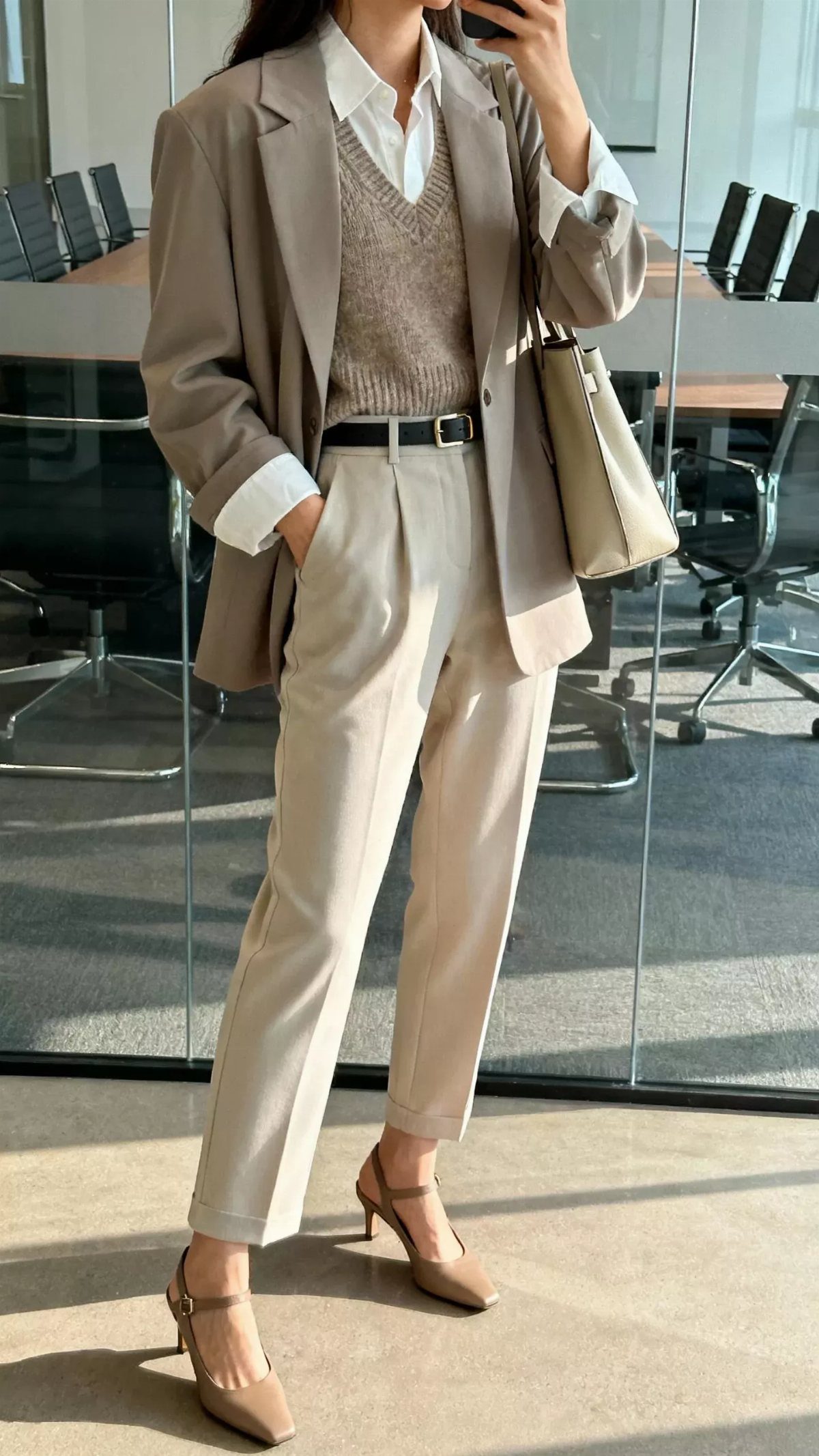
A business casual outfit is the safest bet for most American offices right now: tailored trousers, a knit vest layered over a collared shirt, and a structured blazer in beige or cream.
I like this combination because each piece works all week without looking like a uniform.
The vest adds warmth without the bulk of a sweater, and the blazer pulls it together for client meetings.
Stick to neutral tones so you can swap the vest for a blouse or the trousers for a skirt without buying new pieces. A leather belt and structured tote finish it without fuss.
2. Wide-Leg Trousers
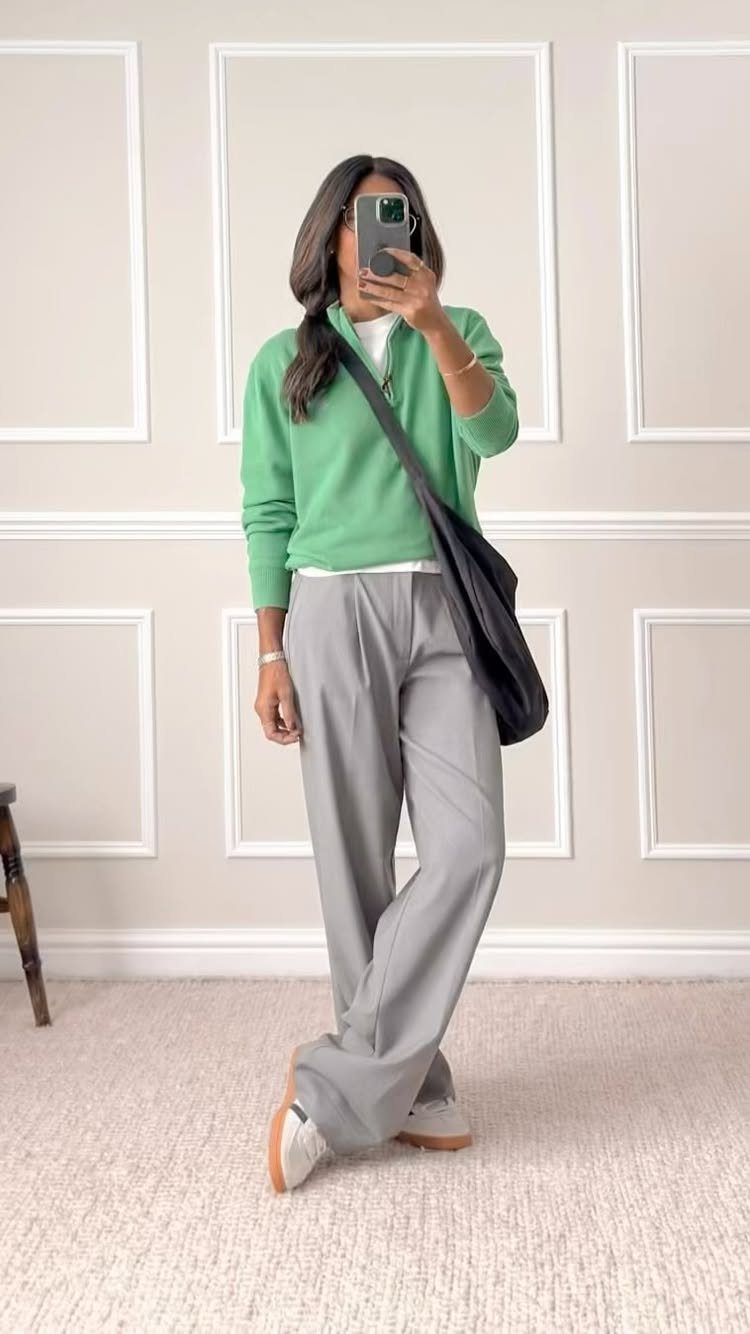
Wide-leg trousers give you room to move while still reading as intentional. High-waisted grey pleated trousers that fall straight to the ankle lengthen the leg even with flat sneakers underneath.
Balance is the only trick here. A fitted top or cropped jacket keeps the silhouette from overwhelming a smaller frame.
For a more formal day, tuck in a sleeveless black turtleneck and add a thin gold-buckle belt. The trousers do the statement work; everything else stays quiet.
3. Tailored Blazers
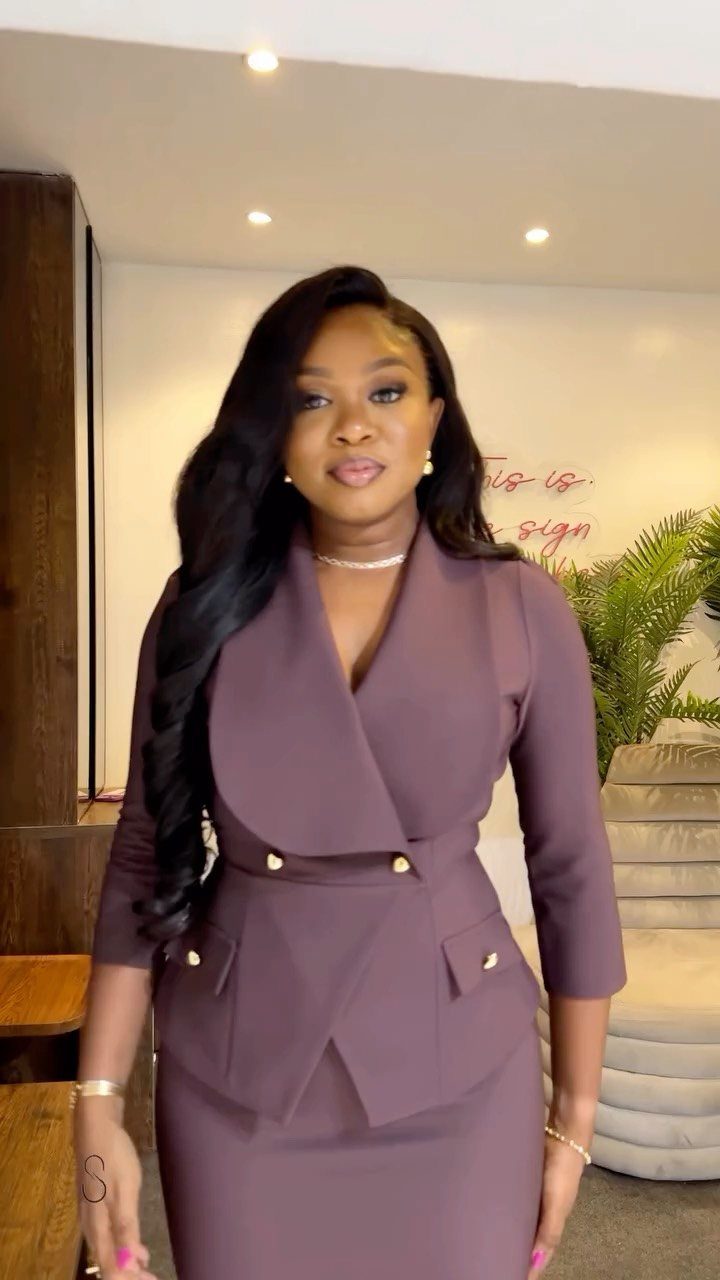
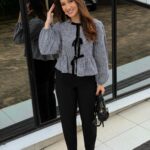
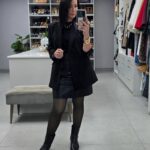
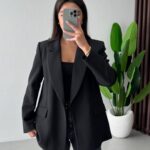
A tailored blazer is the piece I reach for when I need to look like I tried harder than I did. Matching sets have come back, but a single blazer in navy or black will carry you further.
Gold buttons read traditional; concealed closures read modern. A blush version works for spring events, though I would choose black or navy for daily wear.
Pair it with the matching skirt, with trousers, or thrown over a simple dress. The shoulders should end at your natural shoulder line; anything wider looks borrowed.
4. Pencil Skirts
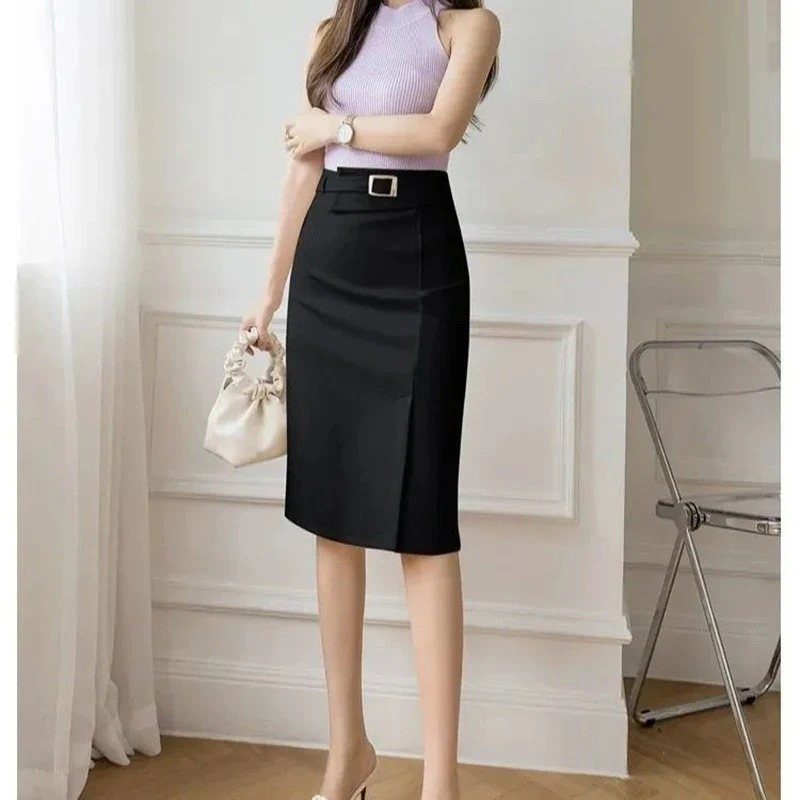
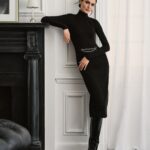
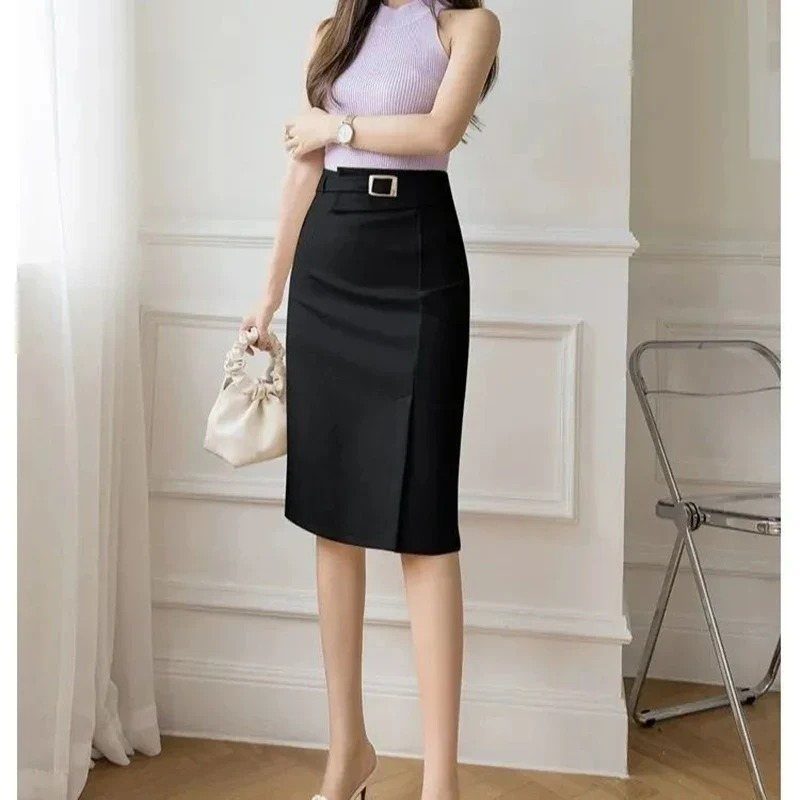
A knee-length pencil skirt works for law, finance, or any setting where you need to err conservative.
A sleeveless high-neck top keeps the line clean; add a blazer for coverage.
Satin or textured fabrics read evening, so choose wool crepe or a structured knit for day. This shape rewards good posture and a tucked-in top; it does not forgive a bulky sweater or a half-tucked blouse.
5. Neutral Color Palette
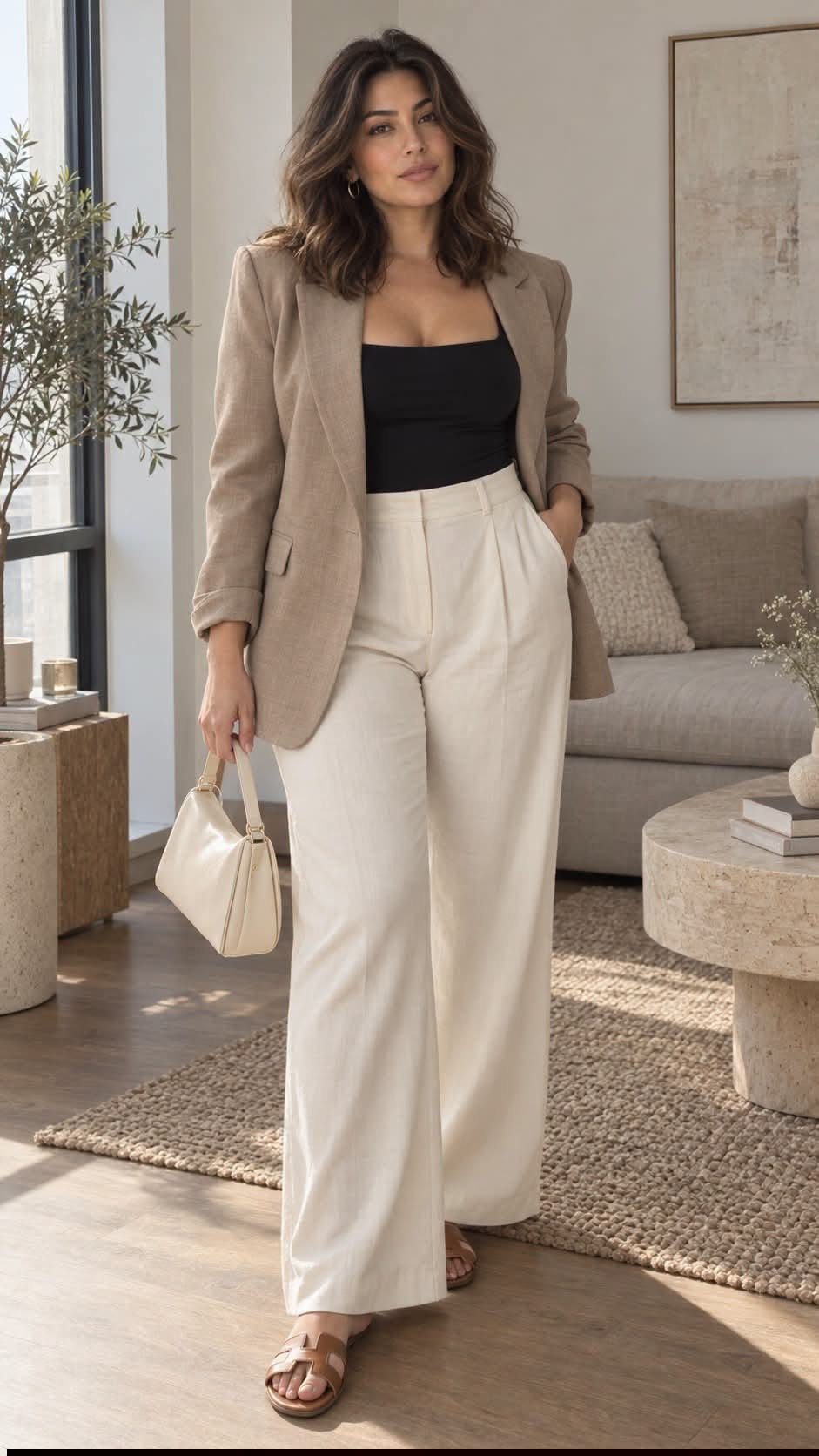
Beige, cream, and taupe do the mixing work for you. A tan blazer with cream wide-leg trousers and a black top keeps contrast gentle enough that nothing competes.
I build most of my work wardrobe from these tones because they layer without clashing and they read as expensive even at moderate prices.
A white button-down and burgundy trousers break the rule successfully, but that takes more confidence in color than I usually have before coffee.
Start with three neutrals that share the same undertone, warm or cool, and add one accent if you want it.
6. Cardigans Over Dresses
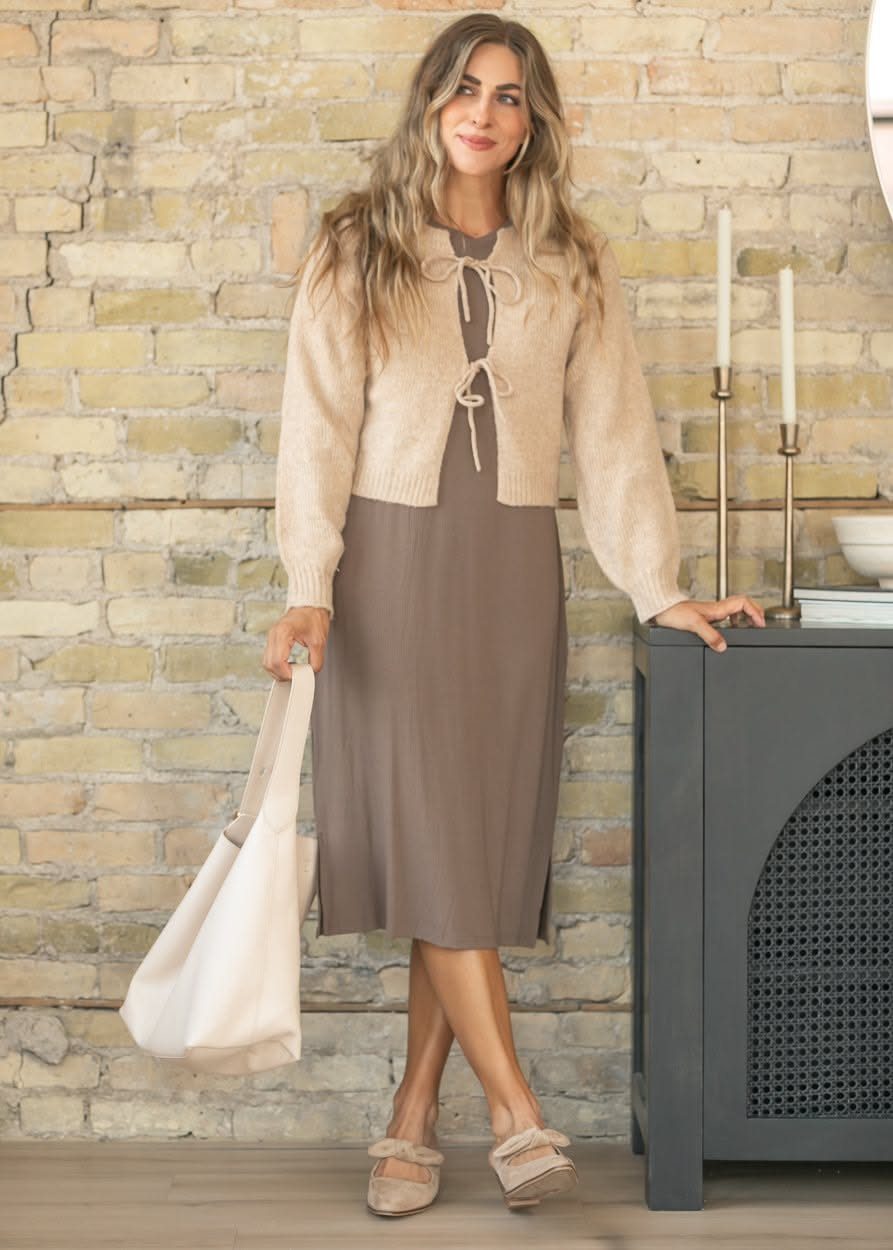
A lightweight cardigan over a dress solves the office temperature problem without the formality of a blazer. A tie-front cardigan softens a taupe midi dress underneath and adds texture without weight.
Choose a cardigan that hits at the waist or hip, not mid-thigh; long layers shorten the leg. A navy cardigan over a floral blouse with beige trousers is another version I have worn often.
Stripes under solid knits also work. Avoid anything too chunky or fuzzy; it reads weekend, not work.
7. Loafers for Work
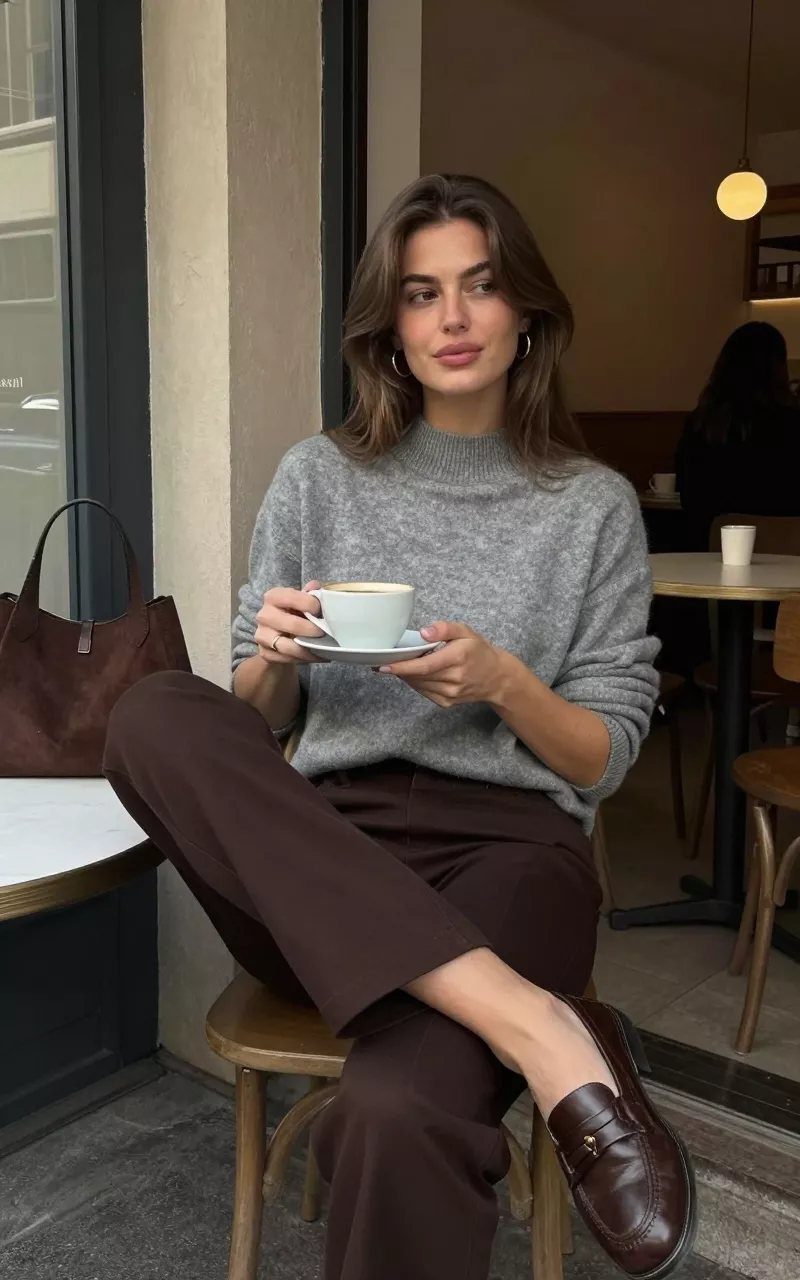
Loafers bridge the gap between a ballet flat and an ankle boot without the break-in period of either. A brown leather pair with gold hardware warms up grey or olive trousers the way black pumps never quite manage.
I prefer a structured loafer to a soft driving moccasin for the office; the firmer sole and defined heel keep the look intentional rather than errand-day.
A low block heel gives enough lift for long meetings without the wobble of a stiletto. Polish them every few weeks; scuffed leather reads careless faster than any other shoe damage.
For wet commutes, keep a pair at your desk and wear boots in transit.
8. Knits and Silks Outfits
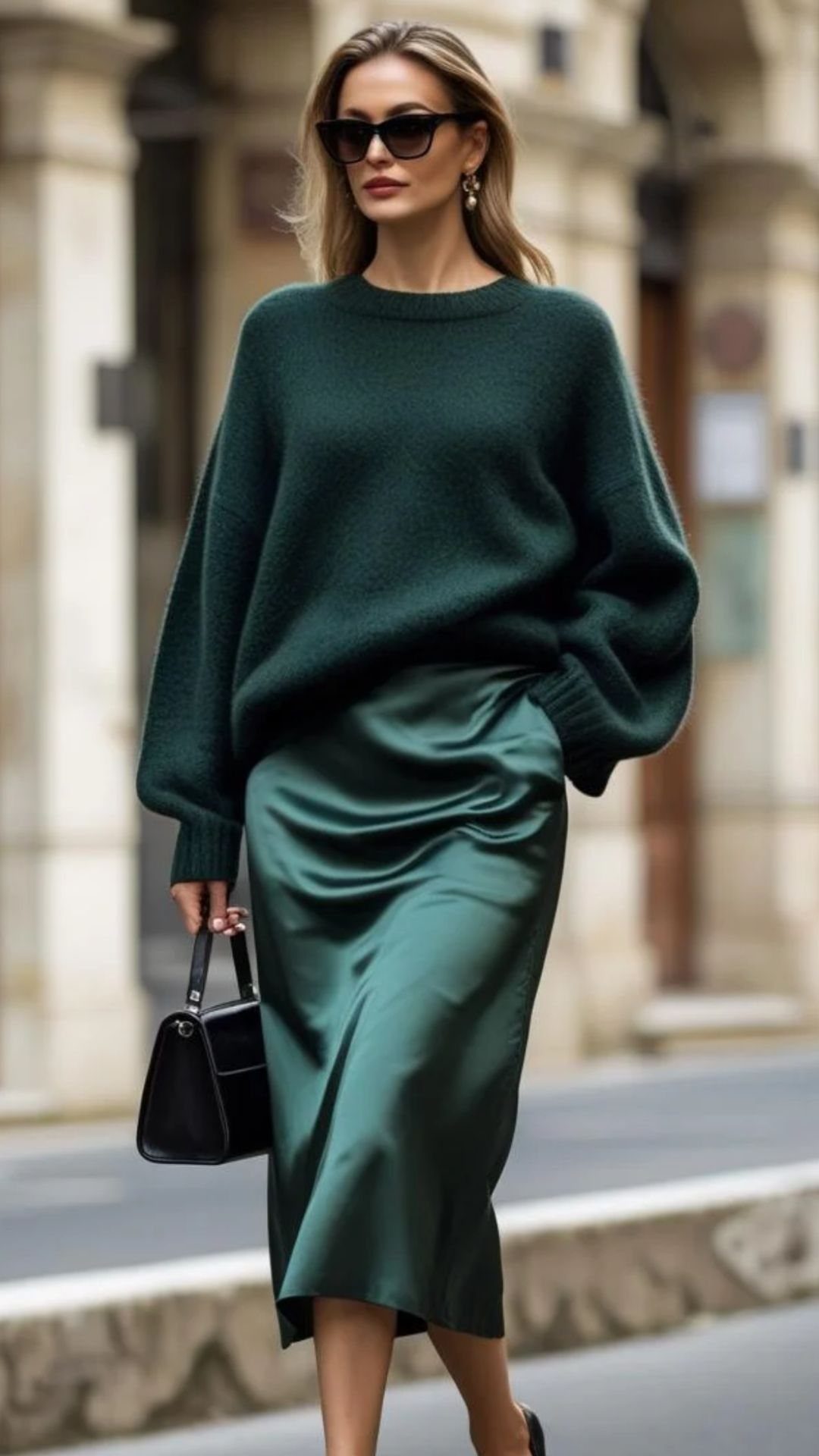
Pairing a heavy knit with a fluid silk skirt creates tension that reads as thought-out rather than thrown-together.
Pair an oversized knit with a skirt that matches in tone but contrasts in weight and shine; the mix of textures keeps the outfit from going flat.
This combination works because the knit provides coverage and warmth while the silk keeps the lower half from looking bulky.
I would tuck or half-tuck the sweater to define the waist; an untucked boxy knit can swallow a smaller frame. A thin belt at the hip works if the sweater is cropped enough to allow it.
Stick to one color family so the texture contrast does the work, not the palette.
9. Fall Outfits for Work
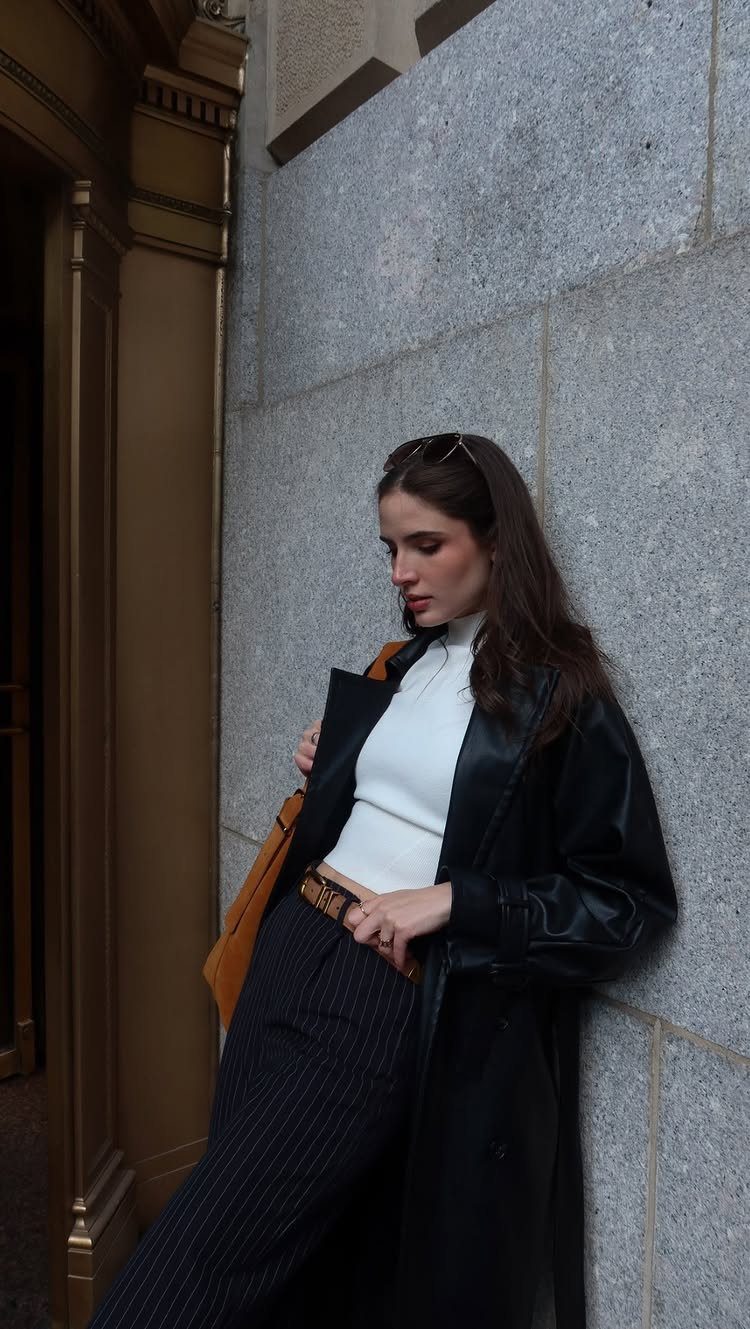
A leather trench over a white mock-neck and pinstriped trousers is the kind of layering that handles a wide temperature swing between a cold morning commute and an overheated conference room.
The coat does the visual heavy lifting; everything underneath stays simple and interchangeable.
For autumn, I build around 3 outerwear weights: a blazer for mild days, a leather trench for wind, and a wool coat for real cold.
Each layer needs to look finished on its own since offices run hot and you will shed the top piece soon after arriving.
Warm tones like burgundy, camel, and olive read seasonal without veering into costume; a brown plaid blazer with black underneath is another version I return to each year.
10. Dresses for Work
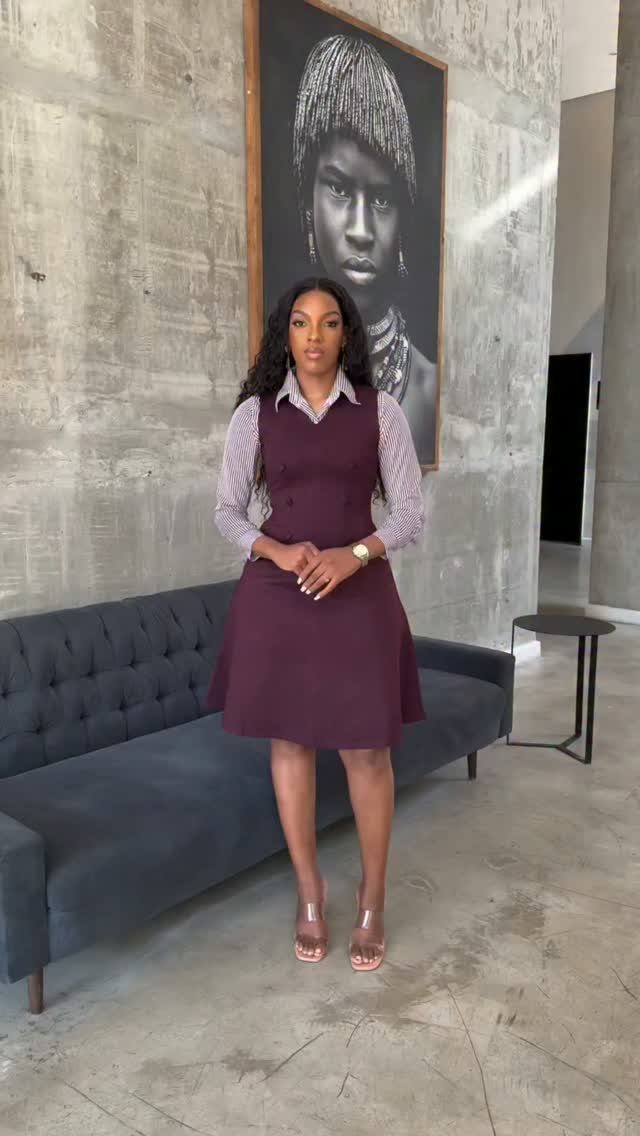
A pinafore or sleeveless dress layered over a collared shirt gives you 2 pieces that each work separately, which stretches a wardrobe further than any single garment can.
Layer a dress over a striped blouse; the combination reads as one outfit but functions as three separate pieces you can rotate.
Tailored dresses with defined waists suit most office dress codes without the fuss of separates. A wrap dress is more forgiving of weight fluctuation; a sheath demands precise fit through the hips.
A closed-toe pump or loafer keeps the look grounded and office-appropriate; save trend-forward shoes for occasions where they will not compete with the rest of your wardrobe investment.
I would swap them for nude leather and wear the same outfit season after season without wincing.
Tips for Choosing Outfits
Comfort, fit, and workplace appropriateness are the 3 filters I run every piece through before it hangs in my closet. No item passes on two out of three.
Comfort means you can sit through a long meeting without adjusting a waistband.
Fit means the garment follows your actual shape, not the one on the model; shoulders end at shoulders, sleeves reveal a half-inch of wrist, trousers break cleanly at the shoe.
Appropriateness depends on your office, but the test is simple: would you feel at ease if your manager walked in unannounced?
Style and professionalism balance when each outfit contains one relaxed piece and one structured piece. A soft knit needs tailored trousers.
A fluid skirt needs a defined jacket. One soft piece balanced with one structured piece usually works best; two soft pieces can read sloppy, but a blazer with matching tailored trousers is the exception that actually looks polished.
The beige blazer with blue jeans from my own rotation works because the blazer does the professional lifting while the jeans provide the ease.
Accessorizing Work Outfits
Minimal jewelry means one metal at a time, and not much of it. A thin gold chain or small hoop earrings do the work; stacked bracelets or statement necklaces compete with a work outfit rather than finishing it.
A structured bag carries the same weight as the shoes in signaling intention. Soft totes slouch and lose their shape by noon; a bag with defined corners holds its architecture through a full day.
The tan leather shoulder bag I rely on cost more than my first 3 bags combined, but it has outlasted all of them by years. Color matters less than structure, though brown leather warms neutral outfits the way black cannot.
A leather belt in a matching tone pulls separates into one deliberate look.
I keep one brown and one black, each in a width that works with most belt loops. Anything wider reads casual; anything thinner struggles to stay in belt loops.
Color Coordination
A cohesive palette means every new piece must earn its place against what you already own.
I test this by laying the item on my bed beside 3 existing separates. If it fails twice, it stays in the store.
Neutrals do the compatibility work so you do not have to.
The warm or cool undertone matters more than the color itself. My own undertone runs warm, so a cool grey fights everything else I own while a warm olive fits without thought.
One accent color, used sparingly, keeps the palette from feeling timid. Burgundy trousers against a white shirt and black blazer works because the supporting pieces are quiet enough to let the trousers speak.
Two accents in one outfit compete; one is the limit. If you are uncertain, start with no accent at all and add it only when the neutral base feels finished on its own.
Frequently Asked Questions
What is the best attire for women to wear to work?
Business casual outfits are the safest bet for most American offices right now: tailored trousers, a knit vest layered over a collared shirt, and a structured blazer in beige or cream.
Every piece needs to earn its hanger space by pairing with at least 3 other items you already own. Professionalism and comfort both matter, and neutral tones let you rotate pieces without another shopping trip.
What makes a woman look wealthy?
Tailored clothing, quality fabrics, and a polished appearance do the heavy lifting. Beige, cream, and taupe read expensive even at moderate prices because they blend so easily into one unified look.
Shoulders ending right at your natural shoulder line, sleeves showing a half-inch of wrist, and trousers breaking cleanly at the shoe do more for your look than any price tag.