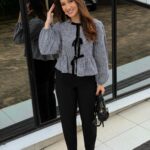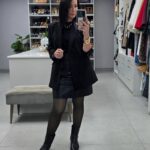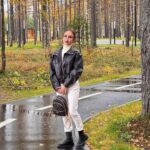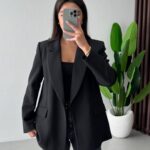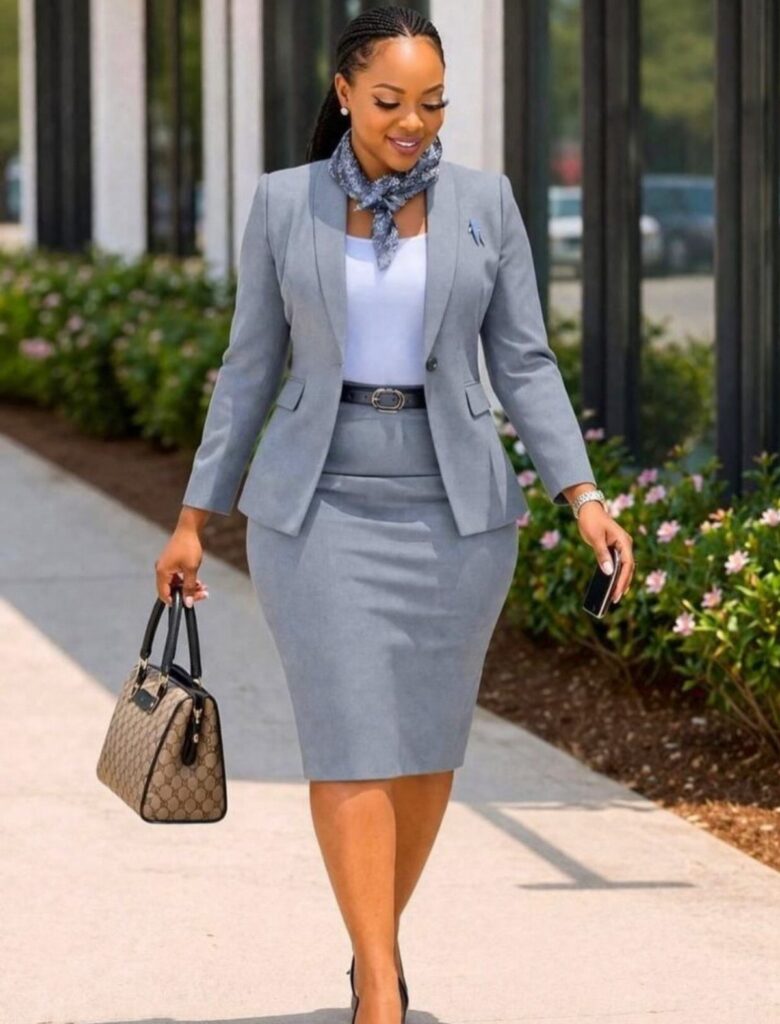
These 9 interview outfit ideas span from a full tailored pantsuit to a belted blazer with pleated skirt, and the right one depends on which field’s door you’re walking through.
A skirt suit with its knee-length hem reads formal for law and finance, while a black turtleneck under an overcoat does the same work for creative roles.
A blouse-and-skirt combination works for interviews if the buttons are secure enough to stay put when you raise your arm, which is something I now check before I buy.
1. Pantsuit
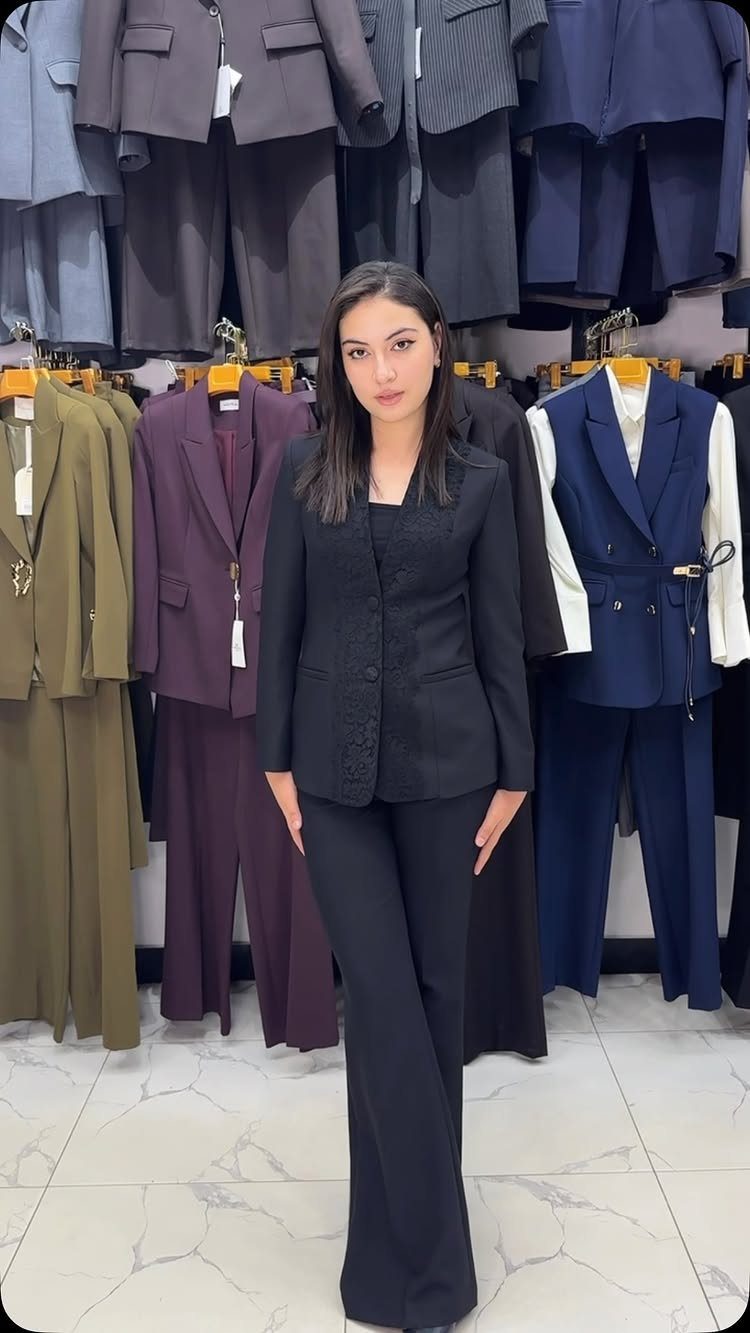
A matching jacket and trousers in navy or charcoal reads as one continuous line, which is why hiring managers remember the person before the outfit.
I would pick a slightly wider leg over slim; it moves better when you walk into a room and does not fight with winter tights.
Fit matters more than fabric price. Shoulder seams should end at your shoulder bone, jacket sleeves should show a little of your blouse cuff, and trouser hems should break once on your shoe.
If you buy off the rack, plan on tailoring; taking in a waist or shortening sleeves makes the piece look like it was made for you.
2. Skirt Suit
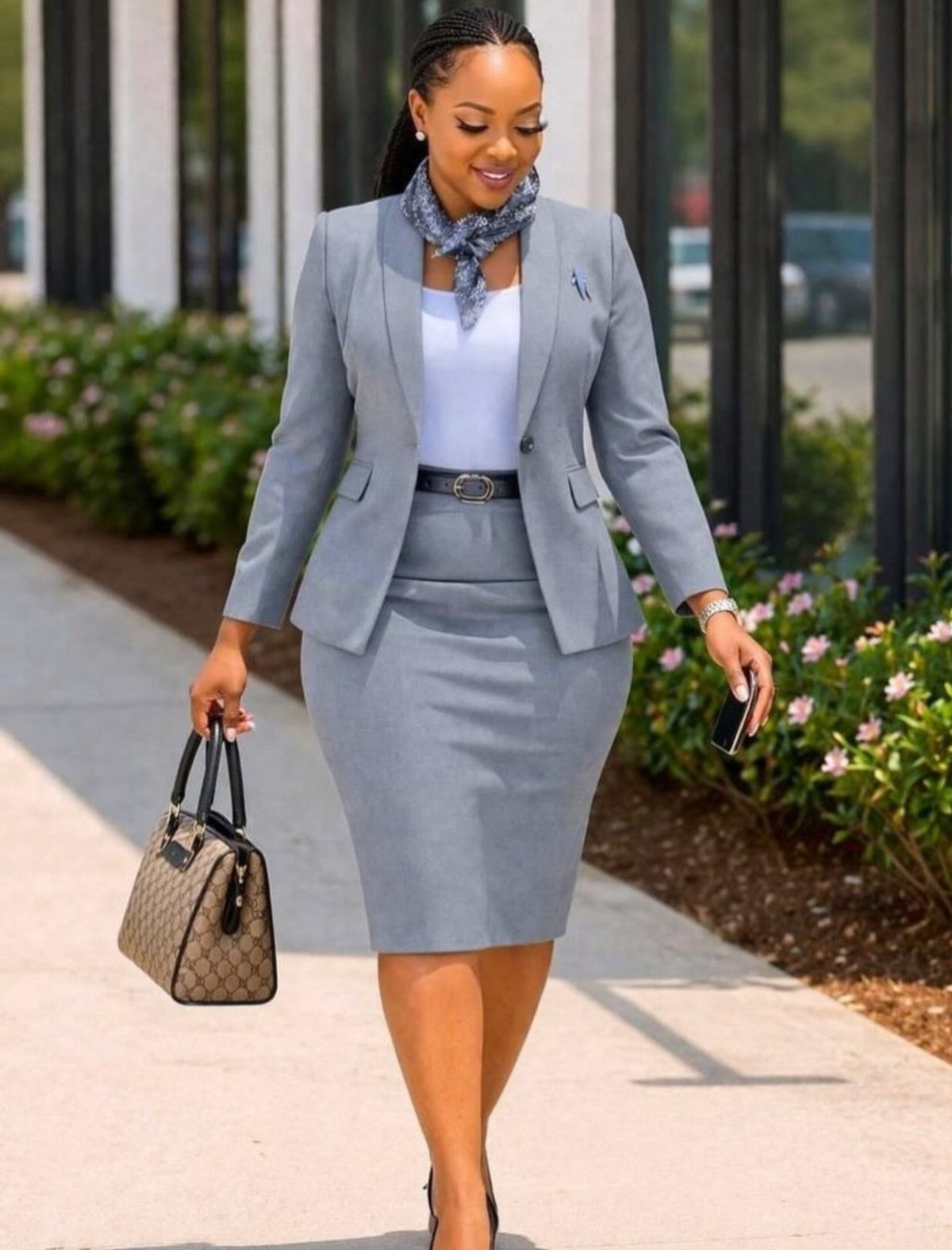
The skirt suit still carries more formal weight in law, finance, and anywhere the senior staff are older.
A knee-length pencil skirt with a matching blazer in grey, navy, or black is the standard; the white shell underneath is where you control temperature in an overheated conference room.
I find this harder to get right than a pantsuit because skirt length and heel height interact.
The hem should hit at or just below the knee whether you are standing or seated, which means testing it in a chair before you commit.
Hosiery is expected in conservative fields; bare legs read as casual in most East Coast offices.
3. Blouse and Skirt
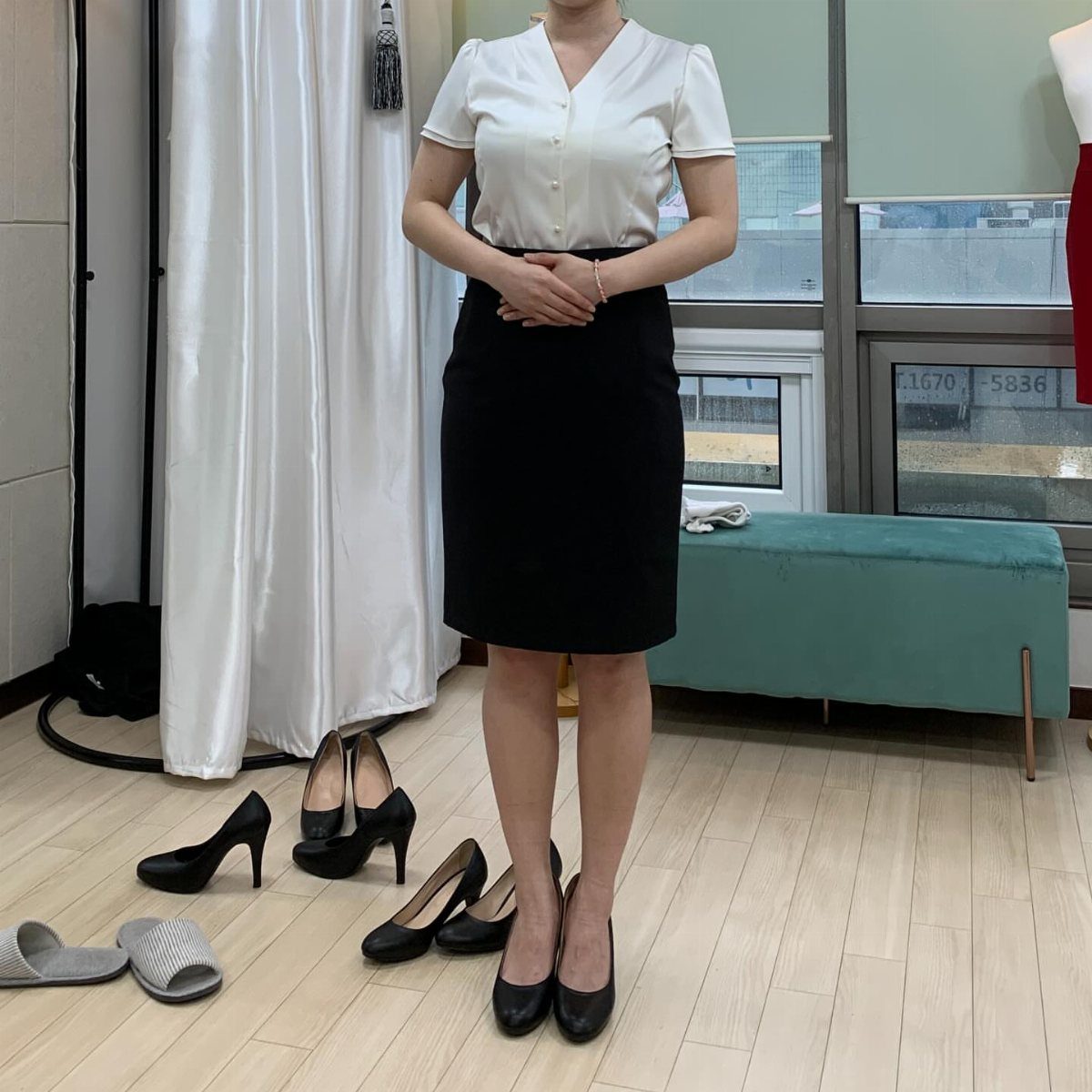
Separates let you use what you already own: a silk or crepe blouse in white, cream, or soft blue, tucked into a black or navy pencil skirt that hits the knee.
This is the outfit I wore to my own first serious interview, mostly because I could not afford a full suit yet and needed to look intentional anyway.
The blouse must stay put. I learned to check arm raise, seated lean, and wind from a hallway vent; gaping buttons or a hem that untucks are what the interviewer notices, not the label.
A camisole underneath solves most transparency problems and buys you one less thing to worry about.
4. Neutral Makeup
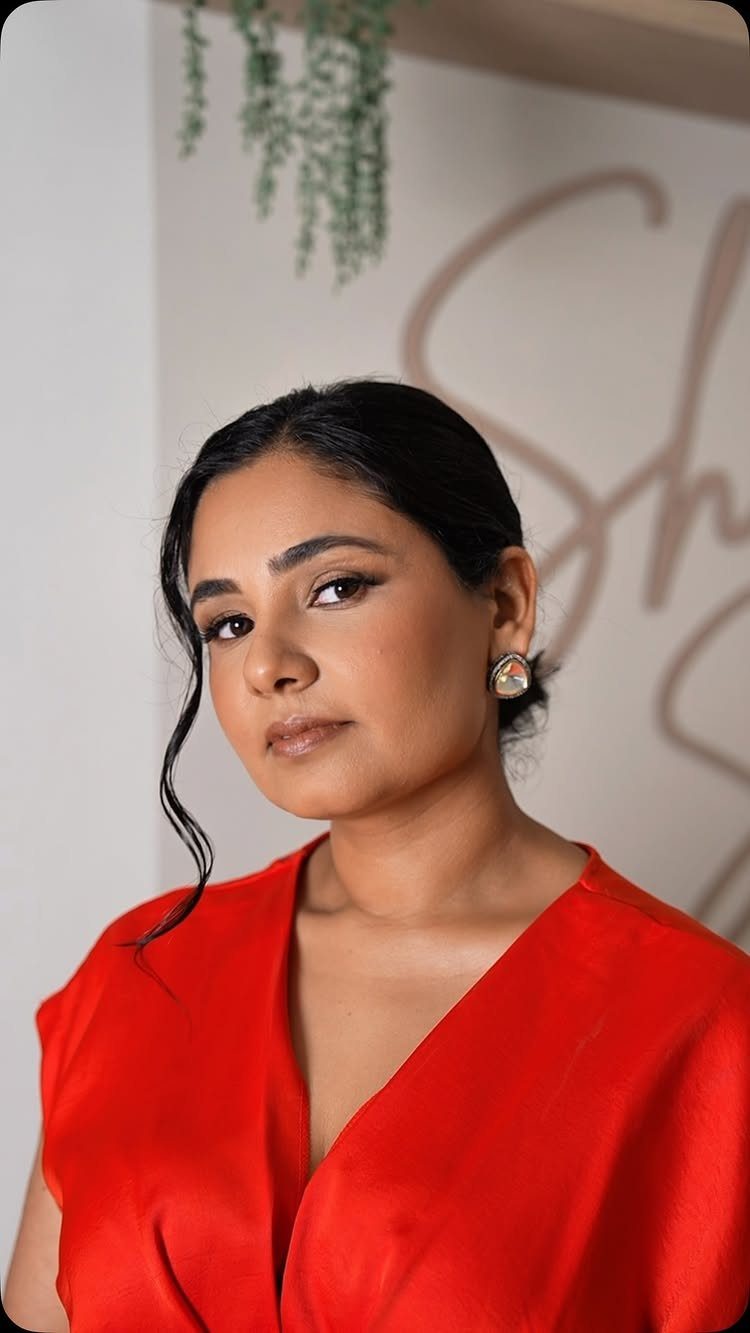
Neutral makeup is the one detail you control completely, and it is where nerves show first. Even skin, defined brows, a soft lip color that is not quite your own, and nothing that requires checking a mirror.
I would skip foundation if your skin allows it; a tinted moisturizer and concealer where you need it looks more like skin and less like preparation.
Mascara is fine, eyeliner should read as lash definition rather than shape, and blush should suggest you slept well, not that you are wearing product.
Bright lipstick, heavy contour, or shimmer anywhere reads as evening or weekend; save it for after you have the offer.
5. Simple Earrings
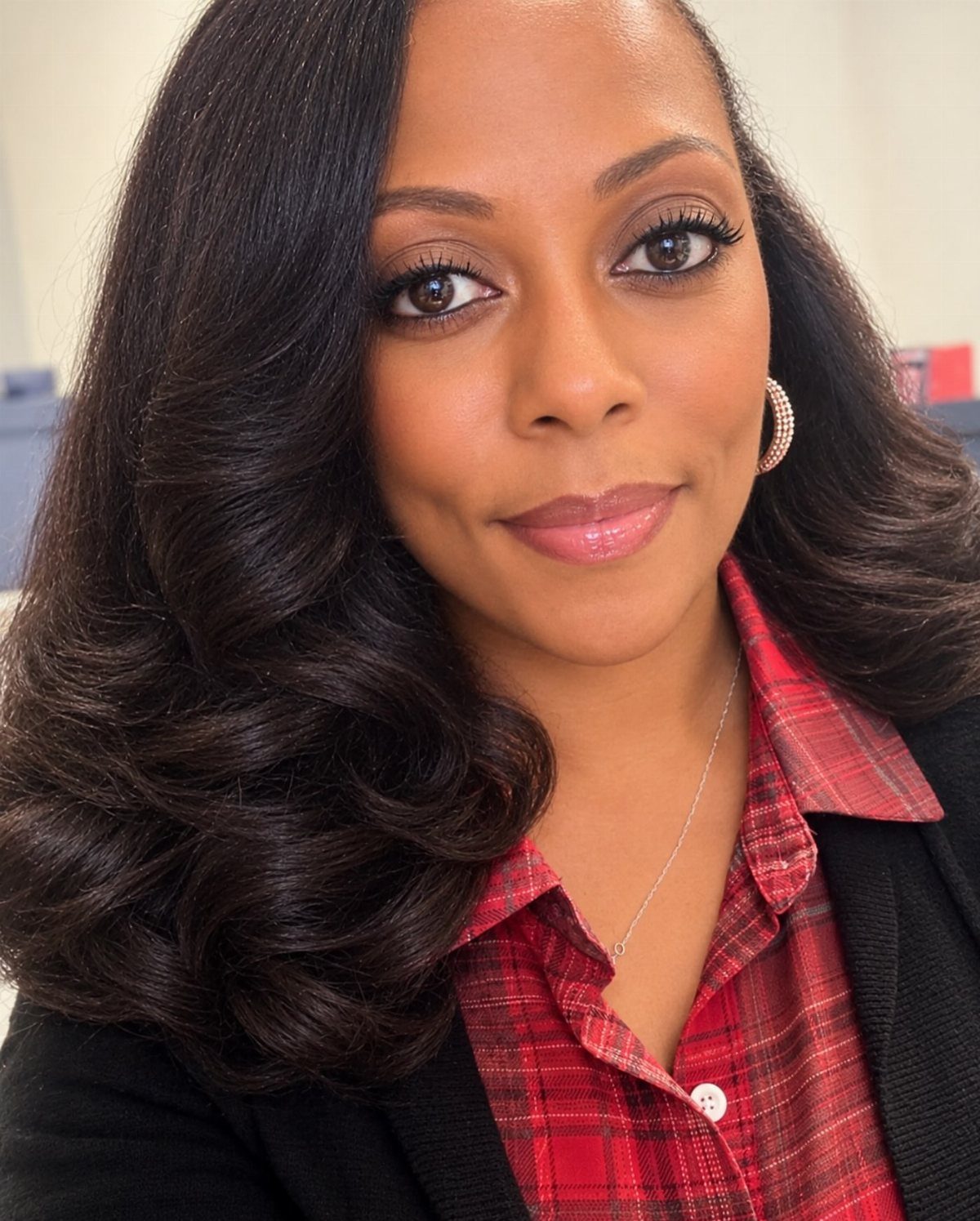
One pair of earrings, small enough that they do not swing, and a watch if you wear one. That is the full jewelry load for an interview; everything else competes with what you are saying.
Small hoops, tiny studs, or short drops in gold or silver work with any suit color.
I avoid anything with movement because I touch my ear when I am nervous, and I do not want the interviewer watching that instead of my face.
Necklaces divide attention across your neckline; unless your blouse is very plain and the chain is very thin, I would leave it off.
6. Low Ponytail
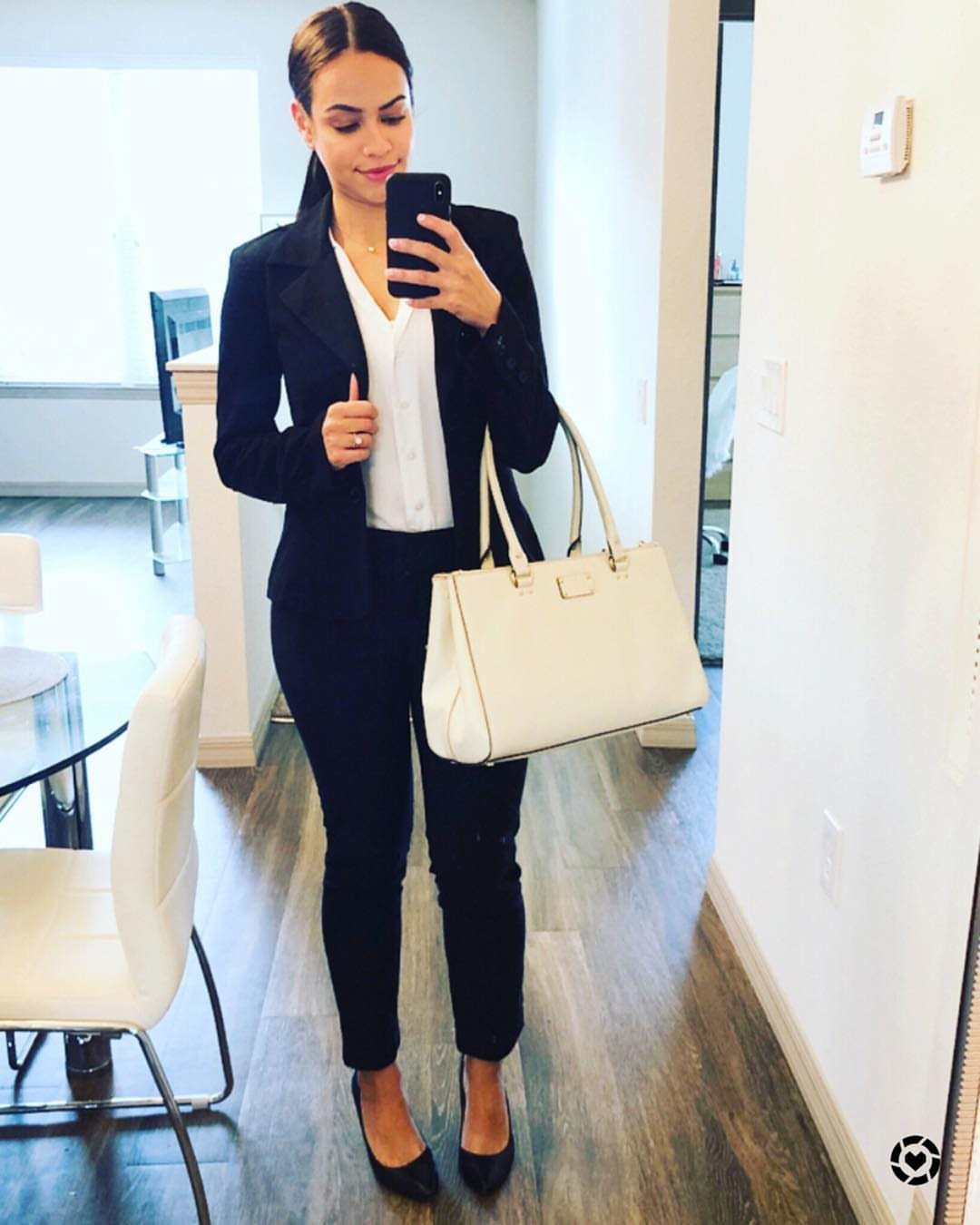
A low ponytail keeps hair controlled without the severity of a bun and without the distraction of loose strands you will tuck behind your ear fifteen times.
Placement matters: at the nape or just above, never high, and smooth at the crown without looking shellacked.
I do this with dry shampoo for grip, a fine-tooth comb to smooth the top layer, and an elastic that matches my hair color. A wrap of hair around the band hides it; a bobby pin secures the wrap.
This takes almost no time and holds through a full day of meetings, which is more than I can say for most down styles by midafternoon.
7. Tailored Dress
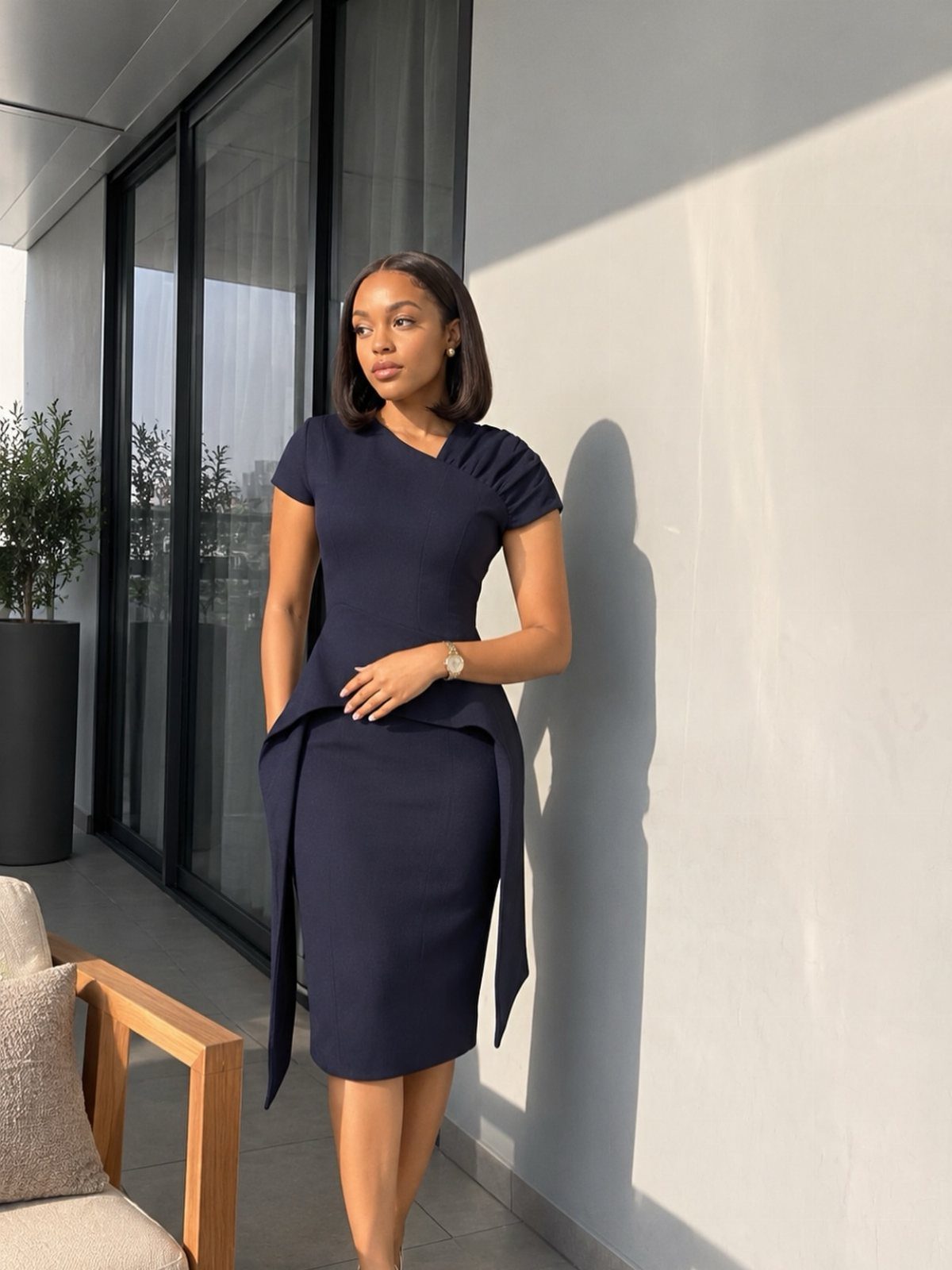
A single tailored dress in navy removes all pairing decisions and still reads as suit-level effort. Short sleeves work year-round; add a cardigan in the waiting room if the office runs cold.
The waist detail matters more than hardware.
Asymmetrical drapery or a subtle seam defines your shape without a belt to shift or gap. Hem at the knee, never above, and test the sit-down length the way you would a skirt suit.
I would choose matte jersey or a structured crepe that does not cling across the hips; it travels better and forgives a coffee station lean.
8. Turtleneck and Trousers with Overcoat
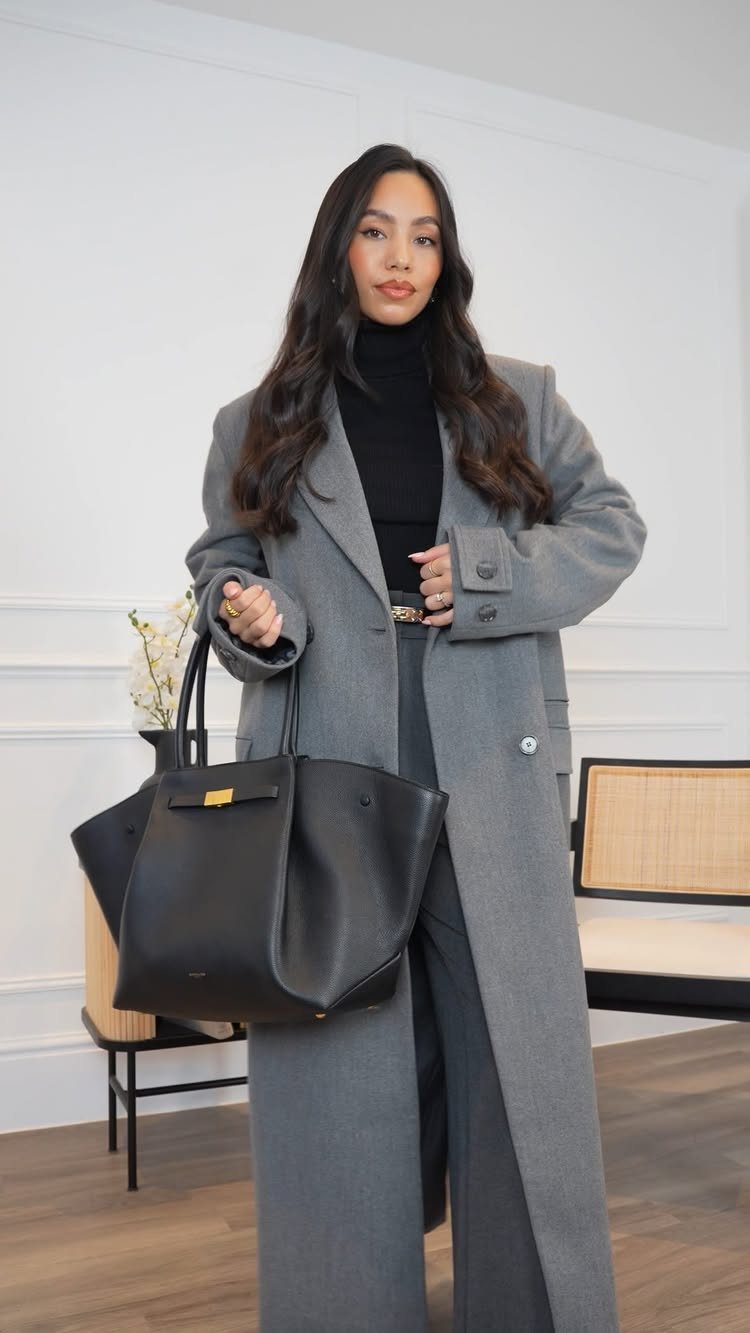
A black turtleneck with grey trousers and a matching overcoat is the interview uniform for creative fields where a full suit reads as stiff.
The coat is doing the formal work here; keep it long enough to hit mid-thigh and tailored enough to wear buttoned if you are early and waiting outside.
Check the turtleneck height. A fold that reaches your jaw can feel constricting when you are nervous; one closer to a crew skim works better for long conversations.
The trousers should be the same value as the coat for one clean column, and shoes need a proper polish because there is no hem to hide scuffs.
9. Belted Blazer with Pleated Skirt
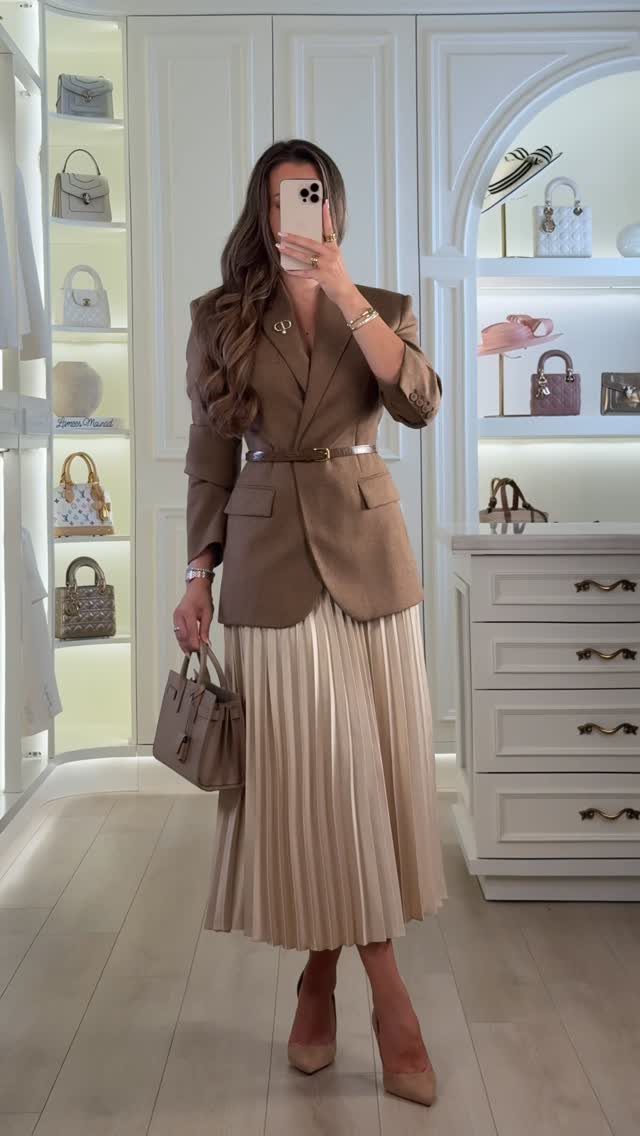
A belted blazer over a pleated midi skirt adds waist definition without tailoring, and the contrast between structured top and flowing bottom reads as confident without being loud.
A belted blazer over a pleated skirt works in any neutral pairing: brown with beige, navy with grey, or charcoal with black.
The belt should sit at your natural waist, not the hip, and the blazer length must clear the skirt waistband so the pleats hang uninterrupted.
Nude pumps extend the leg line; choose a shade that matches your skin tone, not a generic beige.
I would test this outfit seated; a full pleated skirt can bunch where the belt meets your lap, and you may want to loosen the buckle one notch for comfort.
Interview Preparation Tips
Practice sitting before you leave the house. Cross your legs at the ankle, not the knee, and note where your jacket hem falls; a cropped blazer can ride up and bunch at your waist.
Shift in your chair the way you will in the waiting room, because the interviewer may be watching before you know it.
Keep your phone in your bag, not your hand.
The notes you brought stay on your lap; they give your hands something to do besides twist a ring or smooth your hair. A firm handshake matters more than the jewelry you shook it with.
Take a breath before you answer.
A three-second pause reads as thoughtfulness; rushing reads as nerves. Yes ma’am and no sir still matter in formal settings, and the person opening the door for you may be the one making the hire.
Avoiding Distractions
Bright color belongs to the weekend. In an interview, a red blouse or a yellow pump pulls the eye away from what you are saying and toward what you are wearing.
The same goes for jewelry that moves: chandelier earrings, stacked bracelets, anything that catches light when you gesture. One interviewer will watch the sparkle instead of your face.
Patterns can distract too. A loud print reads as personality before you have spoken; small textures in neutral tones do not.
Check your outfit in daylight and then in bathroom fluorescent, because both will happen. If anything makes you pause in the mirror, the interviewer will pause too.
First Impressions
Your outfit is judged before your resume is opened.
Hiring managers read clothing as a signal of judgment: did this person understand the room they were walking into? A candidate in cargo pants or sneakers has already answered, and not in their favor.
Neatness matters as much as formality.
A wrinkled blouse in the right cut reads worse than a pressed blouse in a simpler one. Fit is part of this too; a borrowed jacket with shoulder seams past your arm bone looks like a costume, not a choice.
You do not have to enjoy conservative dress.
I never liked wearing heels, but I wore them when the setting required it. The point is to remove yourself as a distraction so they hear what you are actually there to say.
Frequently Asked Questions
What should a woman wear to an interview in 2026?
A navy or charcoal pantsuit, a skirt suit in grey or black, a tailored dress, or a blouse with a knee-length pencil skirt all read as intentional and professional.
Hiring managers in 2026 still treat your clothes as evidence that you understood the room before you walked in; casual has not become the default. Choose fit over fabric price, and plan on tailoring anything bought off the rack.
What should I wear to an interview?
Navy or charcoal suiting remains the safest base, with shoulder seams landing right at the shoulder bone and trouser hems breaking once on the shoe.
If you already own a silk blouse and black pencil skirt, that works too; the blouse must stay put through arm raises and seated leans. One pair of small earrings and a watch complete the look.
What shoes are appropriate for an interview?
Closed-toe pumps in a low heel are the standard, with nude extending the leg line if you are wearing a skirt.
Scuffs have nowhere to hide below a hemline, so a proper polish matters; even when a turtleneck and trousers replace the suit in creative offices, the coat handles the formality but the shoes still carry weight.
Flats are acceptable if they are structured and closed-toe.
Should I wear a dress or a suit?
Both are acceptable; the tailored dress removes pairing decisions and travels well, while the suit carries more formal weight in conservative fields.
A single dress in matte jersey or structured crepe reads as suit-level effort if the hem hits at the knee and the waist is defined without a belt.
Choose based on what you already own and what makes you feel least distracted.