The 8 ideas below range from a single half-tuck adjustment to a full co-ord set, and the one that belongs to you depends on which proportion problem you are solving: a swallowed waist, a broken leg line, or a hem that pools where it should stop.
1. Flowy Wide-Leg Pants
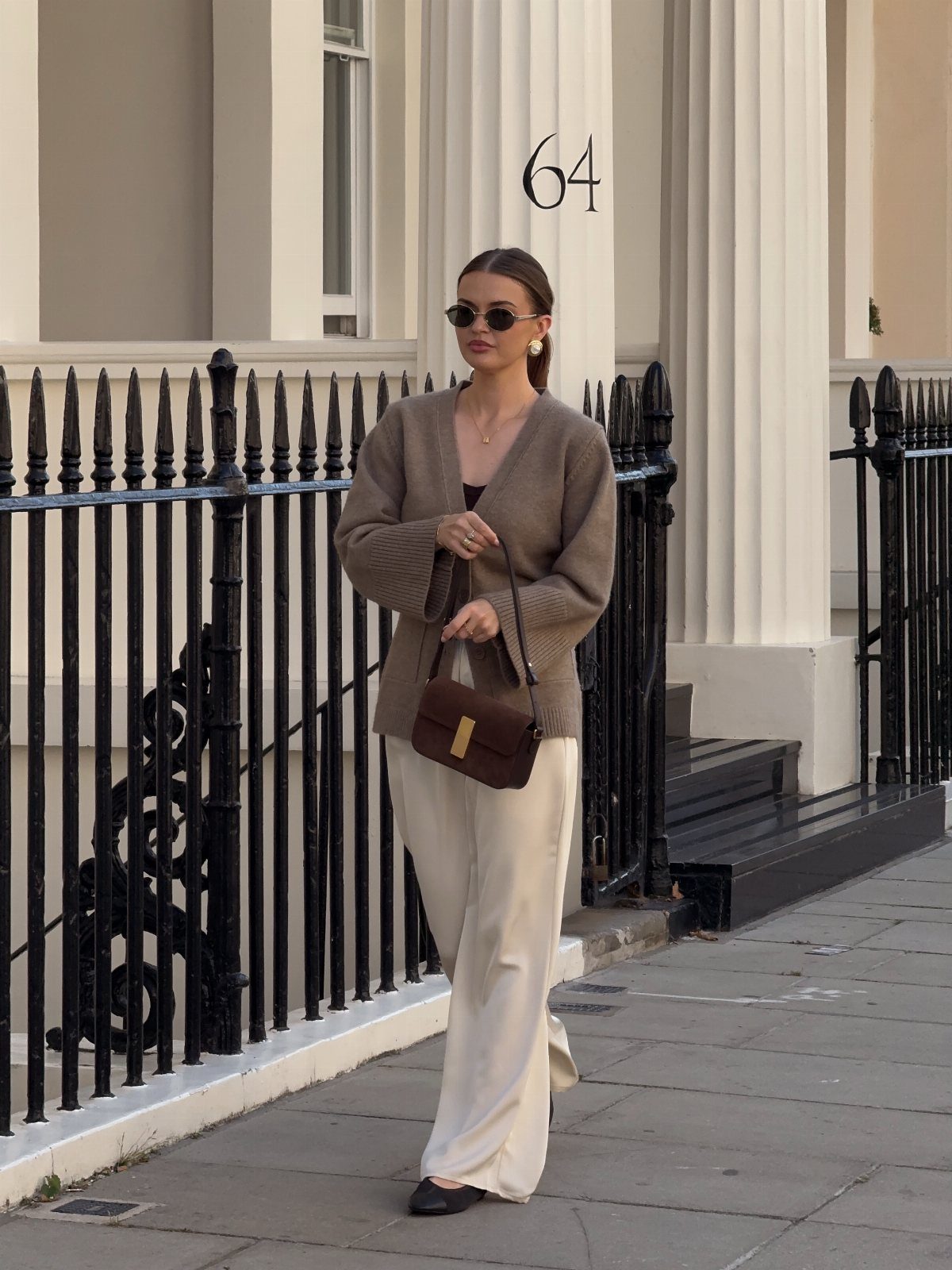
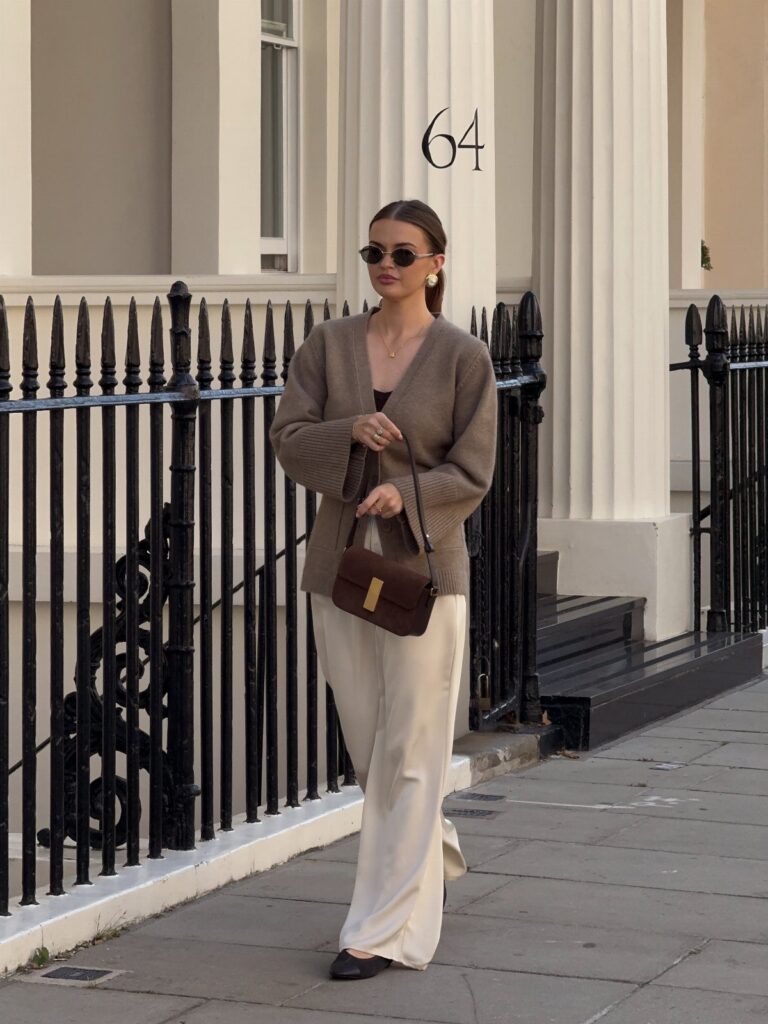
Stick to a high-rise waistband only; it lengthens the torso-to-leg ratio in ways a mid-rise simply cannot. Ivory and taupe carry the most weight in a neutral wardrobe, warm enough to feel considered rather than safe.
2. High-Rise Jeans
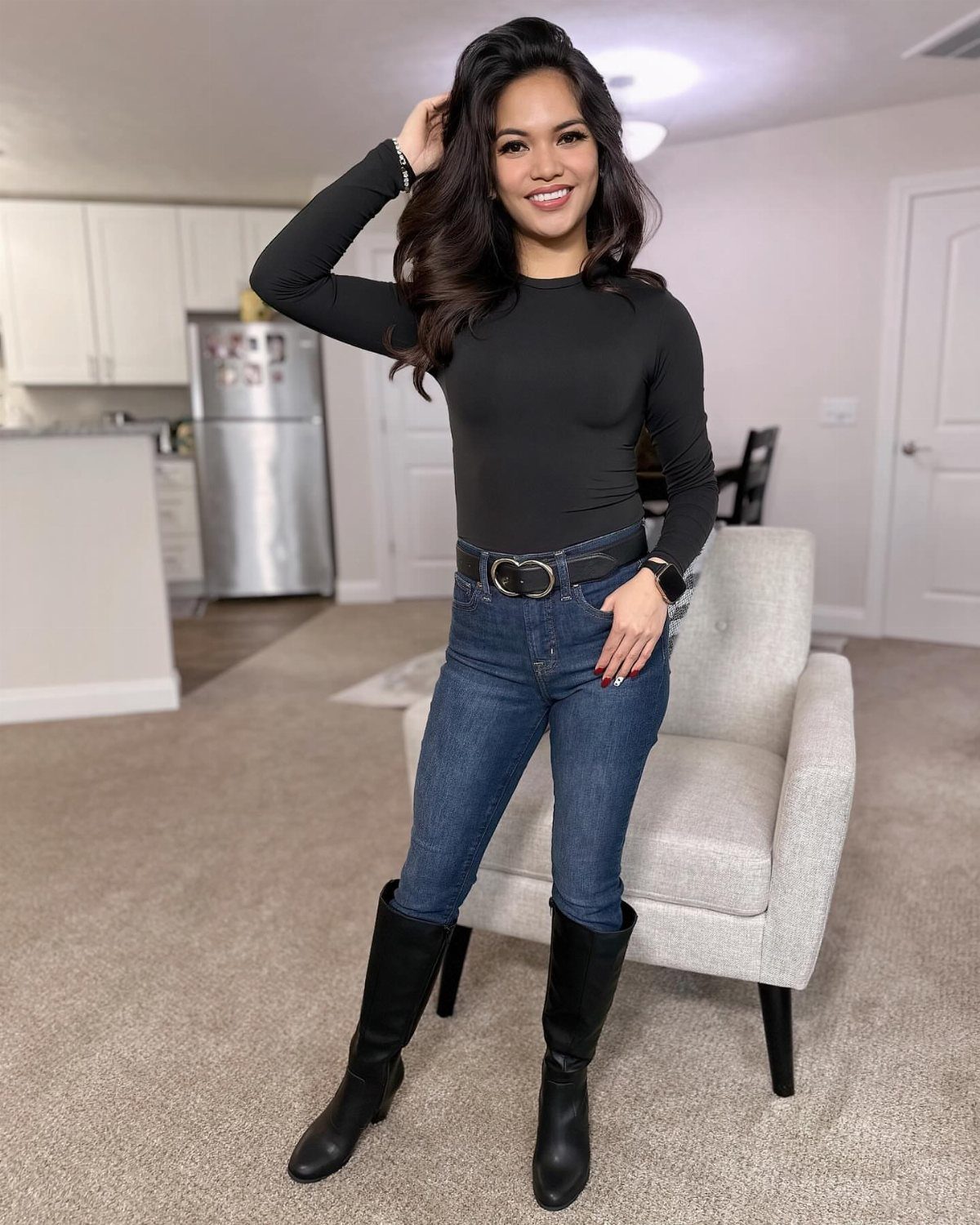
Look for a petite inseam cut at 28 to 29 inches, a leg opening between 13 and 15 inches for a clean straight line, and 1 to 2% elastane at most so the shape holds without going baggy by afternoon.
These jeans carry more outfits than almost anything else in the closet.
3. Co-ord Sets
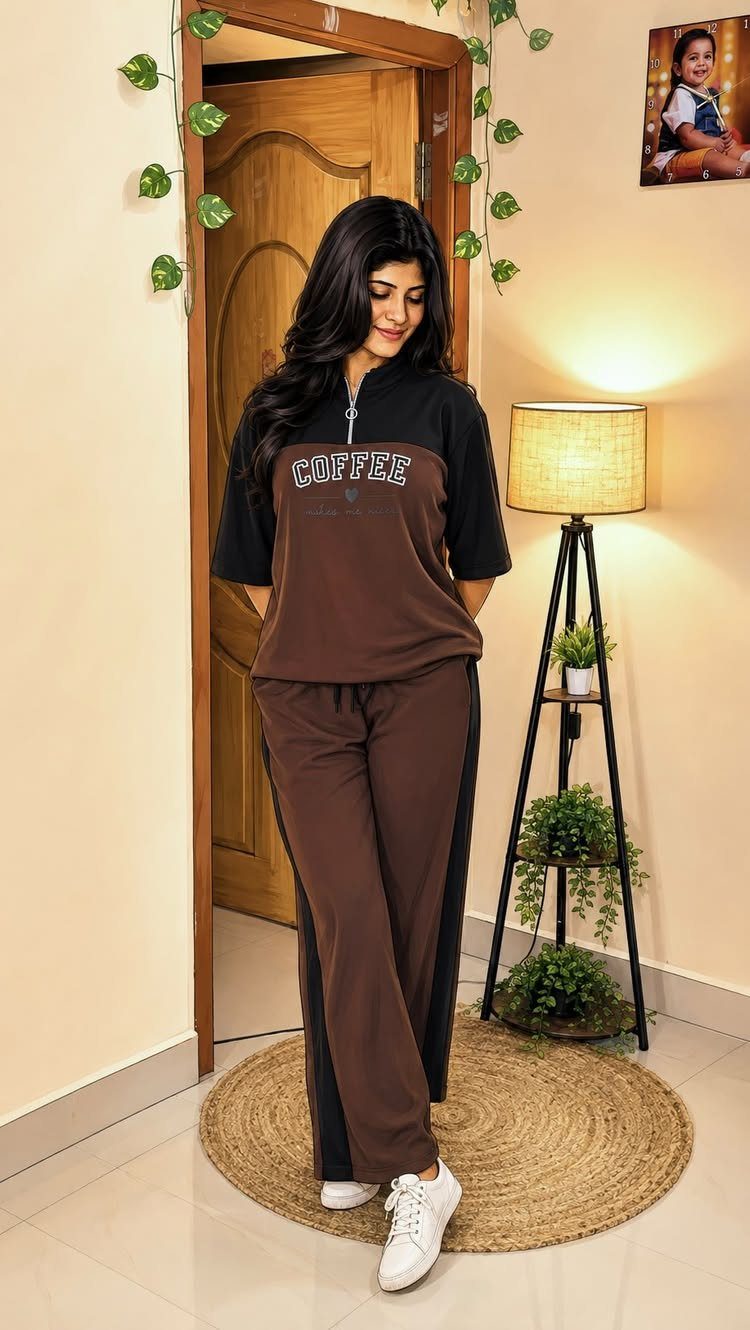
Matching pieces take the decision fatigue out of getting dressed. A top and bottom in the same color or pattern give you an instant outfit that reads intentional, and the pieces separate cleanly for more combinations later.
I like them for travel days or rushed mornings; the set does the styling work before I touch the drawer.
Choose something in a fabric that can handle real life, not just a photo shoot. The visible set pairs a printed top with matching bottoms and white sneakers, which keeps the look grounded rather than overly done.
4. Neutral Capsule Wardrobe Flat Lay
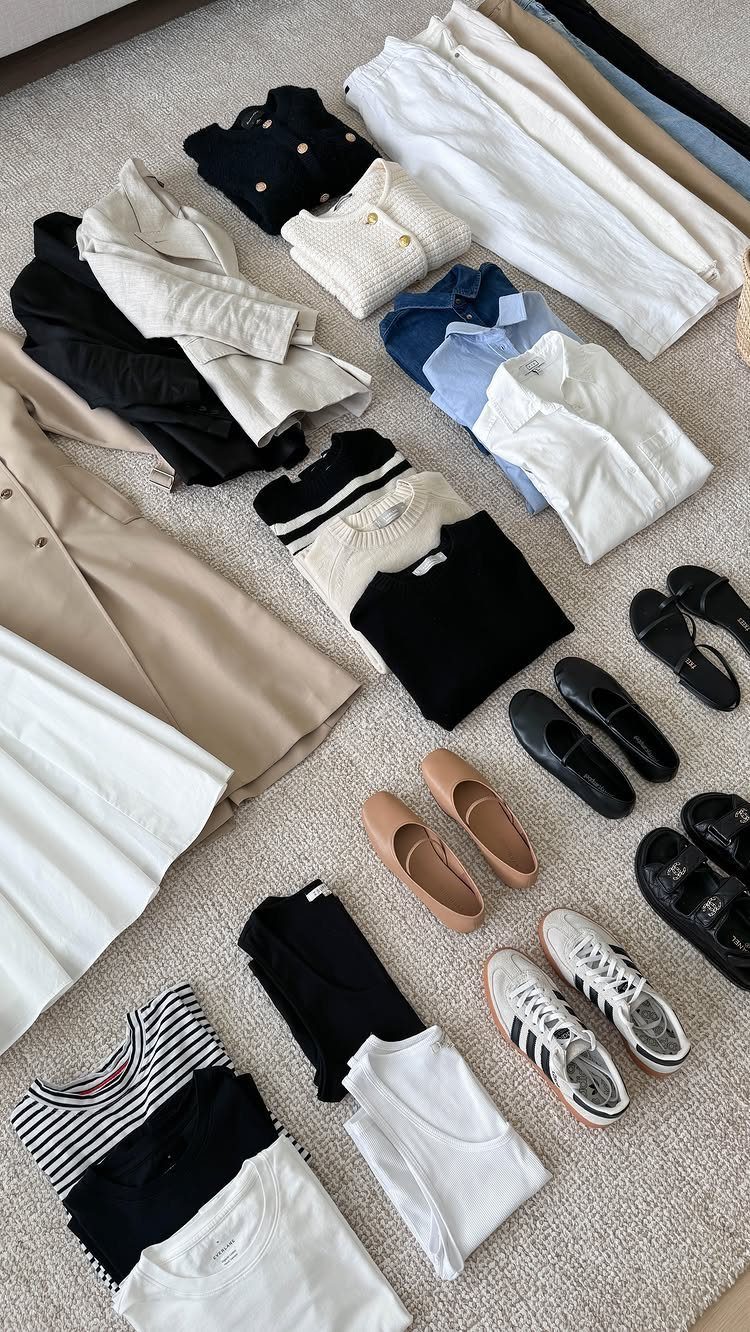
A tight palette of cream, tan, black, and grey means every top talks to every bottom without negotiation.
I find this kind of visual inventory useful when I am tempted by a sale; laying out what I own already, or planning what to buy, makes the gaps obvious and the impulse buys harder to justify.
5. Black Blazer and Midi Skirt
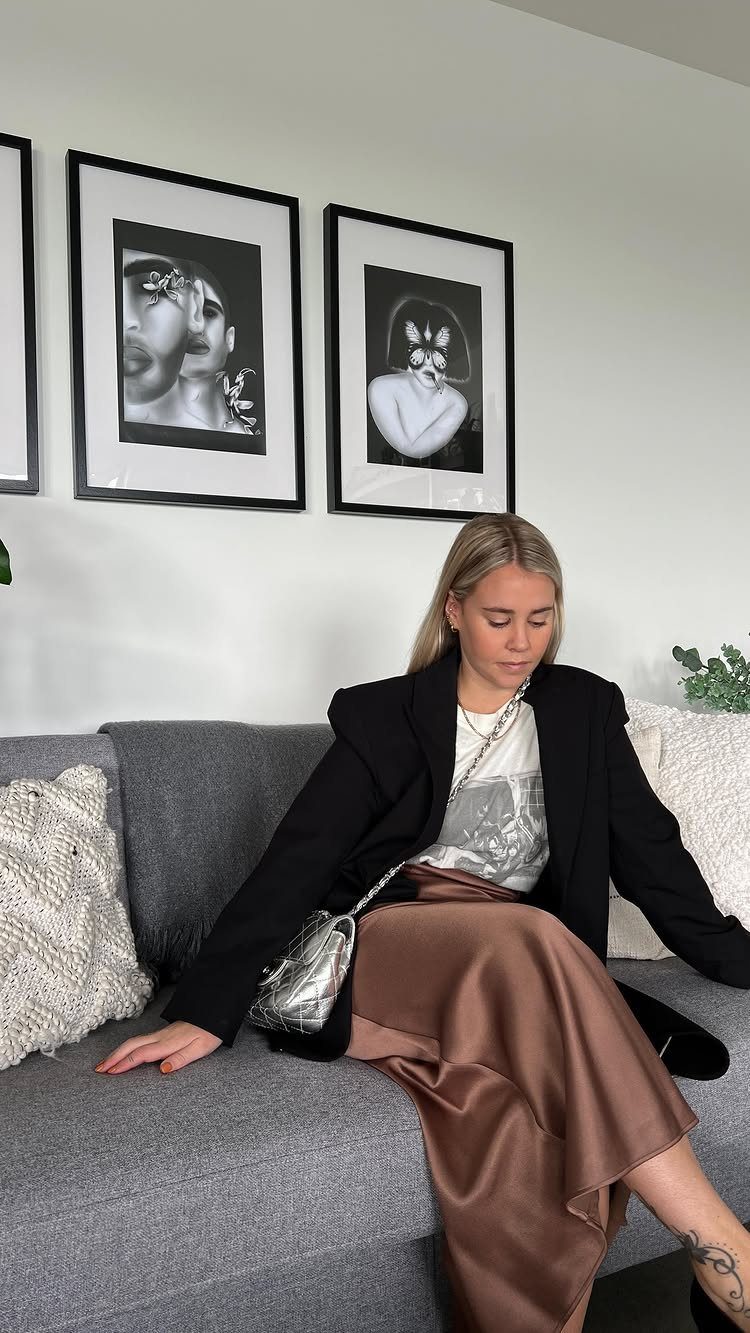
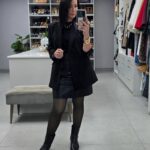
A fitted black blazer over a simple top with a midi skirt is one of those combinations that works harder than it looks.
The blazer gives structure at the shoulder and waist, the skirt keeps the line long below, and the gap between them is where your personality sits: a graphic tee, a fine-knit turtleneck, whatever reads as you that day.
For petite frames, the fitted part matters. Not tight, just close to the body; a boxy blazer is a different garment entirely and does none of the lengthening work.
Satin or a similar fluid fabric in the skirt keeps the lower half from going too office-rigid, especially if you are wearing this after work hours.
6. Sleeveless Top and Maxi Skirt
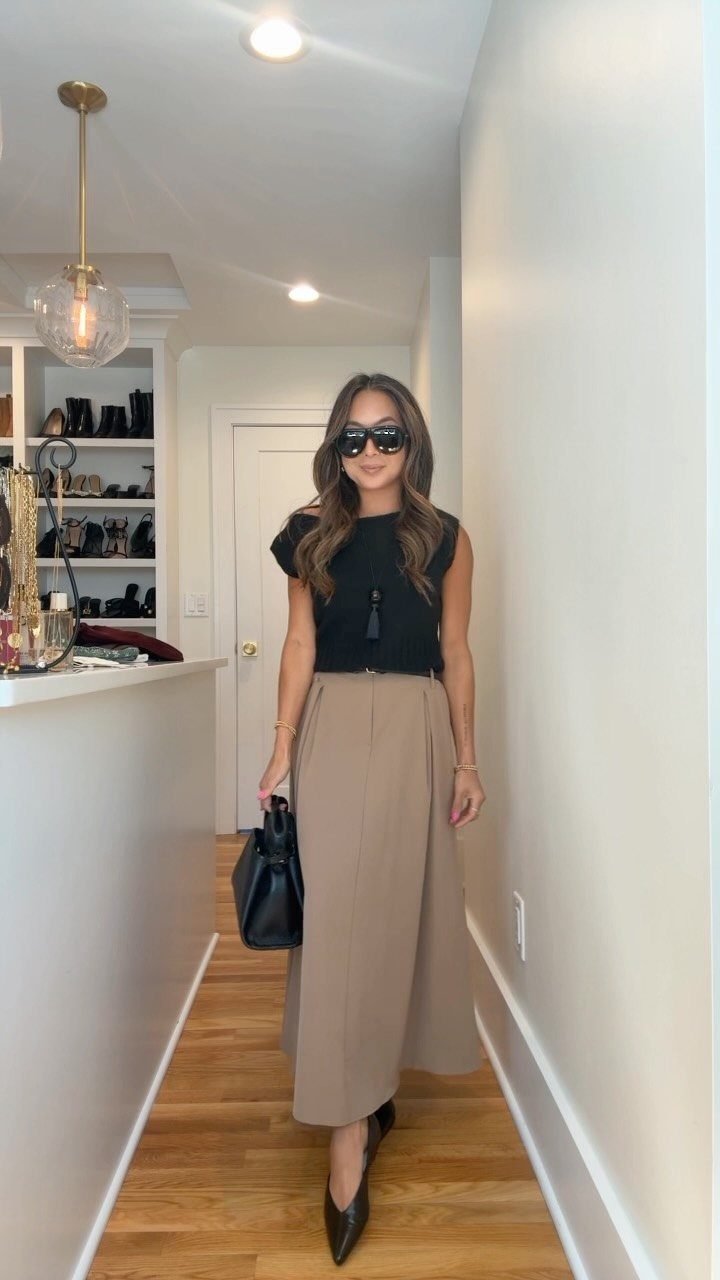
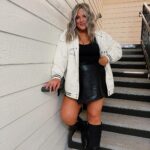
A sleeveless black top with a long tan skirt and pointed-toe shoes creates a single vertical line that reads taller than the same pieces broken up by color or hem.
The skirt length here is doing the work; it needs to sit at the natural waist and fall to the top of the foot, not mid-calf, or the proportion collapses.
Pointed-toe heels extend the leg line visually even when they are flat.
7. Trench Coat Layering
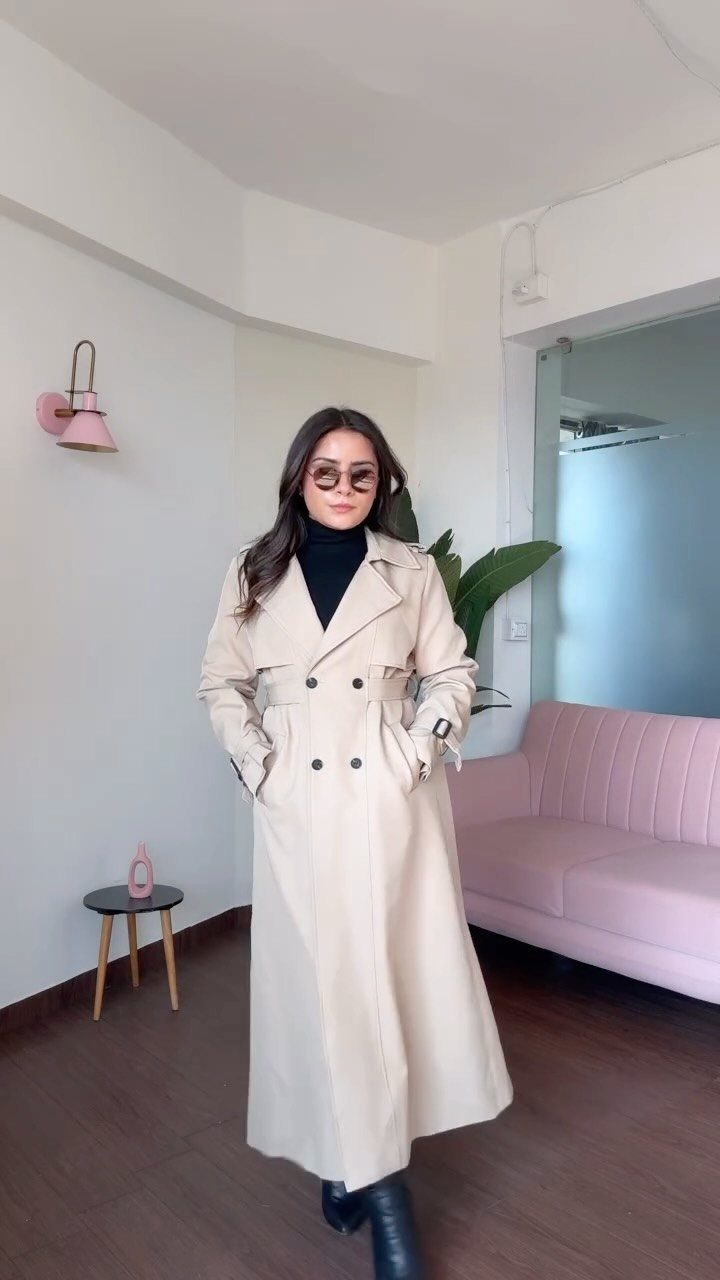
On a petite frame, a trench coat needs proportional details to work: a waist that sits at your natural waistline, sleeves that don’t swallow your hands, and a hem that balances your height rather than cutting you off.
Standard lengths drop to mid-calf and swallow the leg line entirely; on a 5’2" frame, that reads borrowed, not polished.
Belt it closed. Wearing a trench open on a smaller body tends to look accidental; belting it at the waist creates structure and defines the silhouette in one step.
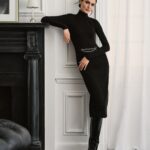
The visible look pairs the coat over a fitted black turtleneck with black boots, which keeps the color block continuous underneath and lets the trench act as the single top layer.
Choose a lightweight cotton gabardine or similar. Heavy fabric adds bulk where you want length.
8. Classic Button-Down and Denim
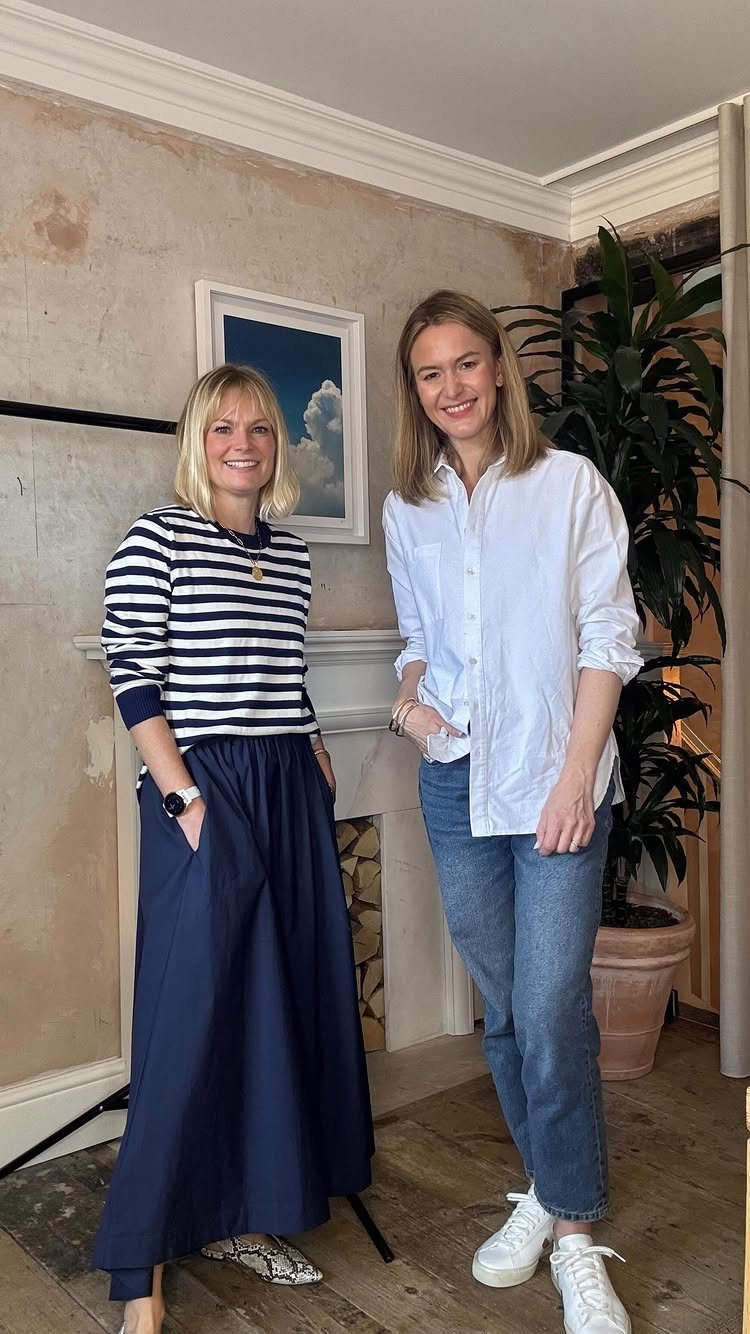
A half-tuck with a white button-down is a minor adjustment that changes how the entire outfit sits.
Tuck just the center front and let the sides hang free, and your waistline shows up as itself instead of disappearing under fabric or looking deliberately concealed.
Before committing, I check three details: a hem between 26 and 27 inches so the tuck lies flat without pooling at the hip, shoulders that sit close with no extra width, and cotton poplin or a lightweight cotton blend that keeps its shape without turning board-stiff.
A crisp white button-down paired with medium-wash slim jeans is the ultimate petite capsule wardrobe workhorse.
Importance of Fit
Standard sizing is drafted for a taller proportion, which means the waist lands lower, the sleeves run past the wrist, and the hem pools where it should stop.
Every one of these errors shortens the line you are trying to lengthen.
A true petite cut carries its own rules. The front rise should sit between 10.5 and 11.5 inches to push the leg line upward.
Petite trousers and jeans hit best about a half inch above the ankle bone, right at it, or at most one inch up; fabric that pools on the shoe breaks the vertical line and makes the leg read shorter.
Tops should land at the hip bone or hip crest, with anything longer half-tucked to keep the waist visible. Sleeve length should hit right at the wrist bone, not drape past the knuckle or stop short.
Most petite shoppers check the cut and miss the weight of the fabric itself, which can flatten or add bulk where neither helps.
Midweight ponte, tropical wool, lightweight cashmere, and stretch denim all keep a clean line because they follow the body instead of fighting it or collapsing away from it.
If a fabric holds its own shape off a hanger, it will hold its own shape on you, and not in your favor.
Mixing and Matching
A capsule wardrobe earns its keep only when the pieces actually pair. For a petite frame, that means every combination needs to keep the vertical line intact, not break it for the sake of variety.
The color palette does most of the heavy lifting. Pattern works when it is anchored by solid blocks above or below; a printed top with a solid bottom keeps the eye moving upward, and the reverse keeps it grounded.
Two patterns in one outfit is possible, but the scale needs to differ enough that they do not compete.
Proportion is the other half.
High-waisted bottoms with a tucked or cropped top preserve the longer leg line. A fitted layer over a fluid one, or the reverse, gives structure without bulk.
A capsule built for real mornings means outfits you will actually pull on, not a theoretical maximum; each combination should look like you meant it, even at 7:00 a.m. with coffee still brewing.
Frequently Asked Questions
What is the best petite capsule wardrobe?
The best petite capsule wardrobe centers on pieces that keep the vertical line intact through correct proportion and fit. I reach for ponte, tropical wool, and lightweight cashmere in a weight that skims without collapsing or adding volume.
What clothes look best on a petite?
A front rise around 10.5 to 11.5 inches lifts where the eye lands on the leg, and hems that stop at the ankle bone on pants, the hip crest on shirts, or the top of the foot on a long skirt keep the proportions working for you rather than against you.
Stretch denim and lightweight cashmere trace the body line; stiff or heavy cloth would either box you out or press flat what little shape you have.
What makes a woman look wealthy?
Quality fabrics and timeless, well-fitted styles contribute most to a polished appearance that reads as expensive.
A crisp white button-down in cotton poplin, a fitted black blazer with clean shoulders, and satin or fluid midi skirts in a neutral palette all signal intention rather than trend-chasing.
The fit matters more than the label; standard sizing drafted for taller proportions creates pooling hems and low waists that look careless, not rich.