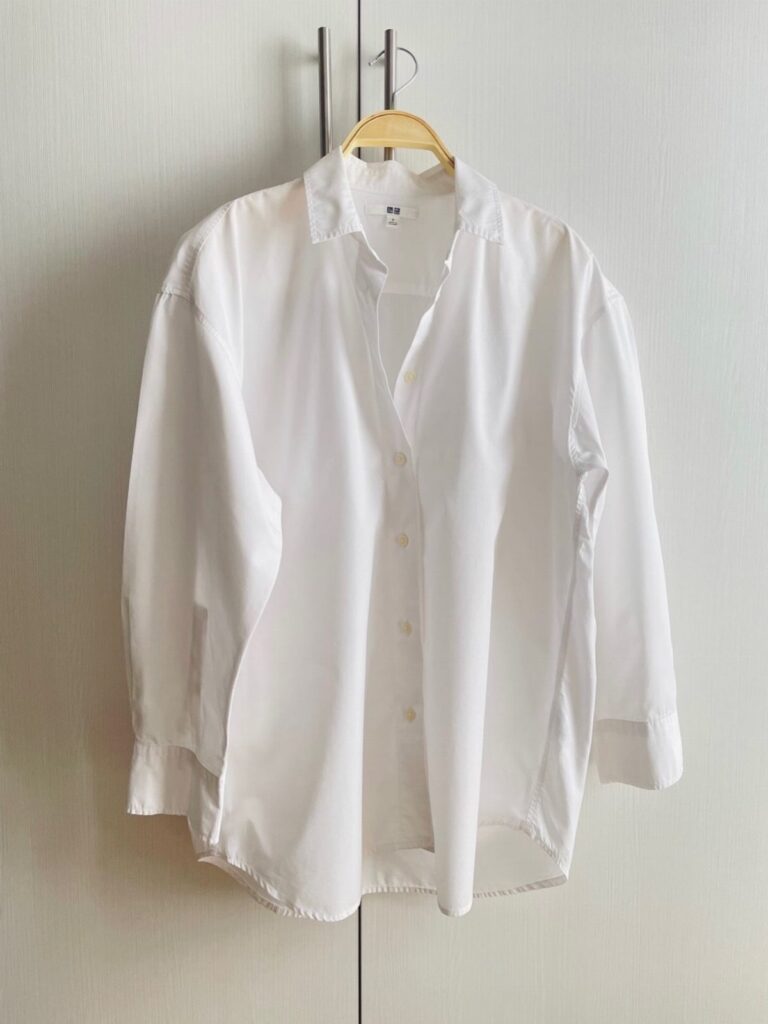
A time capsule wardrobe for women can start with a single white button-down or grow into a full clothing rack system, and the right starting point depends on whether you are rebuilding after a life transition or just trimming decision fatigue.
The herringbone tweed blazer I keep coming back to makes denim feel intentional rather than lazy, and that one piece alone tells you whether this list matches your style.
1. White Button-Down Shirt
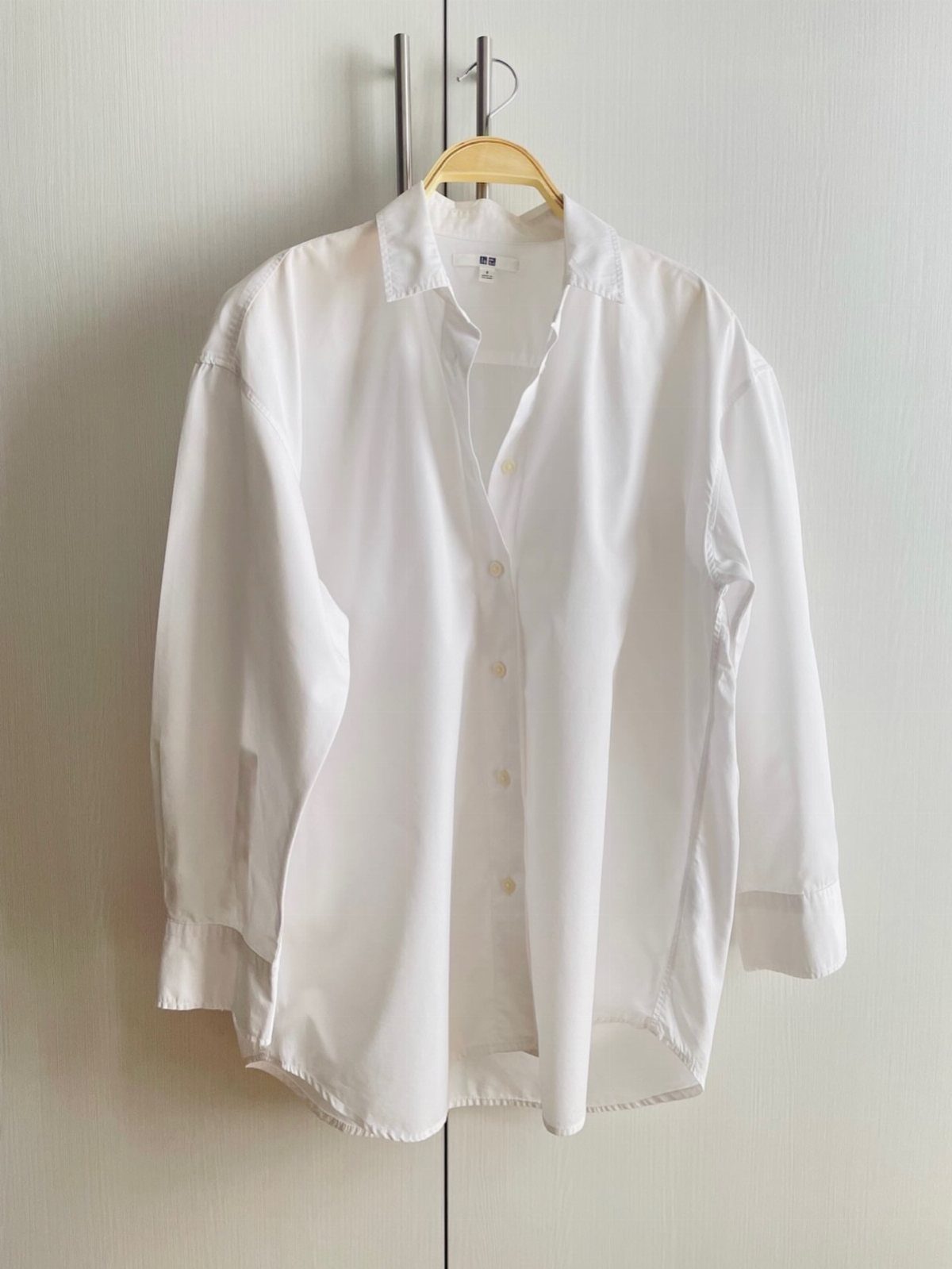
A white button-down shirt is the one piece that earns its place in every single capsule wardrobe, no matter the season. It moves from boardroom to brunch depending solely on what you pair it with.
What matters most is the fabric weight. Too thin and it goes see-through by noon; too stiff and you will fight the collar all day.
I look for cotton with enough body to tuck cleanly without bulk. Check the collar construction before you buy: a proper collar stand means it sits right under a blazer without collapsing.
2. Tailored Trousers
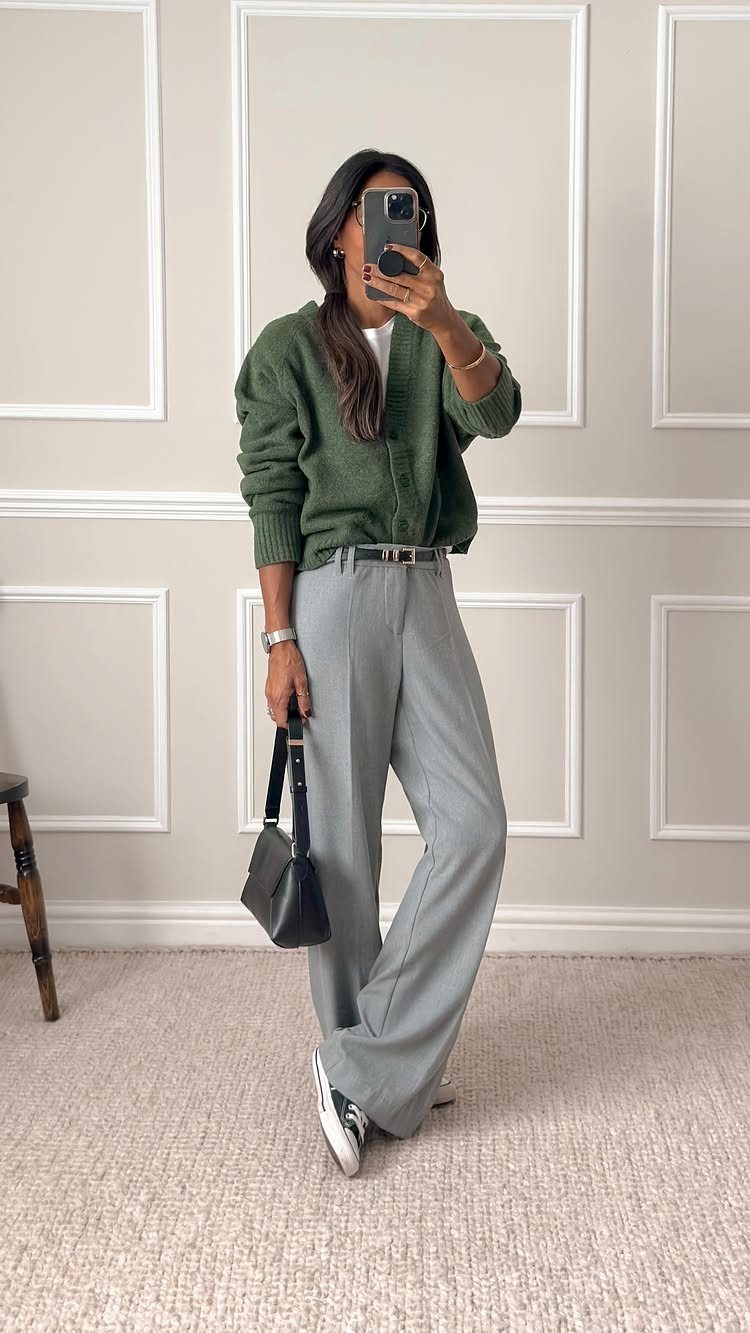
Wide-leg tailored trousers in a soft grey are the backbone of a business casual capsule that actually gets worn. A wide leg and clean waistband let these move from a morning meeting to weekend errands without looking out of place.
I would check the rise first: mid-to-high sits comfortably and tucks shirts cleanly.
Wool-blend or structured ponte holds the shape through the day better than anything stretchy. The break at the shoe matters more than people admit; a slight break keeps the line polished without looking like you are waiting for a flood.
3. Timeless Blazer
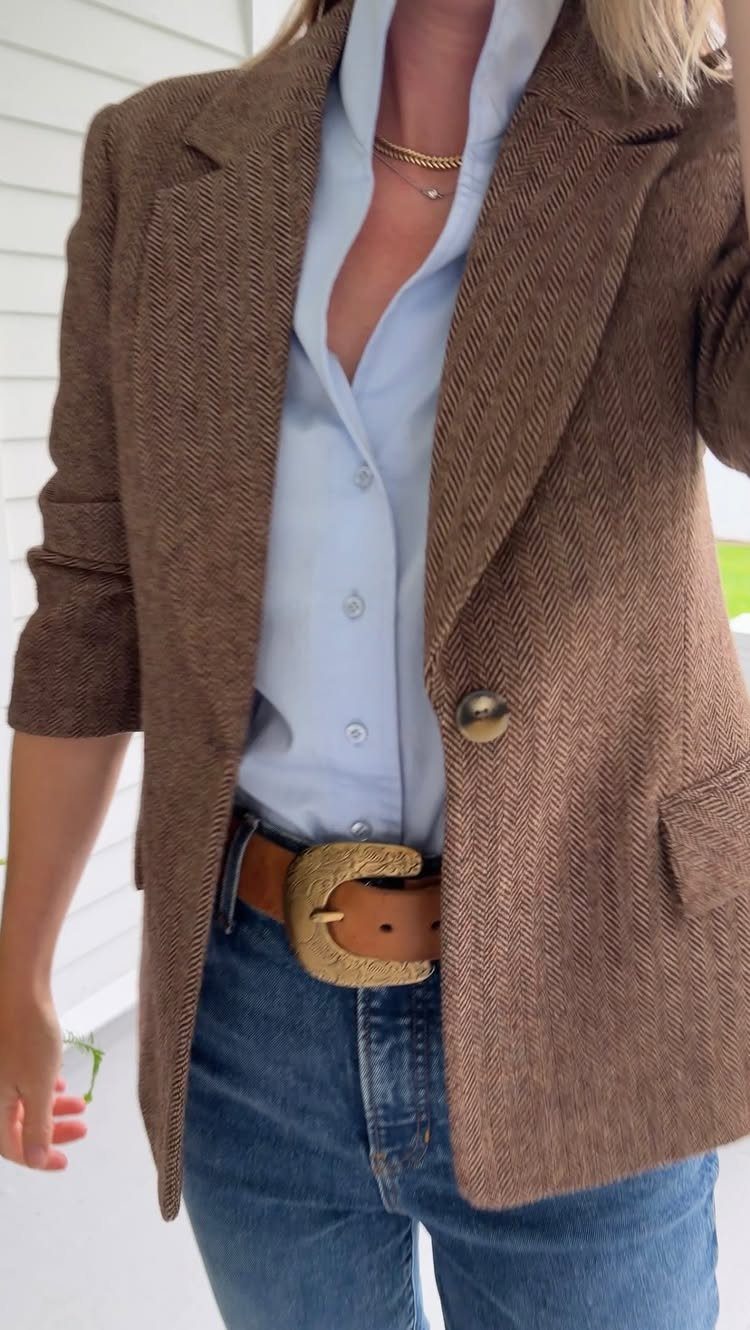
A herringbone tweed blazer in warm brown does something a black one cannot: it makes denim feel intentional rather than lazy. The structured shoulder and nipped waist here are what separate a coat that flatters from one that merely covers.
A blazer that holds its shape through years of dry cleaning is worth the bigger price tag up front. A wool-blend or heavy crepe holds its shape for years, and the cost-per-wear drops to pennies after the first dozen outings.
4. Ballet Flats or Low Pumps
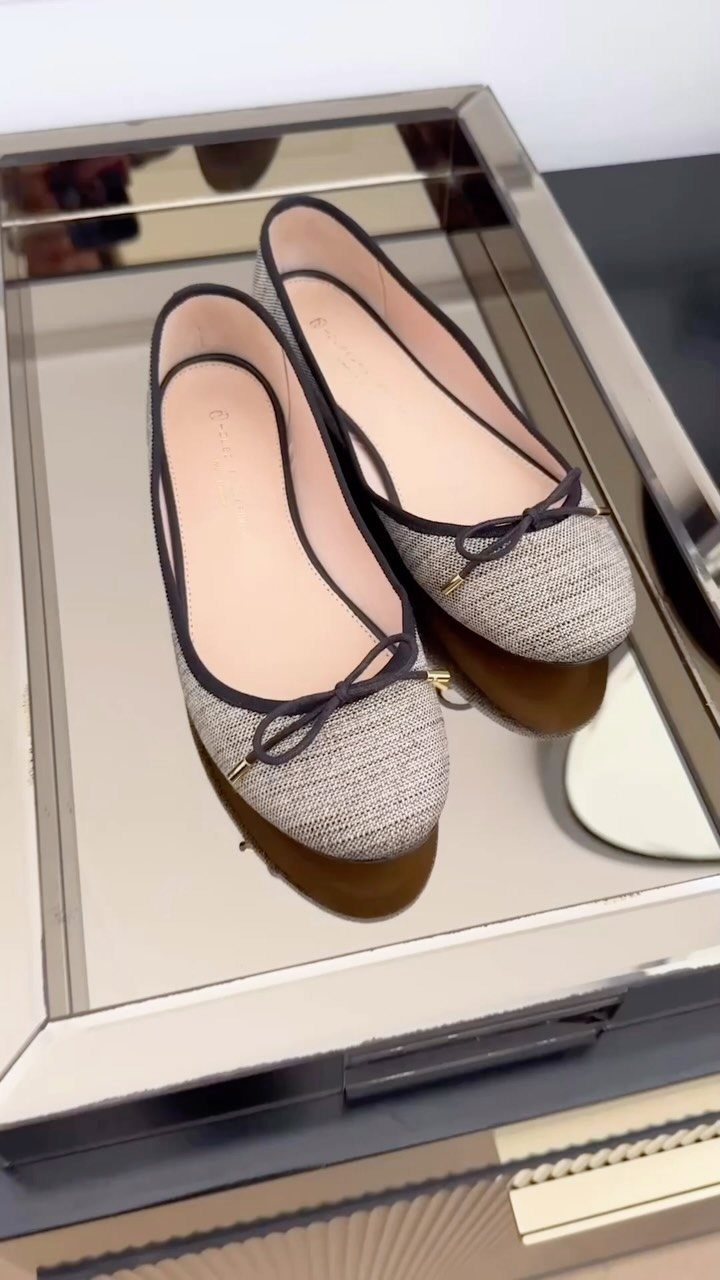
Tweed ballet flats with a subtle bow bring texture to an outfit without competing for attention. The grey here reads neutral in daylight but reveals its depth up close, which is exactly what a capsule shoe should do.
I look for a pointed or almond toe: it sharpens every hemline it meets, from trousers to midi skirts.
The maker who photographed these pointed out that a shoe working at 8 am and 8 pm is non-negotiable on days that do not end with the office.
A heel under 3 inches, like a kitten heel, gives you a little lift without the foot pain that slows you down.
5. Little Black Midi Dress
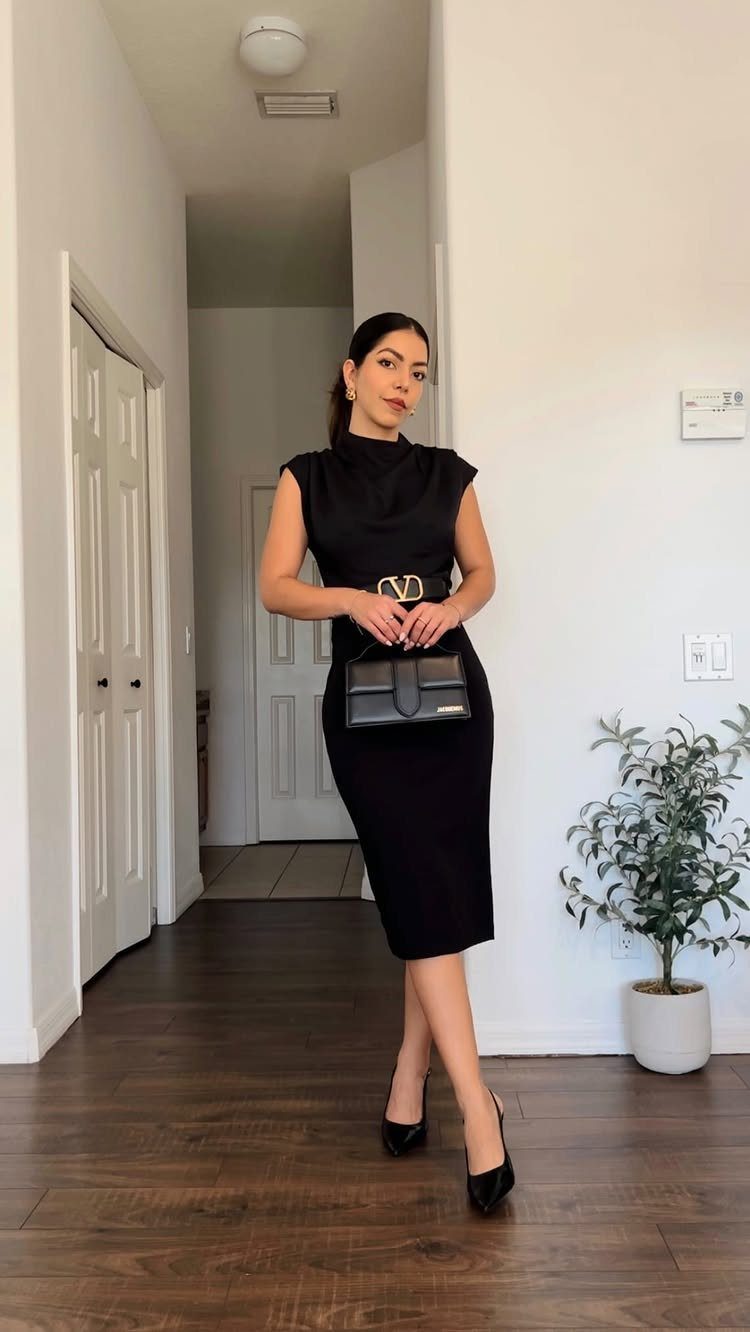
A sleeveless black midi dress is the closest thing to a uniform I own for occasions that shift from day to evening without warning.
The gold-buckled belt here creates waist definition where the dress itself hangs straight, which is a two-silhouette trick worth remembering.
I choose the sleeveless cut because any topper works over it: blazer, cardigan, or bare shoulders in summer. The length should hit mid-calf; anything shorter loses the polish that earns this dress its spot.
When the notes mention a self-belt or removable option, that is the version I would hunt for, since two silhouettes from one zip makes packing lighter.
6. Tailored Long Overcoat
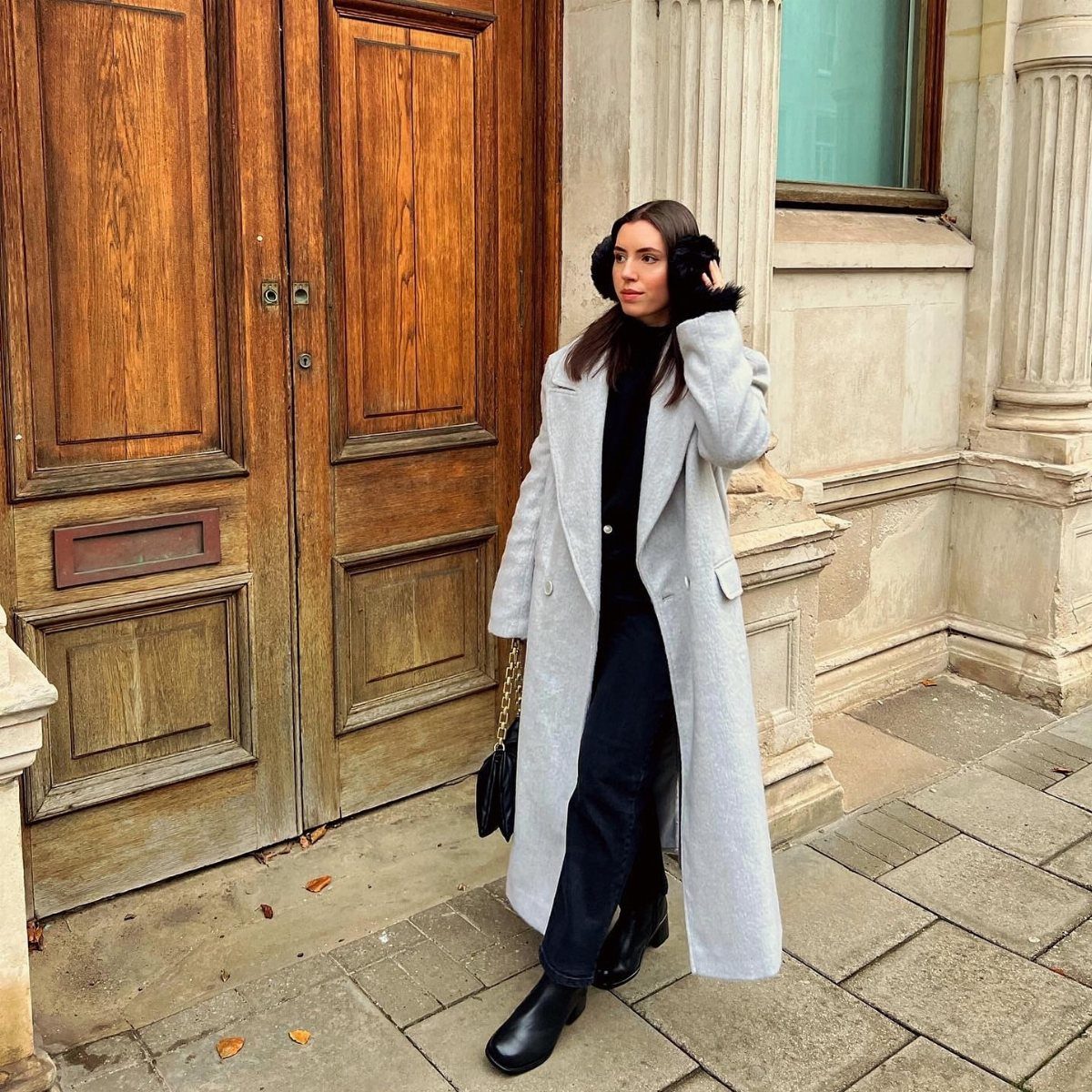
An ankle-length tailored coat in soft grey is the piece that makes the rest of your outfit look intentional, even when it is not. The straight cut here skims without swaddling, which is the difference between polished and package.
I check that the shoulder seam sits exactly on the bone; an overcoat with a dropped shoulder loses its structure and pools fabric where you do not want it.
The length should clear your heel without dragging; anything pooling on wet pavement will fray before its time. Neutral layers underneath, black and cream, let the coat speak while keeping the whole look clean enough for any meeting.
7. Striped Knit Cardigan
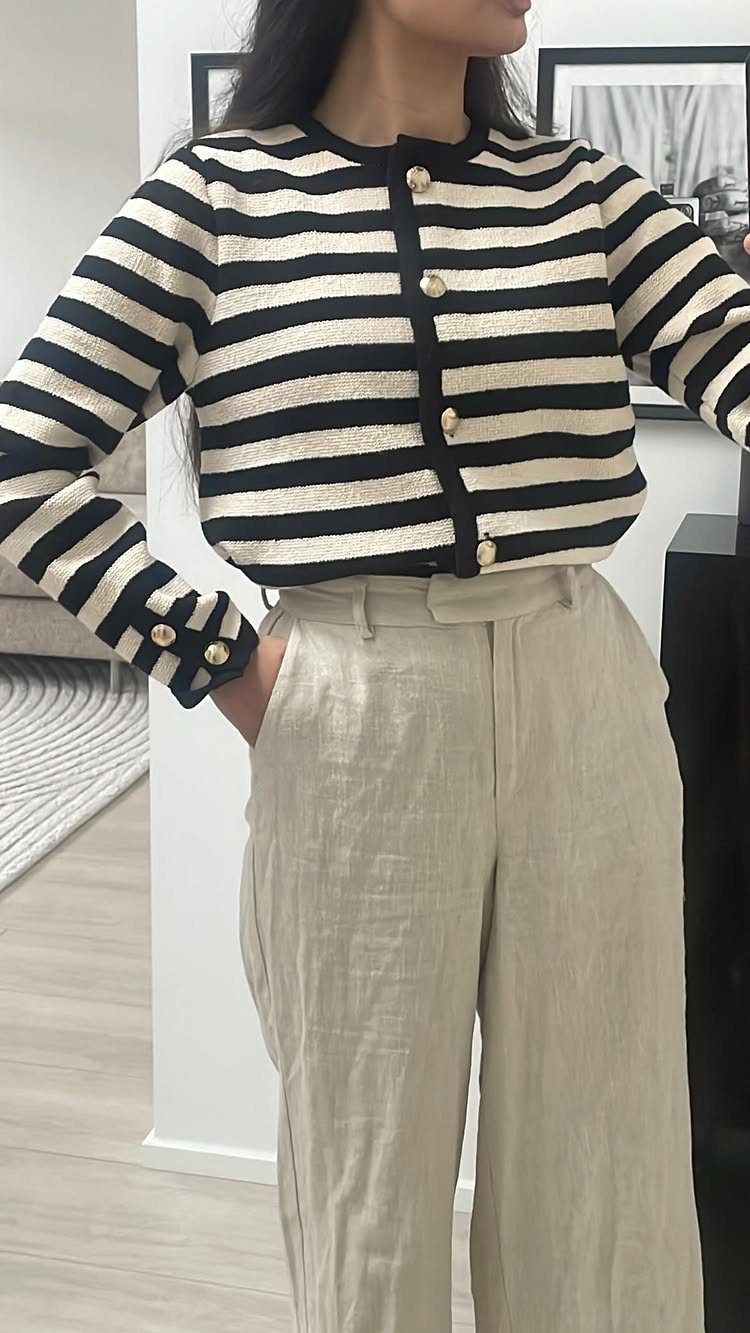
Striped knit cardigans do what solid colors cannot: they add pattern without committing to a print that limits your pairings. The gold buttons here read as jewelry against the black-and-cream stripe, so you need less at your neck.
A fine merino or cashmere blend holds its shape through a workday better than cotton, and the weight layers cleanly under a blazer when the office thermostat drops.
I would check the button placement before buying: spaced too far apart and the front gaps; too close and the stripe breaks into dots. A cropped length that meets the waistband of high-rise trousers gives the cleanest line.
8. Ribbed Knit Sweaters
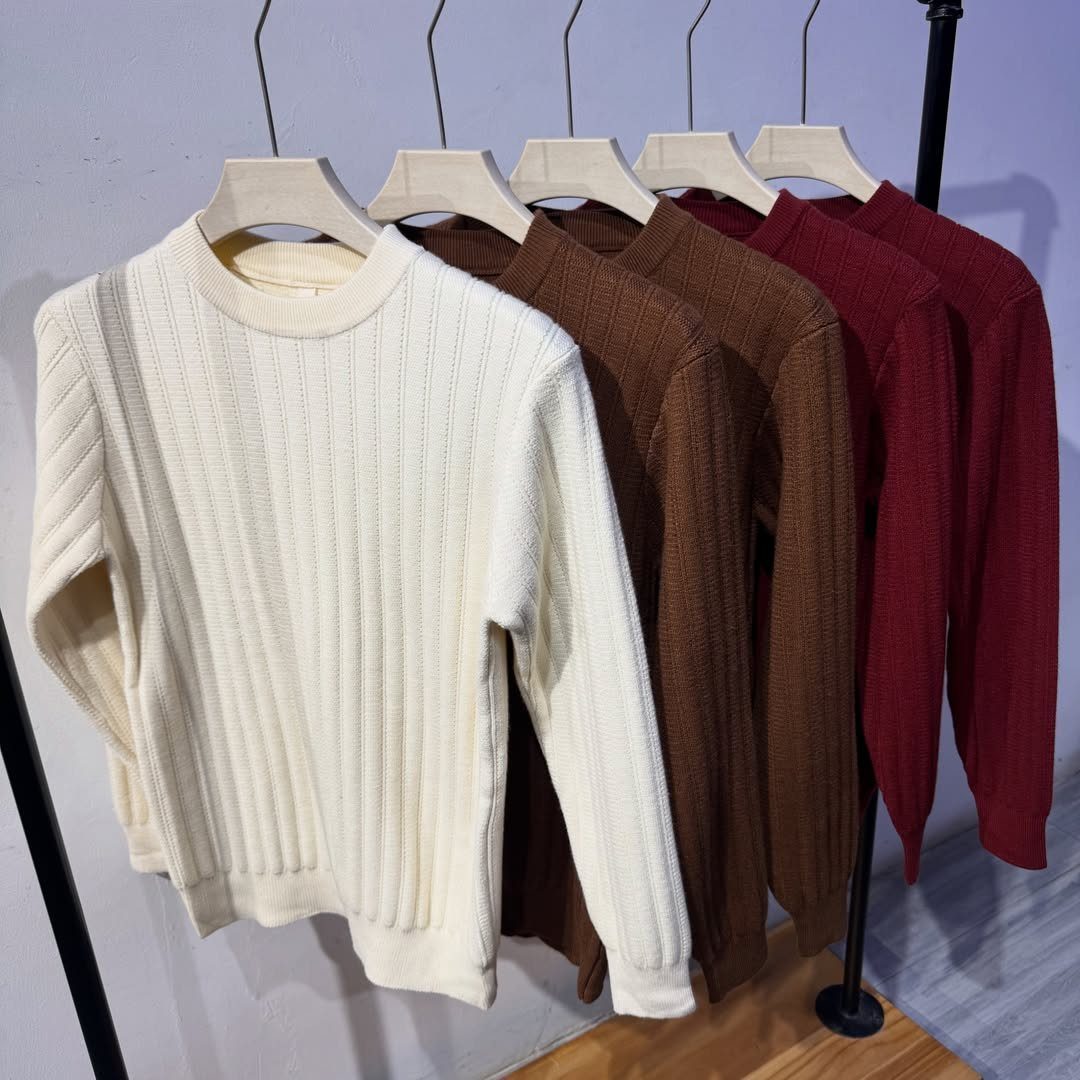
Ribbed knit sweaters in cream, brown, and burgundy are the workhorses that make a capsule feel full without adding bulk.
The vertical rib does something flat knits cannot: it creates a line that reads as structure even in a soft fabric.
I reach for merino or cashmere in a fine gauge, never chunky, because a sweater that fights your blazer sleeve is one you stop reaching for.
The earth tones here layer interchangeably; cream under a blazer reads crisp, burgundy alone reads intentional. Check that the shoulder seam hits where your own shoulder ends; a dropped seam on ribbed knit turns sloppy fast.
9. Neutral Capsule Clothing Rack
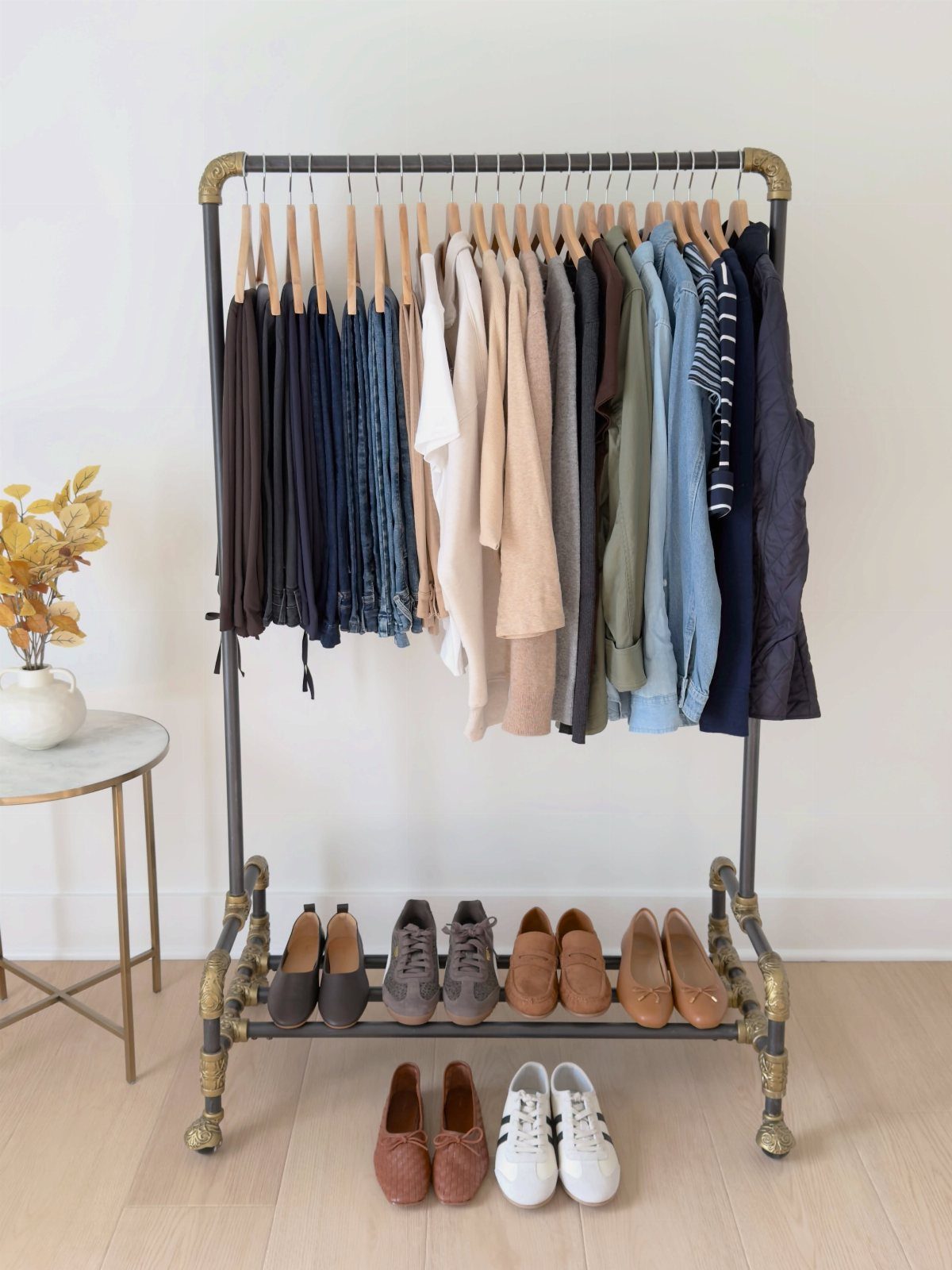
A rolling clothing rack in natural steel and wood turns your capsule into something you can see and rotate. The pipe frame here holds shirts and sweaters on matching hangers, with shoes below at the level you actually need them.
Neutrals on display make mixing obvious: beige, white, navy, and grey pair in almost any combination, which is the point of building this way.
I would keep the hanger style uniform; mismatched hangers break the visual calm that makes a small wardrobe feel sufficient.
The lower shelf or floor space is where loafers and sneakers live, ready to complete the outfit your eye has already assembled.
10. Casual Everyday Capsule Outfit
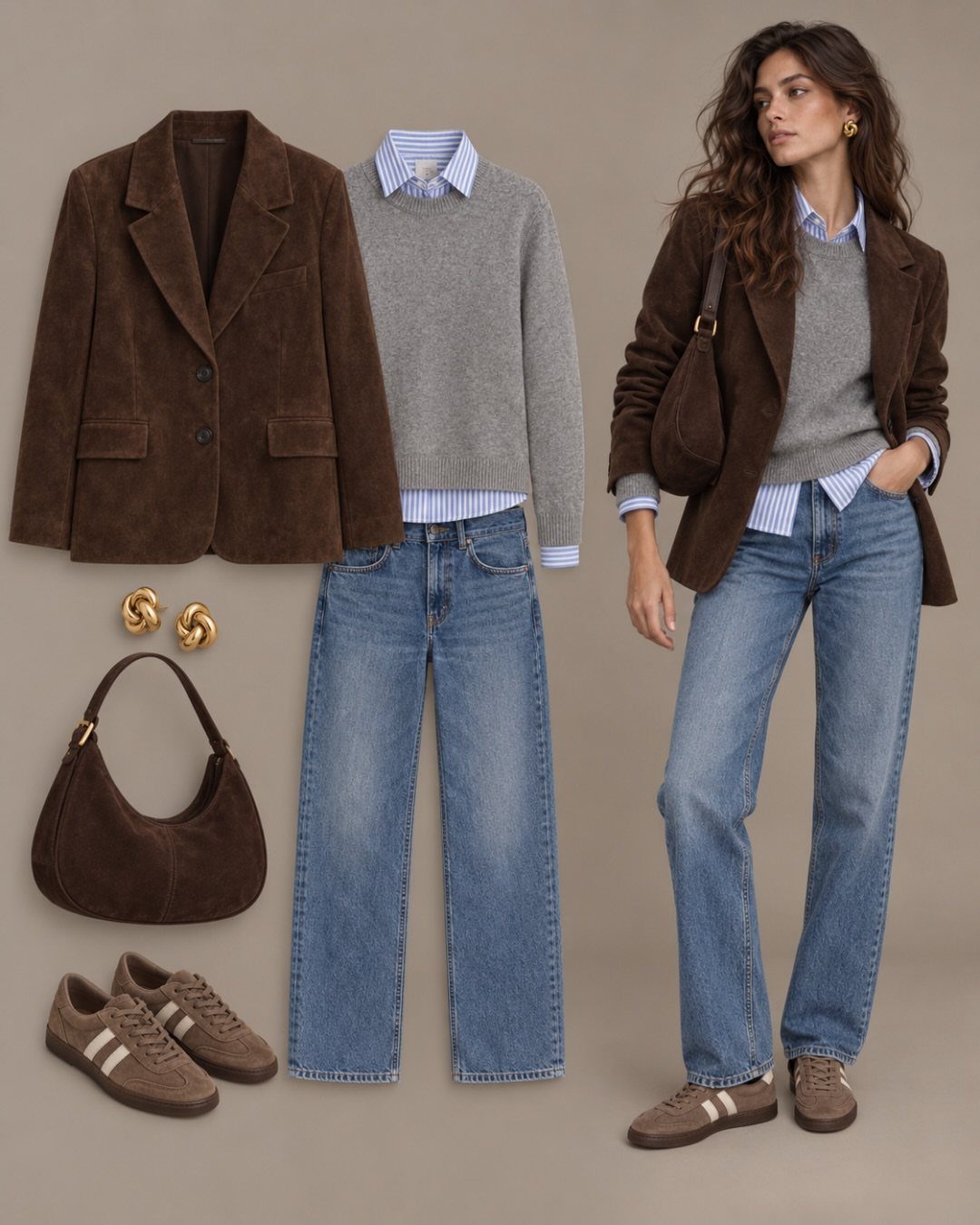
A casual capsule outfit built from wide-leg jeans, a grey crewneck, striped shirt, and brown blazer reads as one coherent look because the pieces share a muted palette and similar weight.
Layering order matters here: the striped shirt collar and cuffs frame the crewneck, and the blazer frames both.
I would check that each piece is thick enough to wear alone; a see-through base layer limits you to always wearing the full stack.
Neutral sneakers keep the grounding casual; swap them for loafers and the same pieces shift one notch dressier without changing anything else.
Benefits of a Capsule Wardrobe
A capsule wardrobe cuts the morning decision load to almost nothing. When every piece works with every other piece, you stop staring at a full closet feeling like you have nothing to wear.
The environmental side is harder to see but adds up fast. Buying fewer pieces means fewer garments sitting unworn with tags still on, fewer donations that never find a second wearer, and less fabric in landfills.
A capsule wardrobe does not eliminate clothing waste entirely, but it tilts your habits toward buying less and wearing what you own longer.
I also notice the mental space.
A small, visible wardrobe means I remember what I own. Nothing hides in back corners.
Nothing duplicates something I forgot I had. That clarity is worth more than the closet space it frees up.
Common Mistakes
The biggest mistake I see is treating someone else’s capsule as a blueprint. A template built around crewnecks and khakis will fail if your shoulders need a V-neck or your legs need a wider leg than standard cuts allow.
Body shape matters more than aesthetic cohesion.
Checking shoulder seams, rise, and break at the shoe matters because fit details determine whether a piece actually works on your body. A piece that fits the template but not your frame becomes the one you skip every morning.
Style preference is the other non-negotiable.
If you reach for bold color or texture in stores, a neutral-only capsule will feel like a uniform you were assigned, not one you chose. The goal is fewer pieces that all get worn, not fewer pieces that photograph well.
Who Should Try a Capsule Wardrobe
Capsules work best in 3 situations, and they are worth recognizing honestly.
Travel is the easiest entry point.
Packing for a week away already forces the question: what works together? A vacation capsule is just that thinking extended to your whole closet.
Seasonal shifts are the second natural fit. The number is flexible; climate and laundry habits move it up or down.
Life transitions are where capsules earn their keep.
Career changes, weight changes, moves to new climates, all of these leave a wardrobe that matched a life you no longer live. A capsule lets you rebuild deliberately instead of buying reactively.
They are not for everyone.
If you love variety, if you dress for mood rather than function, the limits will chafe. But if you have ever stood in front of a full closet and still resorted to panic dressing, the structure is worth trying.
Frequently Asked Questions
What is the 3-3-3 rule capsule wardrobe?
The 3-3-3 rule is not a framework I have used or seen widely applied in the capsule wardrobe guides I follow.
These are starting points, not rules to follow perfectly, and the number should flex based on your trip length or climate.
What should a woman have in a capsule wardrobe?
The core pieces I keep coming back to are a white button-down shirt, tailored trousers, a blazer that holds its shape, a little black midi dress, and shoes that work from morning to night.
Each piece has to pair with at least 2 others, and fit details matter more than the item itself: proper collar stands, correct rise, and shoulder seams that hit where your own shoulder ends.
My article above breaks down why these specific pieces earn their spots and what to check before buying.
What is a travel capsule wardrobe?
A travel capsule is a small collection of pieces packed so that every item pairs with at least 2 others, letting you build outfits for different activities without hauling your whole closet.
A single pair of pants can sit on a plane at 8 a.m., walk a museum at 2 p.m., and sit down to dinner at 8 p.m. if the top half changes.
Travel capsules work when every piece earns its spot in the suitcase, not when it might get worn.