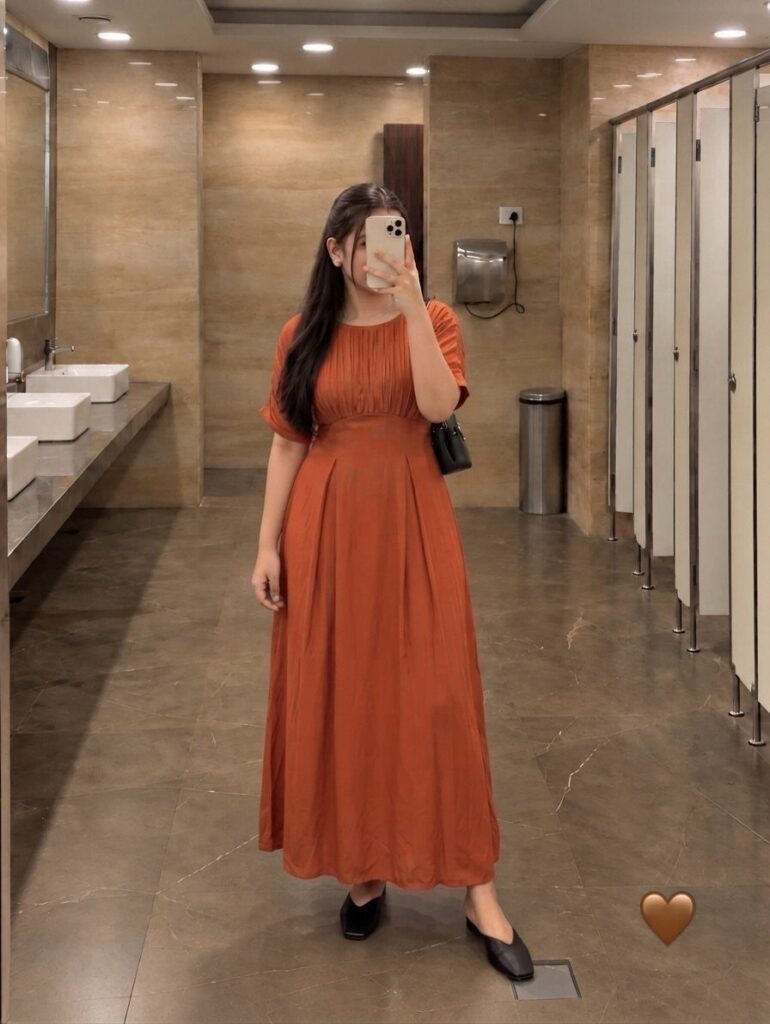
These 7 ideas run from a single thrifted piece to a full head-to-toe look, and the deciding factor is how much structure your day demands.
A vintage suede trench over jeans works for coffee and errands; wide-leg trousers with a tailored blouse is what I reach for when a meeting appears on my calendar without warning.
1. Vintage Clothing Ideas
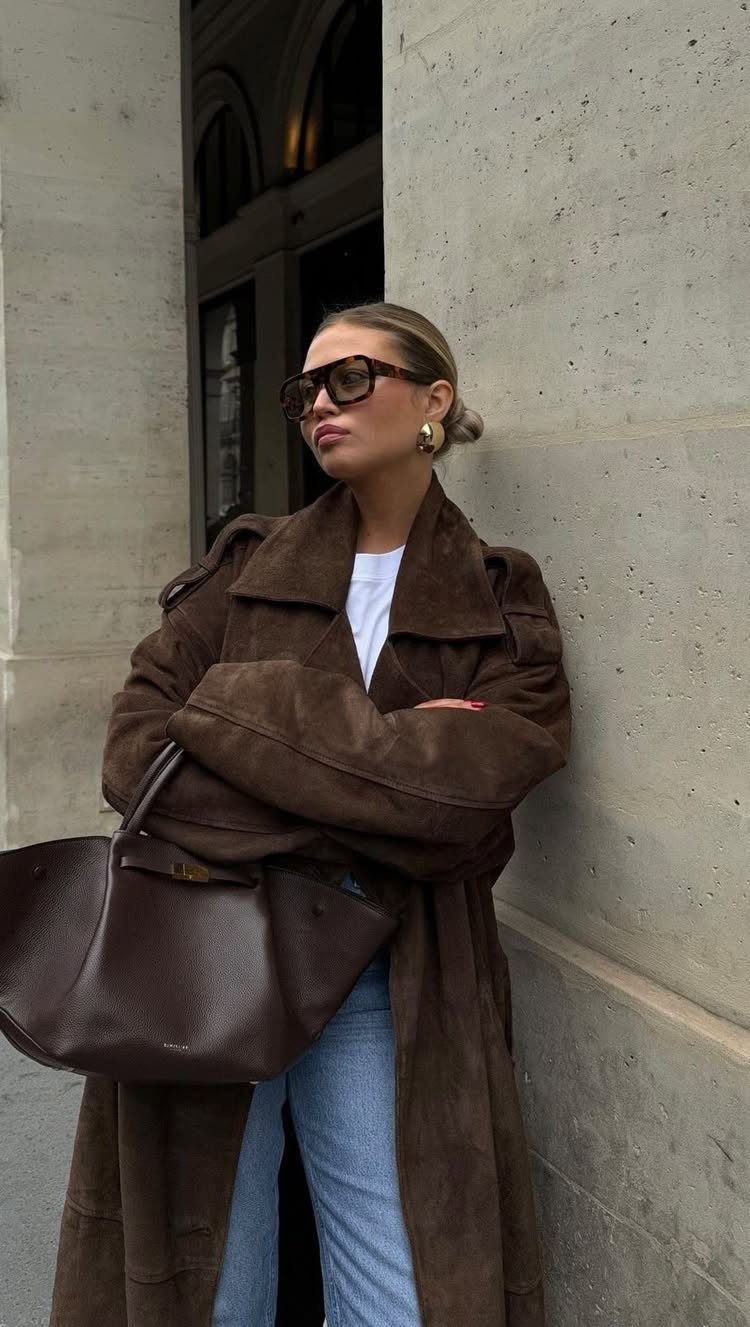
A brown suede trench thrown over jeans and a white tee is how I like to wear vintage now: one piece that carries the story, everything else clean and current.
The 20-year mark means Y2K counts too, so a baguette bag or a logo-heavy tee from the late 90s clears the same bar. I keep it to a single vintage item per outfit so it reads intentional, not costume.
A mesh top with wide-leg denim and platforms works; a velour tracksuit with butterfly clips is where I draw the line. Build around the piece, don’t disappear into the era.
2. Sweaters with High-Waisted Jeans and Ankle Boots
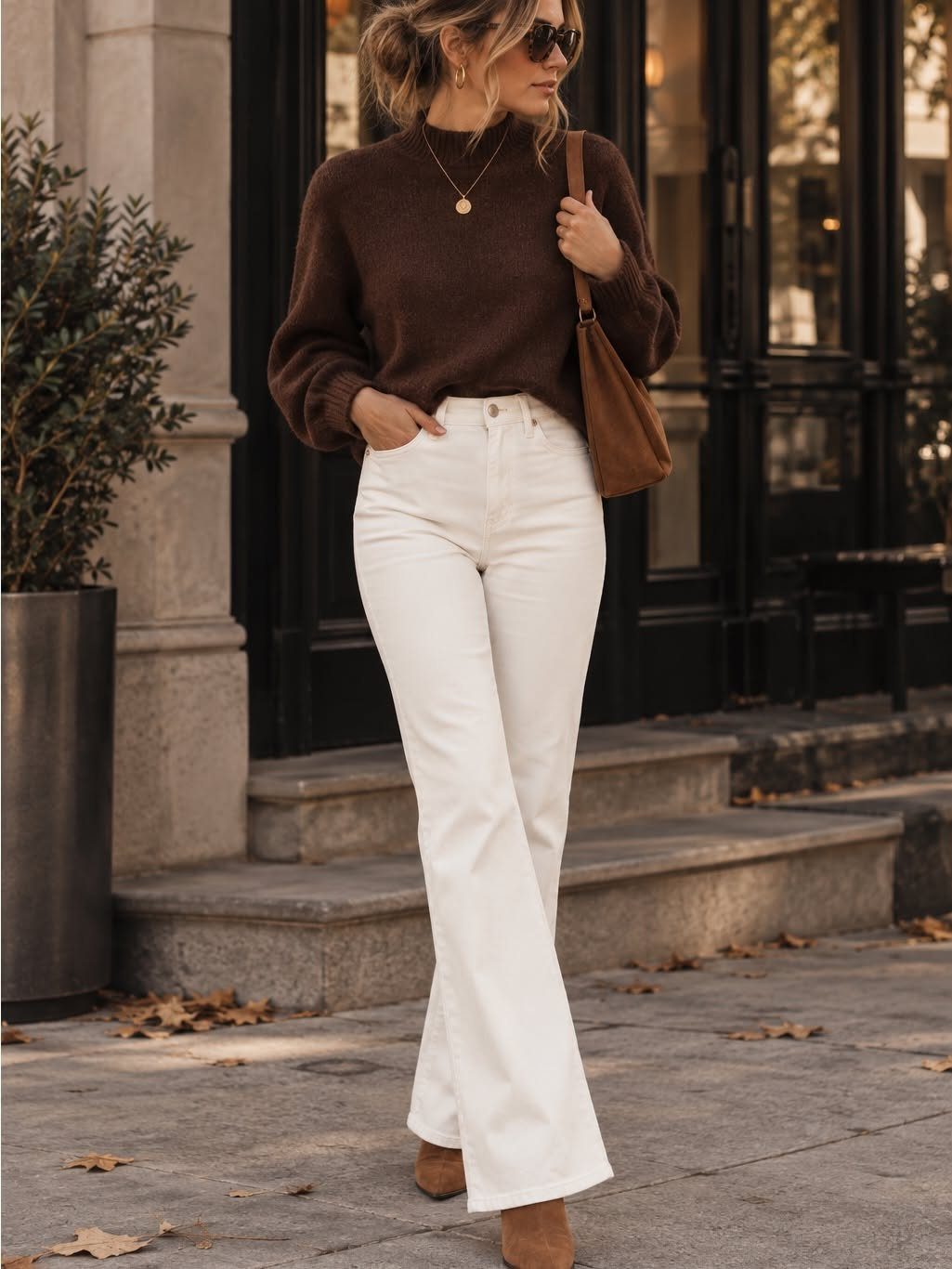
This combination has rescued more November mornings than I can count. A warm knit tucked or half-tucked into high-waisted jeans keeps the waist defined while the boots add enough polish for errands straight through to dinner.
I reach for pointed-toe ankle boots over round when I want the leg to look longer, since the high waist already does most of that work.
The hem should hit at or just above the boot shaft; anything pooling around the ankle breaks the line. Brown on brown, or cream knit with white denim and tan boots, both feel pulled together without trying.
3. Minimalist Clothing Style
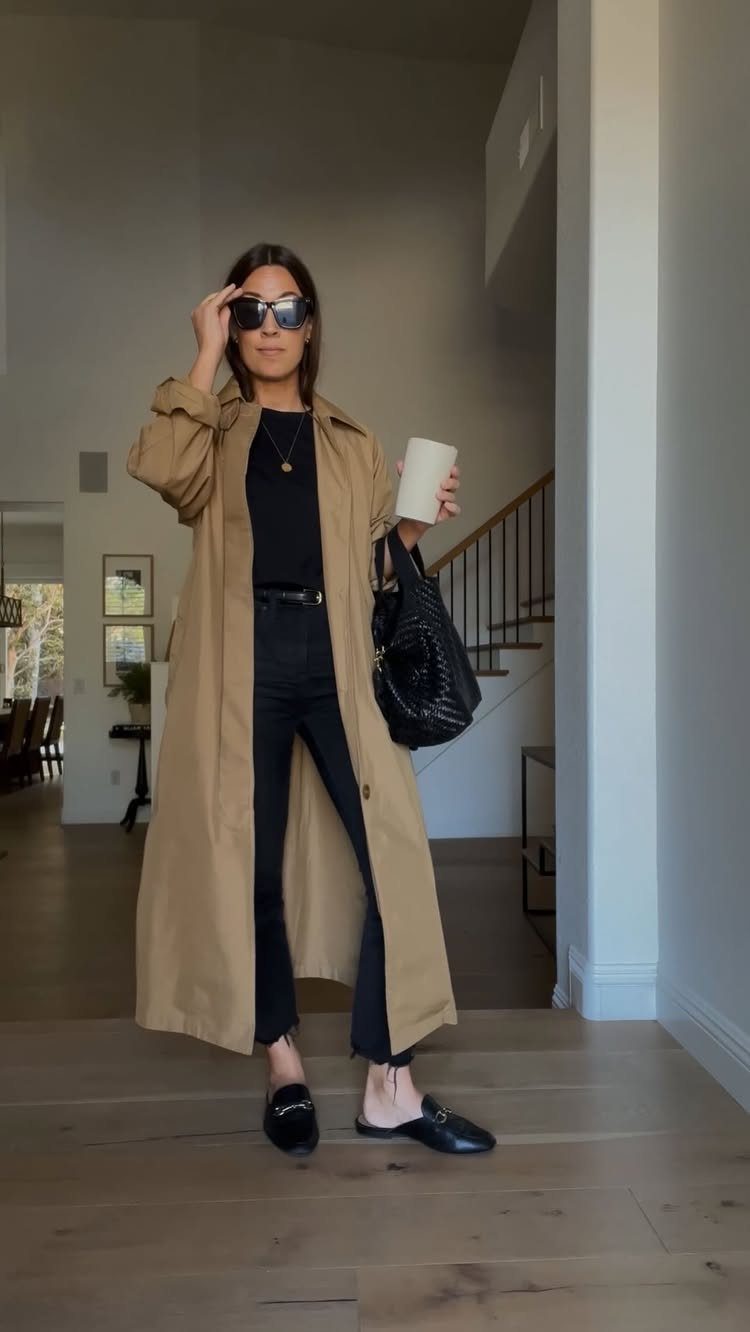
White shirts that wash well, trousers with a clean crease, and nothing that needs explaining.
A minimalist wardrobe runs on pieces that talk to each other, so I buy in a tight palette and vary the cut instead of the color.
A trench, a black top, cropped pants, loafers: each item earns its place by working across 3 outfits at minimum.
The trap is buying basics that are too basic, so I check that the shoulders sit right and the fabric has enough weight to hold its shape. Fit is what makes simple look considered rather than leftover.
4. Baggy Clothes Style
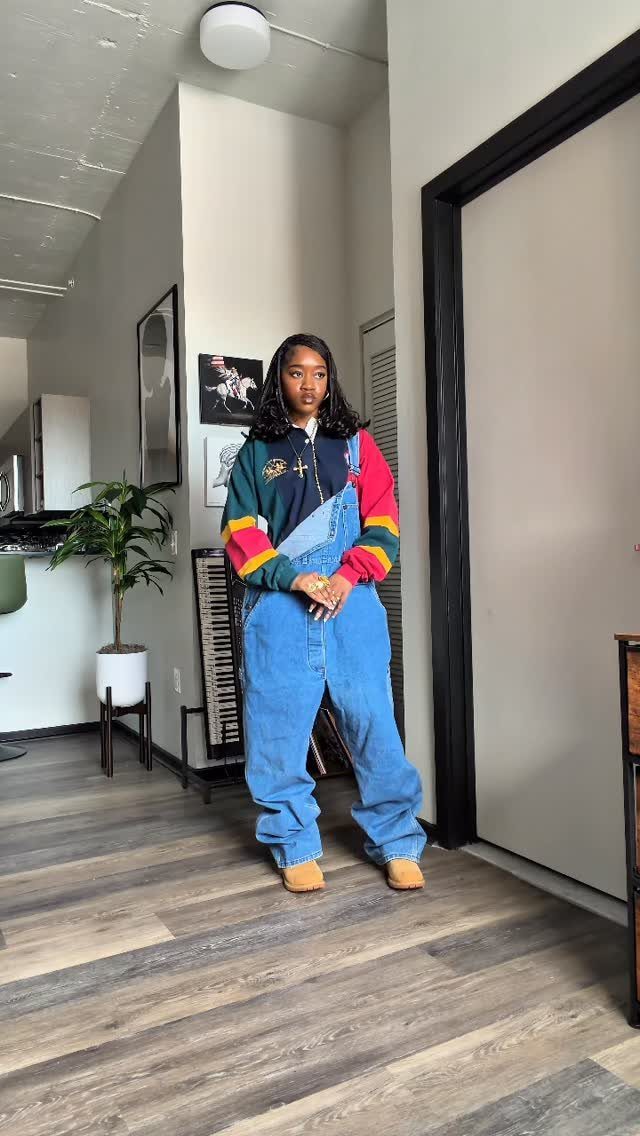
Loose through the torso and hip is comfortable; loose everywhere without structure is where I start looking like I wore my laundry bag out.
I anchor baggy denim overalls with boots that have some heft, and I layer a fitted tee underneath if the overall cut is truly oversized.
Chunky sneakers or combat boots give the eye something solid to land on. A polo sweatshirt and tan boots balance each other: color where the fit relaxes, weight where the pant pools.
I check the shoulder seam on oversized tops; if it hits my elbow, I size down or tuck the front to create a line.
5. Dark Aesthetic Clothing
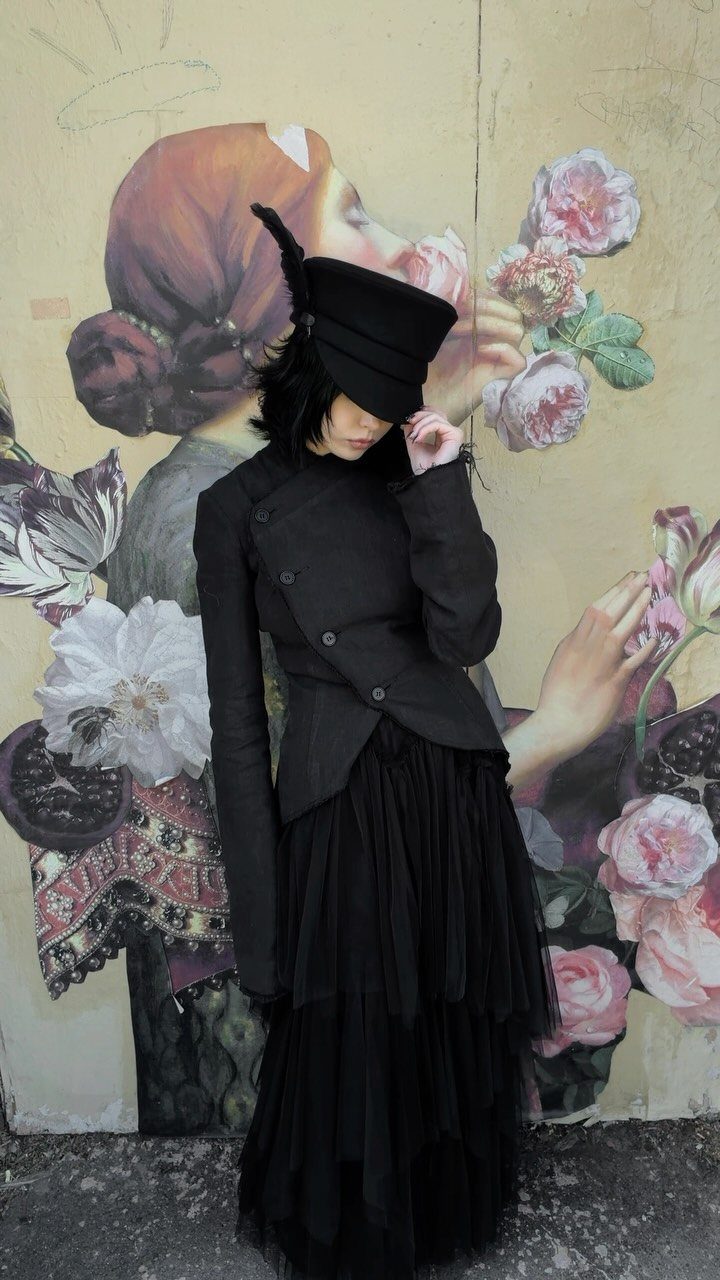
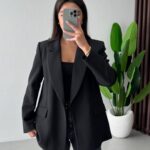
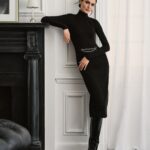
All-black layering reads intentional when the textures vary: a fitted jacket against a ruffled skirt, matte against something with sheen. I build this look with pieces I already own, since the color does the unifying.
A feathered cap is one route; I would probably skip it and let the jacket tailoring do the talking. Black jeans need to be the right wash, not grayed out, or the whole outfit goes flat.
6. Trousers and Tailored Blouses
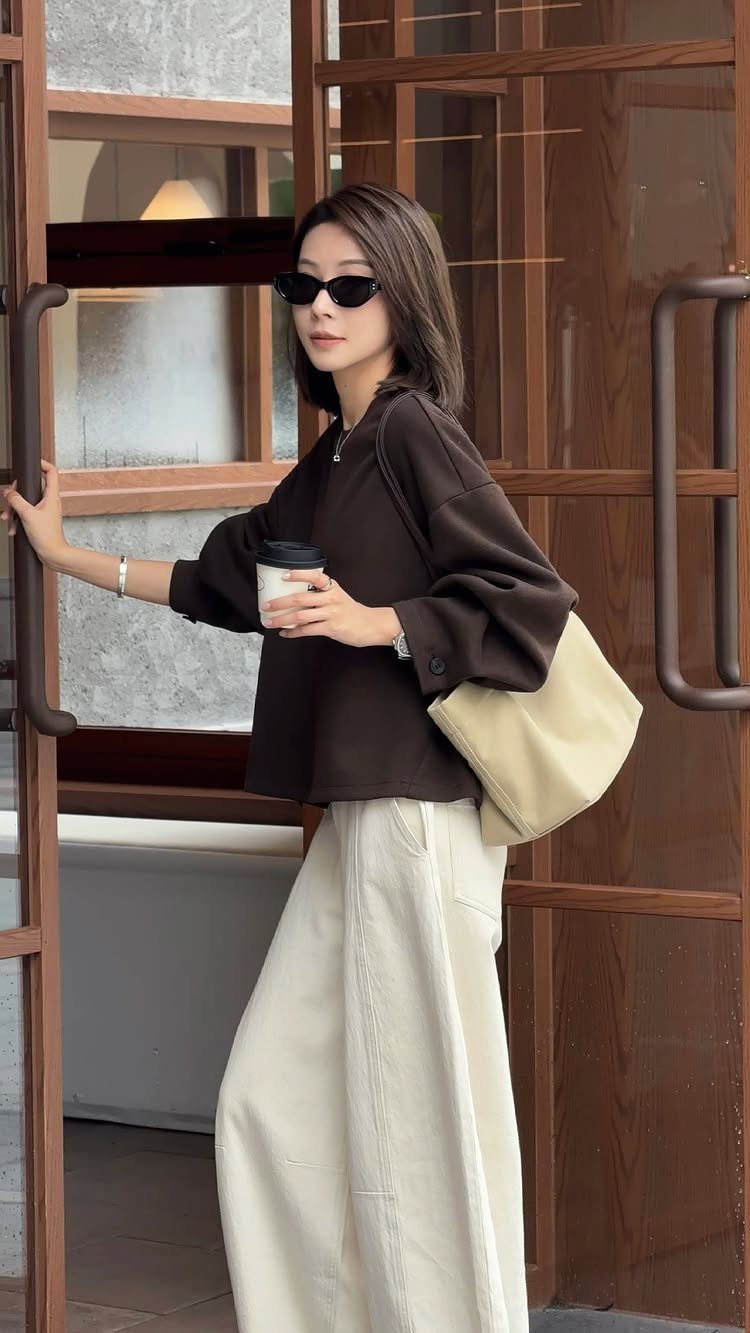
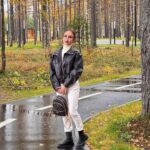
Wide-leg trousers with a blouse-jacket in a dark neutral is my shortcut for mornings with a meeting I didn’t have time to dress for.
Cream trousers against dark brown work because the values contrast enough; two mid-tones would blur together. I hold the waist with a belt or a tucked or cropped top so the volume doesn’t swallow my shape.
A shoulder bag in a lighter shade keeps the eye moving up. This is where I invest in fabric that doesn’t crease across the seat, since the wide cut shows every wrinkle.
7. Oversized Sweater and Denim Skirt
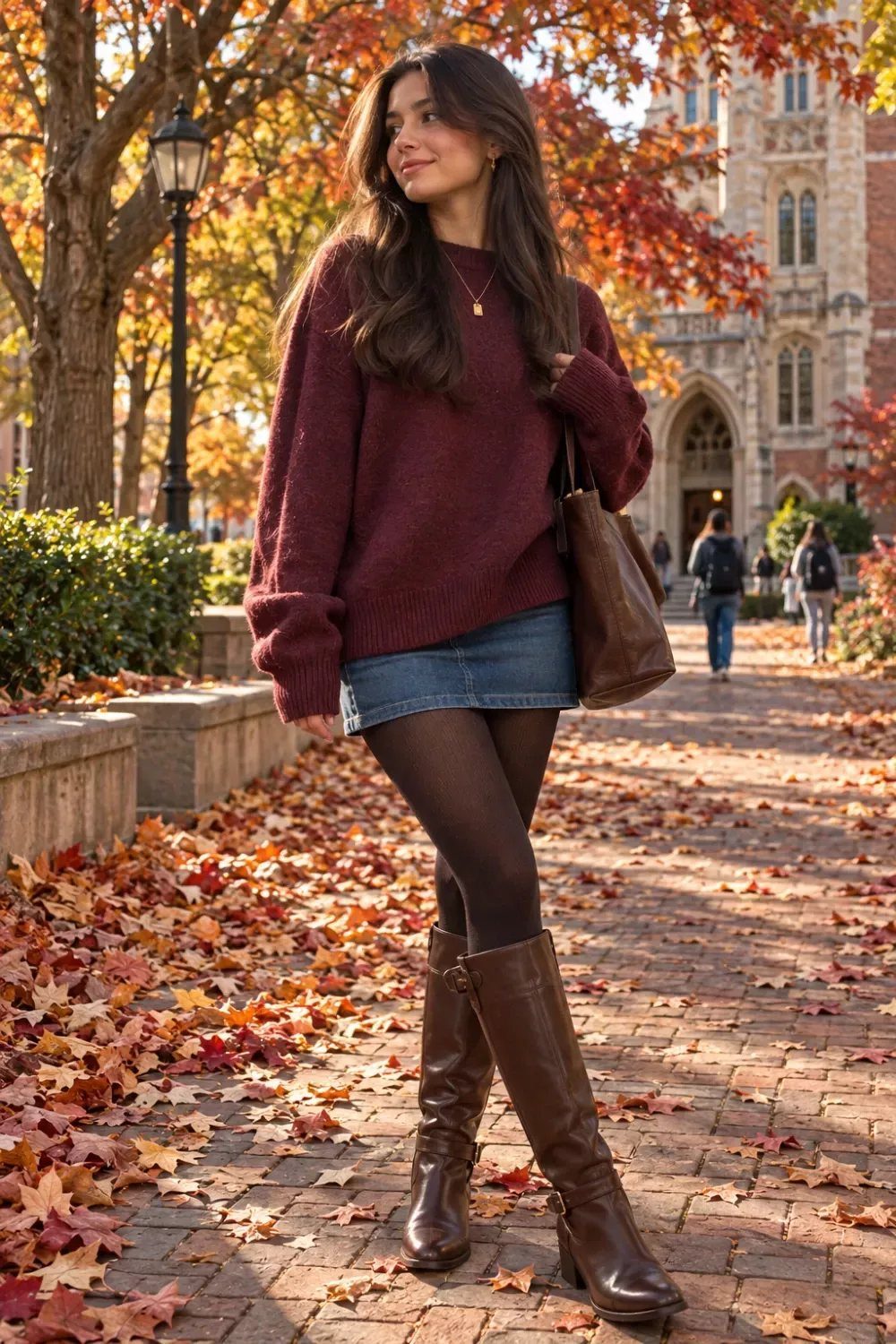
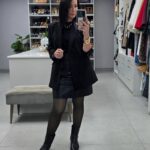
Chunky knit over a short denim skirt is the simplest way I know to make tights feel like an outfit rather than a practicality.
The sweater needs weight enough to hold its shape off the shoulder or enough length to half-tuck; anything in between flops.
I check that the skirt hem clears the top of my boots by at least a hand width, or the whole leg goes blocky.
Dark tights and tall boots in the same value keep the eye moving up to where the textures actually differ. Maroon against light denim is one route; chocolate brown against a lighter wash is another I would probably wear more.
For campus runs or Saturday markets, this trades some warmth for mobility. A longer coat over the top solves that in December.
Current Women’s Clothing Trends
Late-90s and early-2000s pieces have now crossed the 20-year mark most sellers use to call something vintage, so Y2K lands in the same bin as older eras.
Baguette bags, low-rise denim, mesh tops, velour tracksuits, butterfly clips and logo-heavy tees all qualify. More than one Y2K piece and I start looking like I am attending a themed party.
Going full decade with any era turns vintage into costume even when every piece is genuine. Balance the extreme silhouettes vintage often runs to with something modern in cut.
Fashion Styling Tips
A piece that hangs badly will not get worn, so fit comes before era or label. Vintage sizing runs differently from modern, and "close enough" is not close enough without alteration.
Ignoring proportion is the mistake I see most. Very wide legs need a fitted top to anchor them.
Big shoulders need slim bottoms so the silhouette does not overwhelm. Tiny waists on a dress mean the skirt volume needs to be balanced with heel height, not flats.
I never buy damage I cannot fix.
A loose thread or missing button is one thing; fabric that gives under gentle tug is another. Discoloration that has set for decades does not shift.
Hoarding fills closets without filling gaps.
I choose one piece at a time, wear it three ways, then decide what is missing. The collection grows slower but gets used.
Layering vintage with modern builds depth without building a costume.
A 70s silk scarf with a plain white shirt and jeans reads as personal style; the same scarf with a wide-lapel blazer and flares reads as period piece. The line is thin and worth watching.