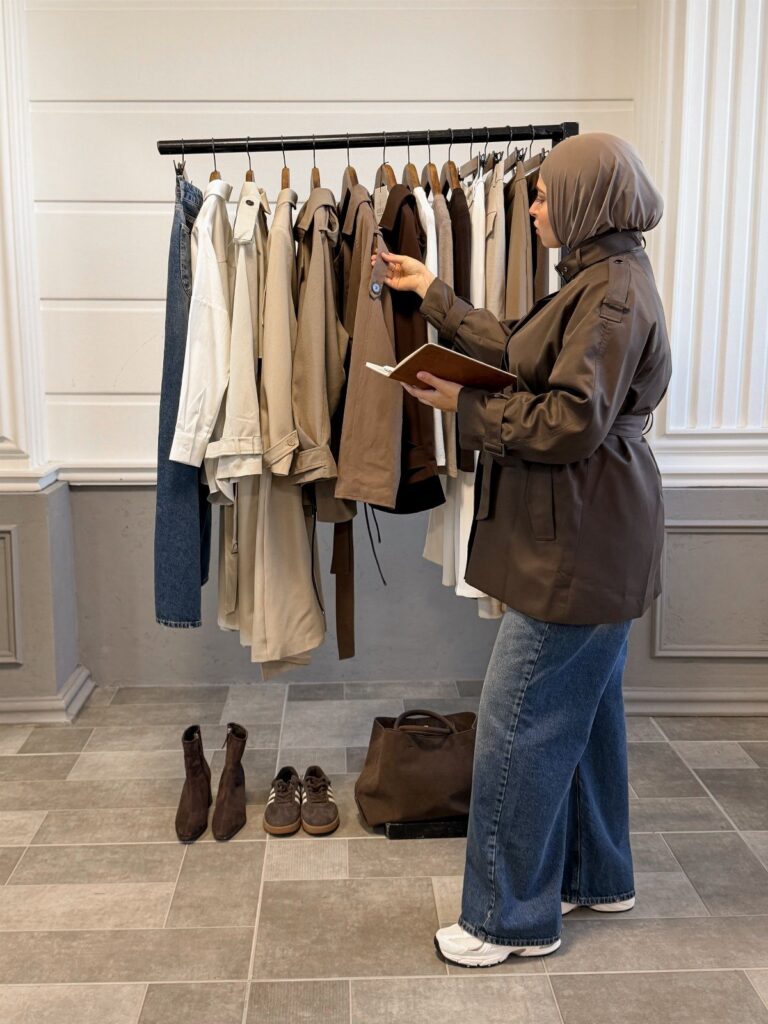
This autumn capsule wardrobe 2026 mixes investment pieces with more accessible finds, and the range is wide enough that you can prioritize where to spend based on what you already own.
The deciding factor is your October weather: if your mornings still feel like summer, you will reach for the shacket and layer pieces first; if they already turn raw, the versatile coat and turtleneck become your daily uniform.
I photographed 20 combinations before committing, and the one that kept surfacing was the camel blazer over a thin knit with wide-leg trousers: a proportion that only works if the shoulder seam sits slightly past your natural bone.
1. Versatile Coat
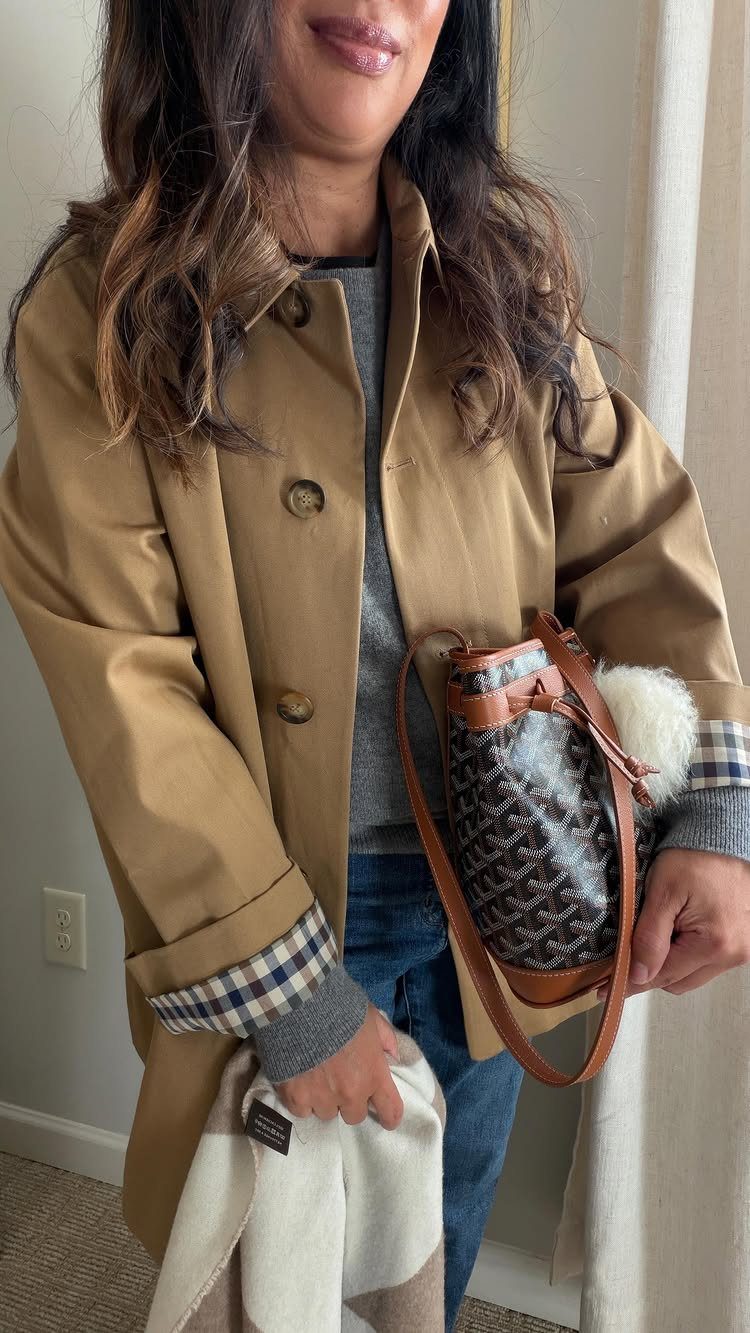
A beige trench coat in gabardine weave handles October mornings without turning into a sauna by noon.
I look for the storm-flap detail and a cut that clears wide-leg trousers underneath; the double-breasted shape keeps the line long even over bulky knits.
For warmer states or the gap between seasons, this weight beats wool, which I save for January.
A neutral shell goes over everything you already own; look for a fun plaid cuff lining if you want one detail that shows when you turn the sleeve back.
2. Midi Skirt
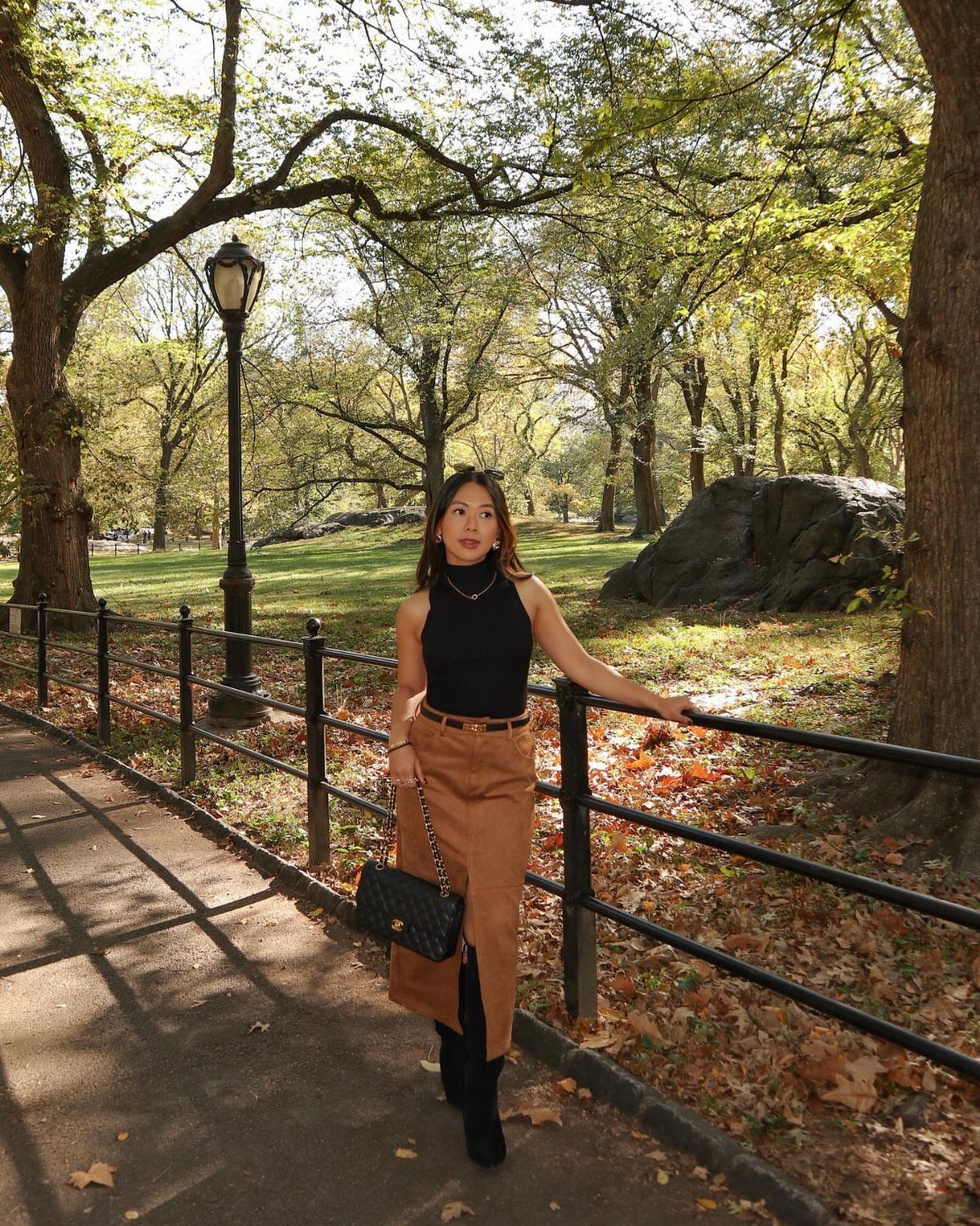
Silk-satin midi skirts read evening but work all day if you pair them right.
I like the weight of a premium blend for autumn; it moves differently than summer chiffon and holds up against boots without looking season-confused. A side slit adds walking ease and draws a vertical line that helps with proportion.
For daytime, I throw an oversized chunky sweater on top and let the waistband sit slightly low; the contrast between slouch and polish is what makes it feel current rather than office-bound.
3. Ankle Boots
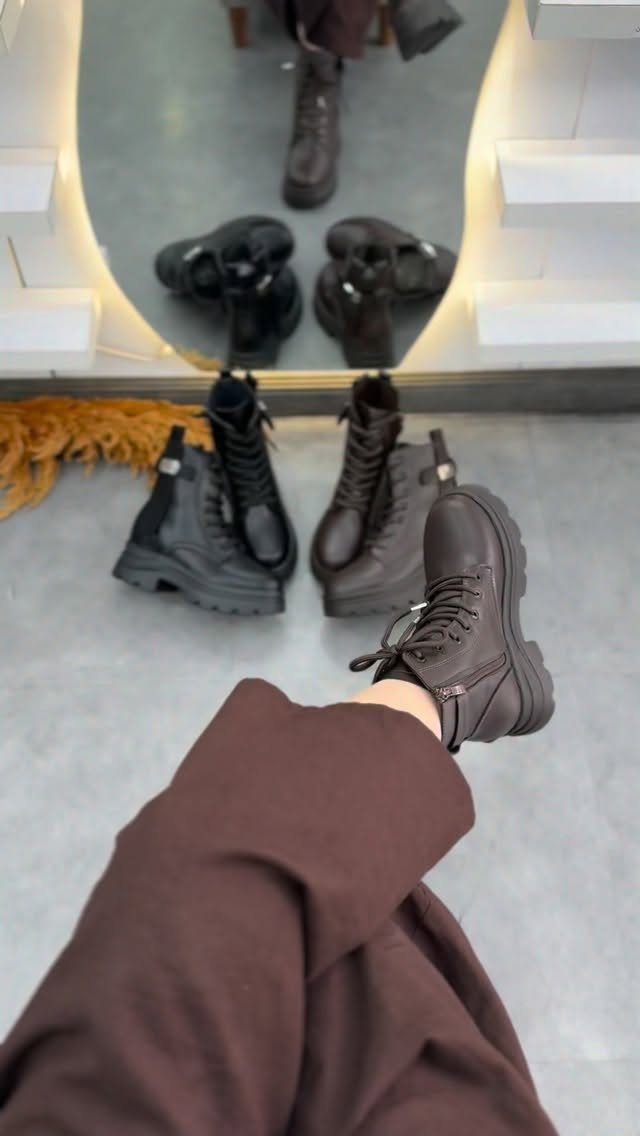
Lug soles have become my default for autumn because they handle wet leaves and uneven sidewalks without the clomp of full winter boots.
Leather or suede in tan, brown, or black gives you the most return; I own pairs in two of those three and reach for the brown more than I expected.
Ankle height, not mid-calf, lets trousers break cleanly or tuck without bunching. Check that the pair you choose handles water; soaked suede on a Monday morning is a mistake you make once.
4. Cozy Cardigan
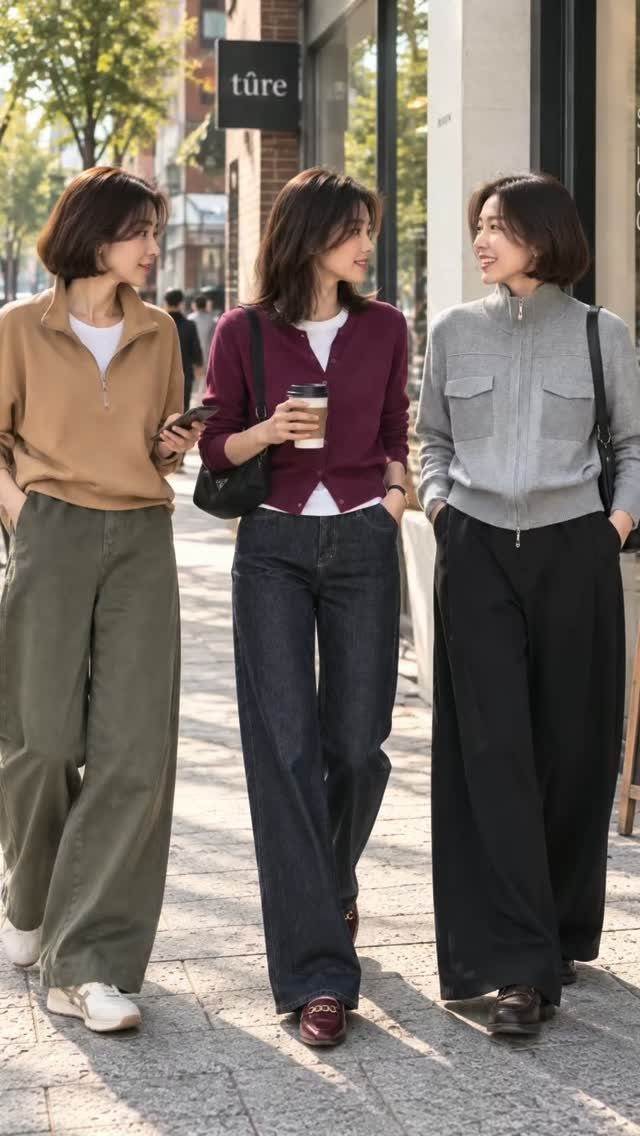
Cardigans solve the coffee-shop-to-cold-sidewalk problem better than any other layer because they come off without pulling your whole look apart.
I prefer long, relaxed shapes for weekend wear and shorter, neater ones when I need to look intentional at a meeting; both approaches work even within the same friend group.
A neutral shade, cream or oatmeal or soft gray, means it lives on the back of my chair and still matches whatever I grabbed that morning.
Natural fibers matter here: wool or cashmere hold warmth without the static that makes synthetics feel cheap by November.
5. Layer Pieces
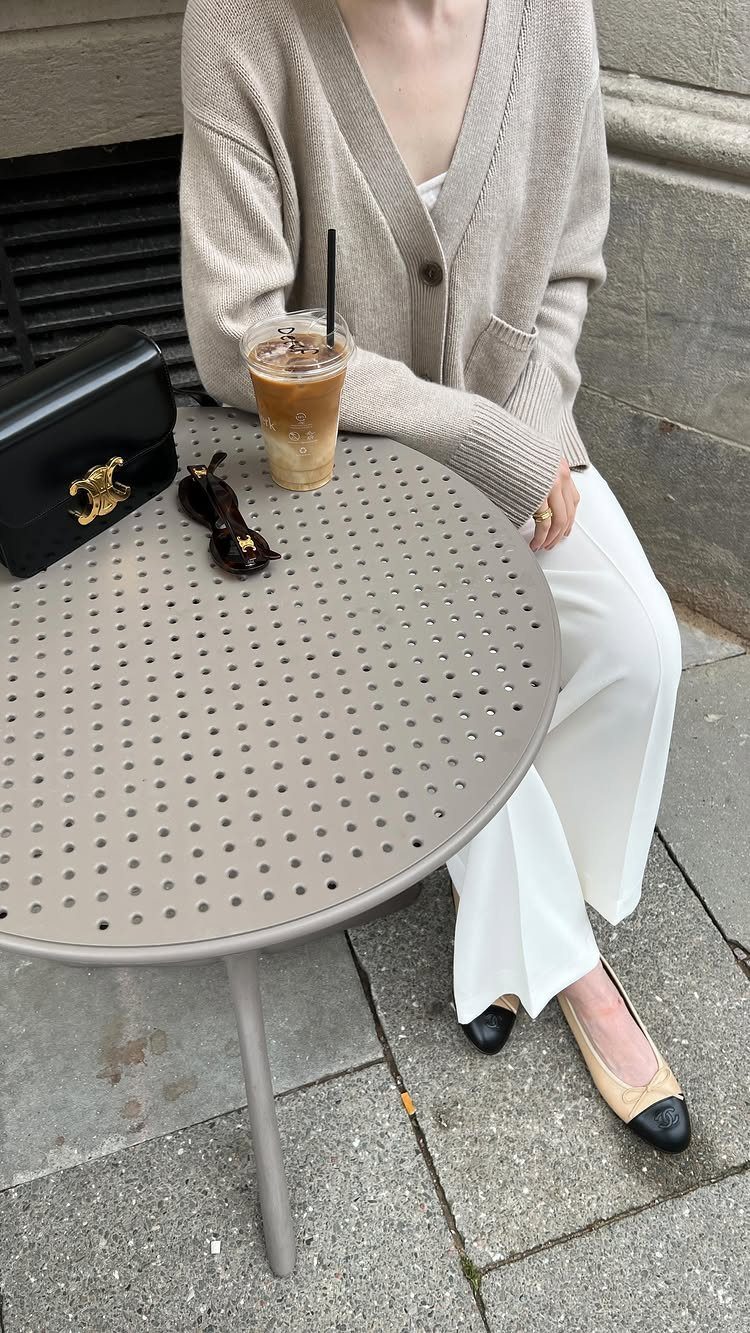
Layering for autumn is really about 3 temperature bands: mornings that still feel like summer, afternoons that swing hard, and evenings that turn rainy and raw.
A cardigan and white trousers handle the first 2 layers; I would add a light waterproof folded in the tote for the third.
The creator of this look built 5 ways to style black pants from the same logic, starting with pieces that each work alone so you are never stuck with too much or too little.
Build your own set the same way: every piece must earn its place in at least two of those three scenarios.
6. Turtleneck
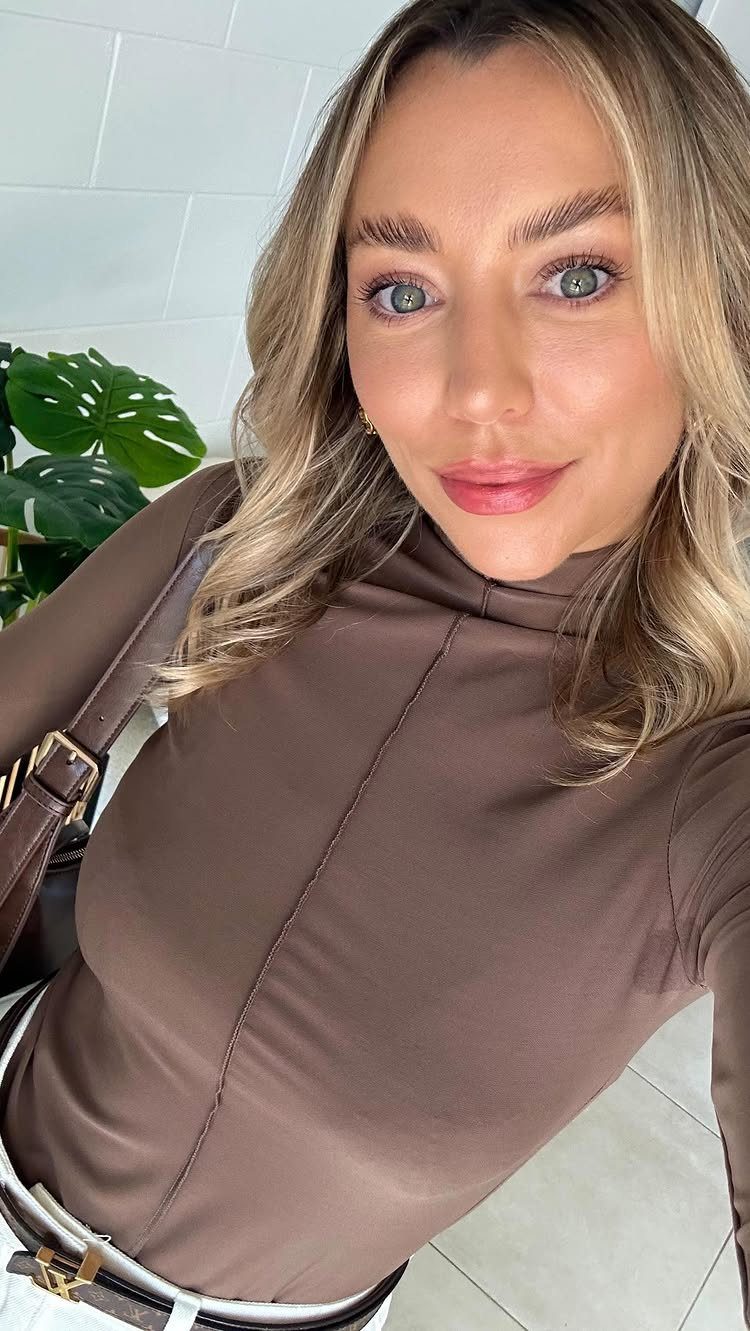
A turtleneck in cream, beige, gray, or black functions as both shirt and underwear for your outer layers.
I wear mine solo with a good belt and trousers when the look needs to hold its own, or let it disappear under a blazer when the jacket is the point.
A mock-neck version sits lower and reads slightly less severe; I find it better for round faces or for days when I do not want to feel enclosed.
Jewel tones work too, but I would buy the neutrals first: they are the ones you will reach for on a rushed Tuesday morning with no plan.
7. Tote Bag
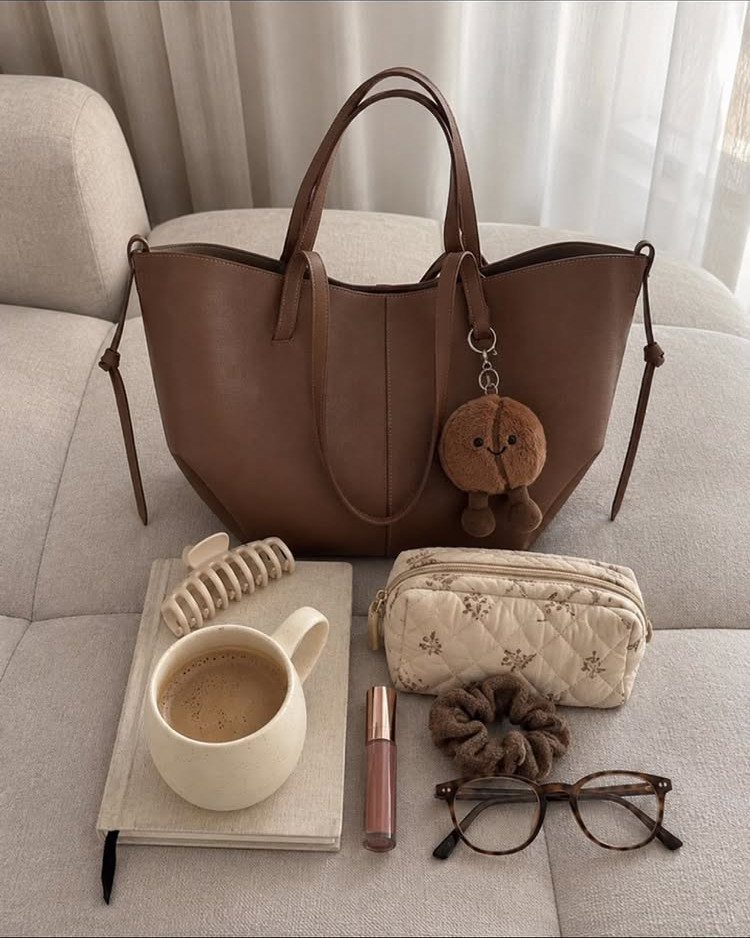
A leather tote in chocolate or burgundy carries the whole day without looking like you are headed to the gym.
I look for a shoulder drop long enough to fit over a blazer and a base that sits flat when you set it down.
The open top is the tradeoff; I add a small quilted pouch inside for keys and lip gloss so they do not disappear.
DeMellier’s New York Tote has the structure I mean, though any full-grain leather version with reinforced straps will outlast a season of laptop commutes.
8. Classic Camel Blazer
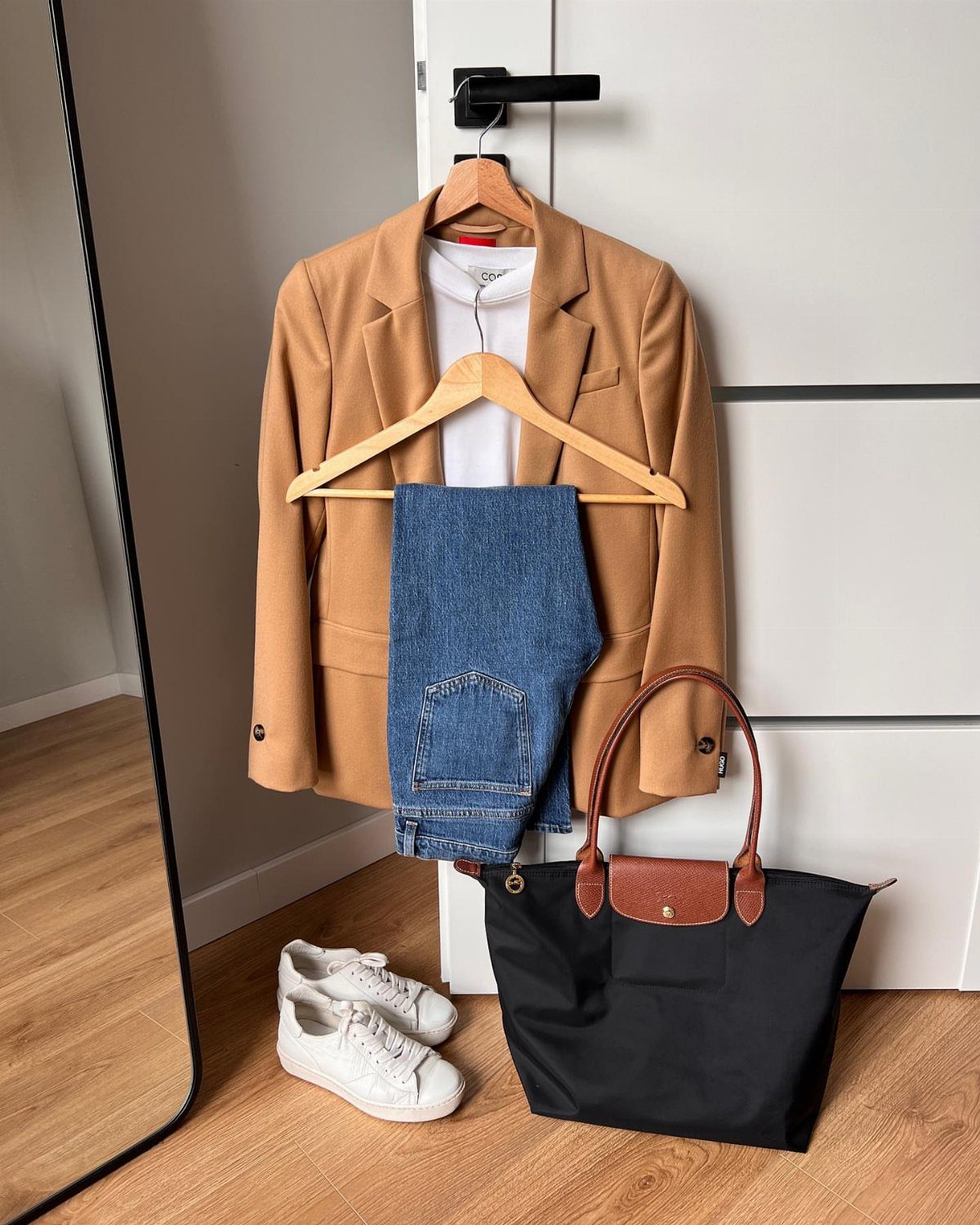
Mid-weight wool in a boxy drop shoulder lets you layer a thin knit underneath without the sleeves turning into a wrestling match.
Camel reads warmer than navy and bridges forest green trousers and cream silk equally well. I reach for mine on days when a meeting follows school pickup and I need one piece to do both.
The lining matters more than people think; a smooth interior slides over chunky sleeves instead of catching and bunching. Check that the shoulder seam sits slightly past your natural shoulder for the current shape without crossing into costume.
9. Everyday Knit Vest
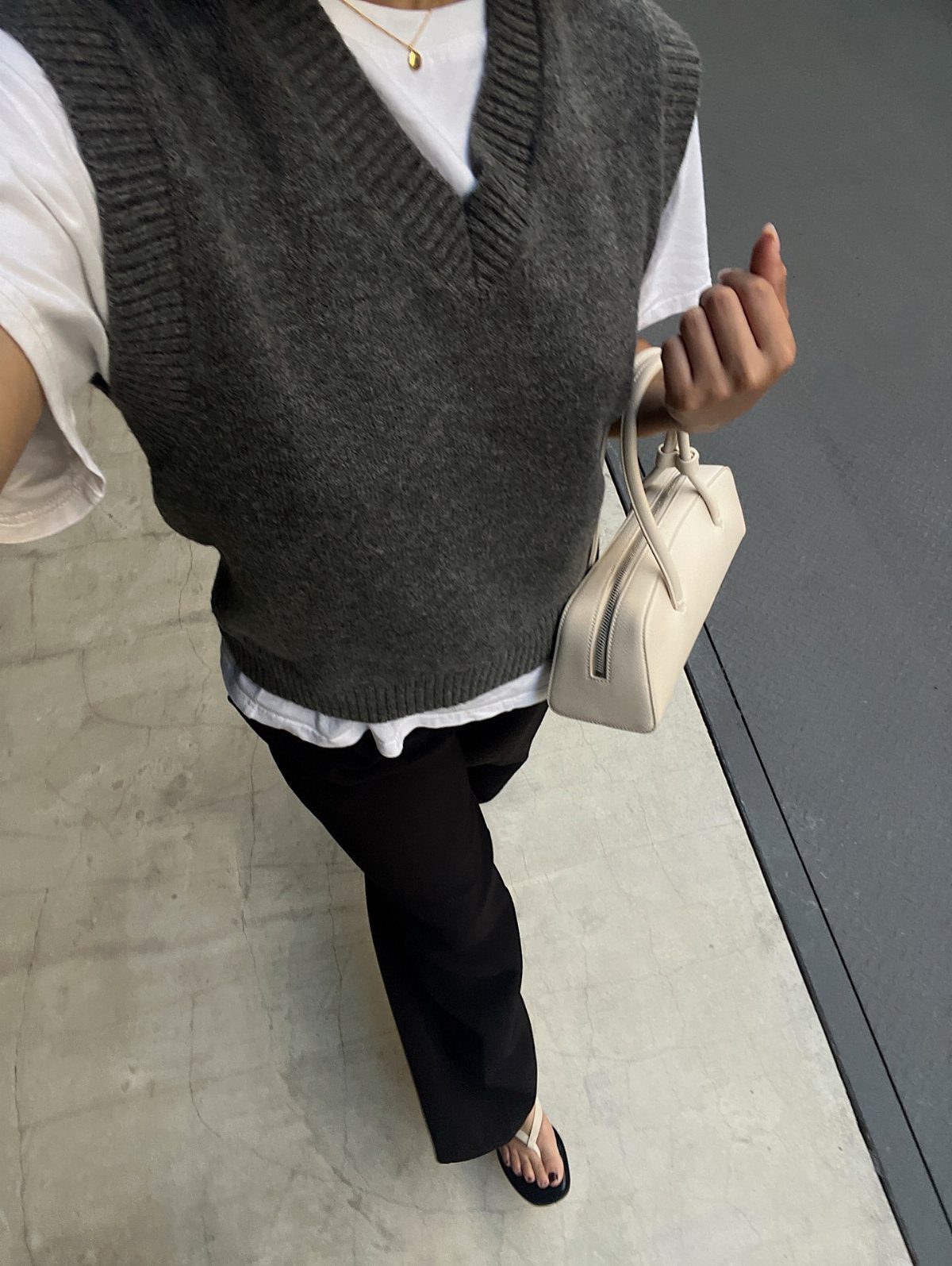
A charcoal knit vest adds warmth to your core without the bulk of a full second sweater, and the armholes let a crisp white shirt stay visible underneath.
I wear mine over a fitted long-sleeve tee for weekends or a button-down when I need to look like I planned the outfit.
The V-neck line elongates what a crewneck would shorten, which matters if you are petite. Cotton or merino blends handle the washing machine; cashmere here feels precious in the wrong way and pills where the bag strap hits.
10. Relaxed Wide Leg Trousers
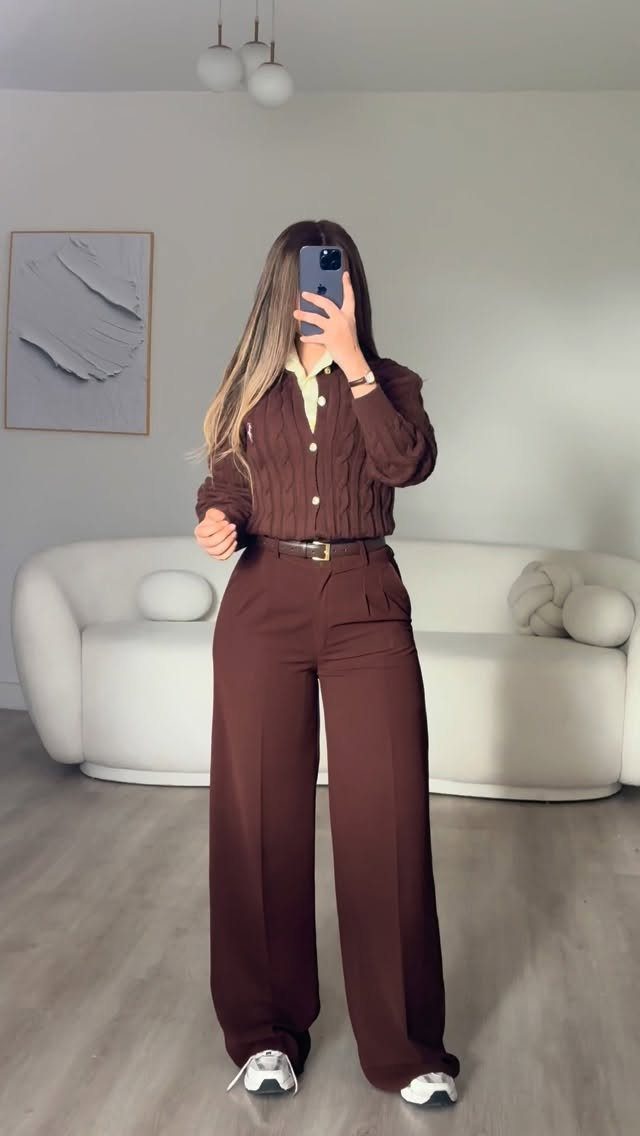
Wide-leg trousers in beige or camel give your legs room to breathe after months of skinny denim without looking like you gave up.
The high waist and flowing line balance a chunky cardigan on top; I add a belt to anchor the waist and keep the silhouette intentional.
Pockets that lie flat are the detail I check first, since bulk at the hip ruins the line these are meant to create.
They pair with sneakers for travel days or loafers when you need to look pulled together without the stiffness of tailoring.
11. Essential Striped Top
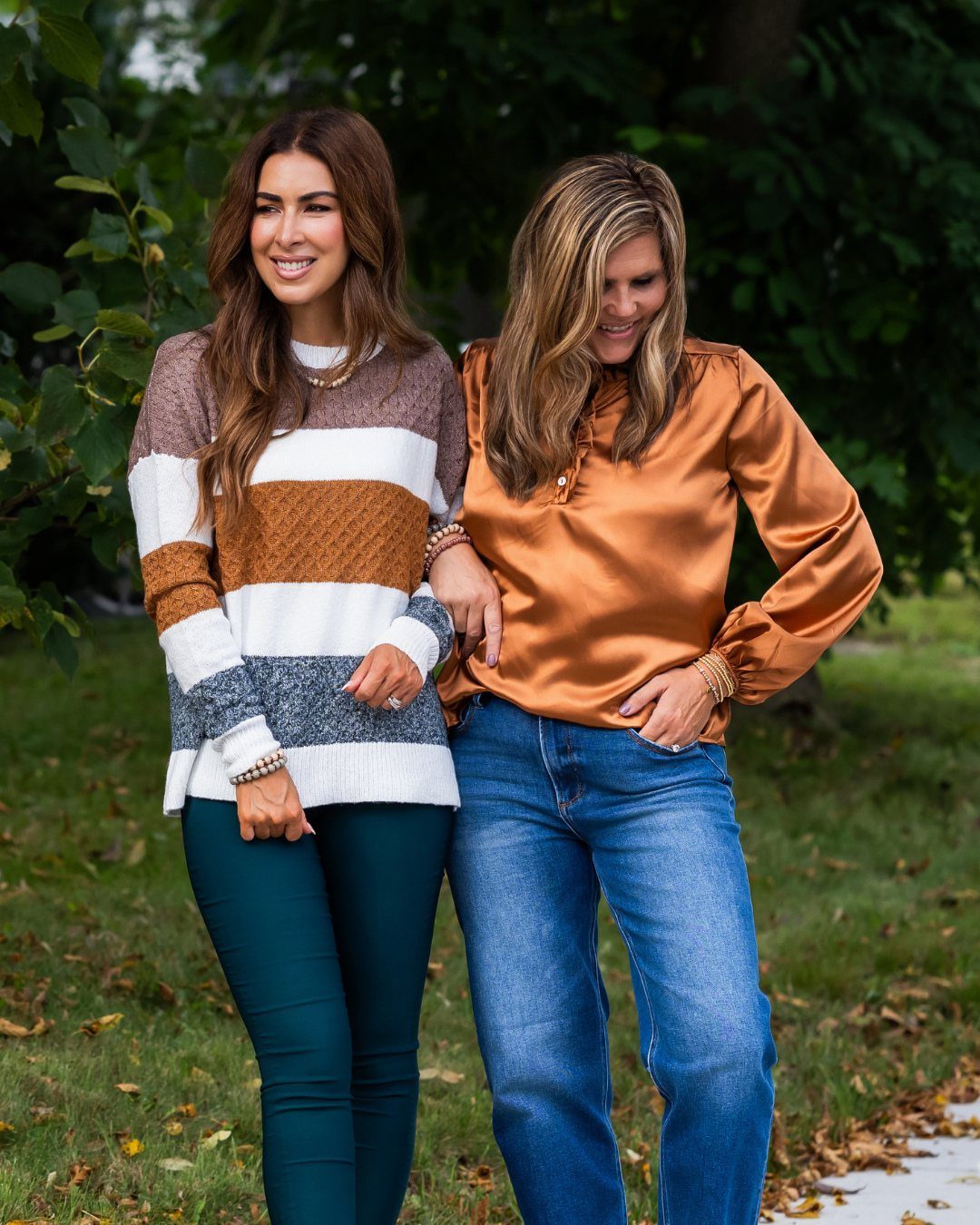
A striped top does the work of a statement piece while still letting the rest of your outfit relax.
I wear mine under a camel blazer or a trench coat when the pattern needs to stay visible at the collar and cuffs; the horizontal line actually reads as structure, not chaos, if the stripes are narrow enough.
Teal or copper in the stripe picks up autumn tones without the heaviness of solid jewel colors. Cotton jersey holds the shape through washes better than linen here; save the slubby textures for June.
12. Plaid Shacket
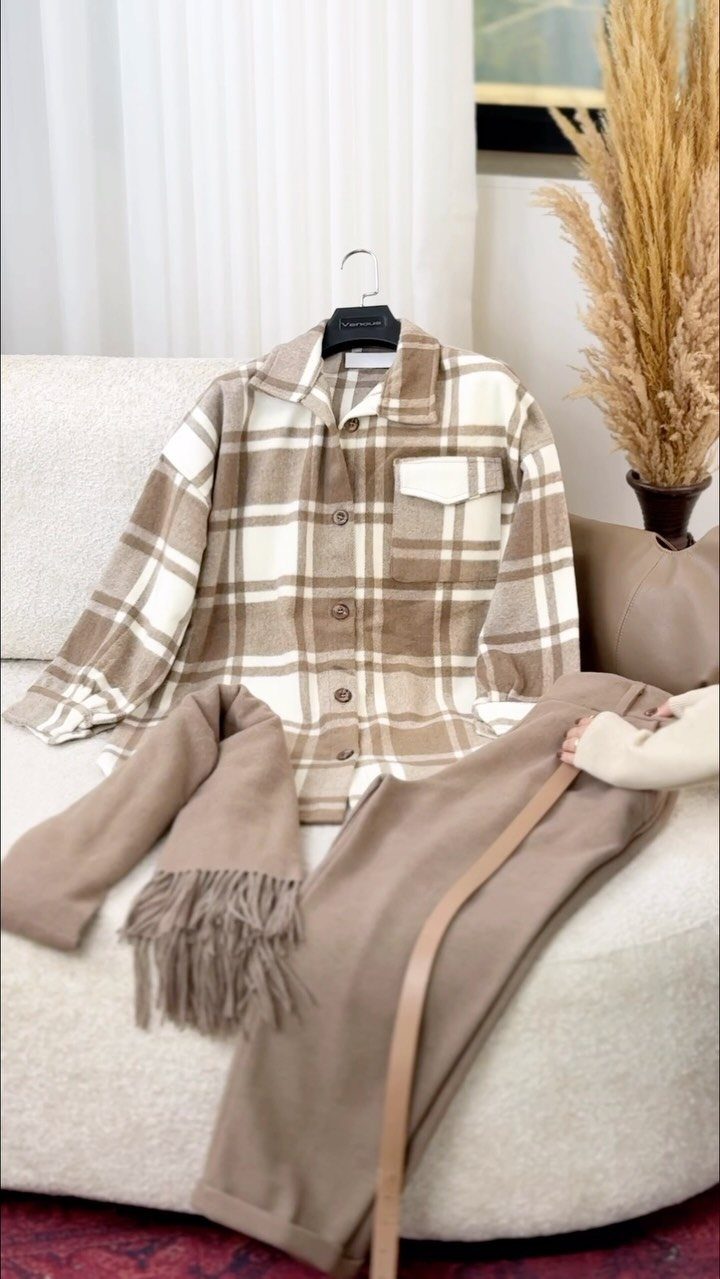
A plaid shacket in cream and brown gives you jacket warmth with shirt flexibility for those mid-October days that start chilly and end up warm enough to shed a layer.
I layer mine over a thin turtleneck or a white tee depending on the morning forecast; the button front lets you vent heat without stripping down entirely.
The fabric should feel more substantial than flannel but not as stiff as canvas, since you will be rolling the sleeves by noon.
Jeans and ankle boots complete the look without thought, which is exactly what you want on a Saturday when the coffee has not kicked in yet.
13. Neutral Closet Capsule Collection
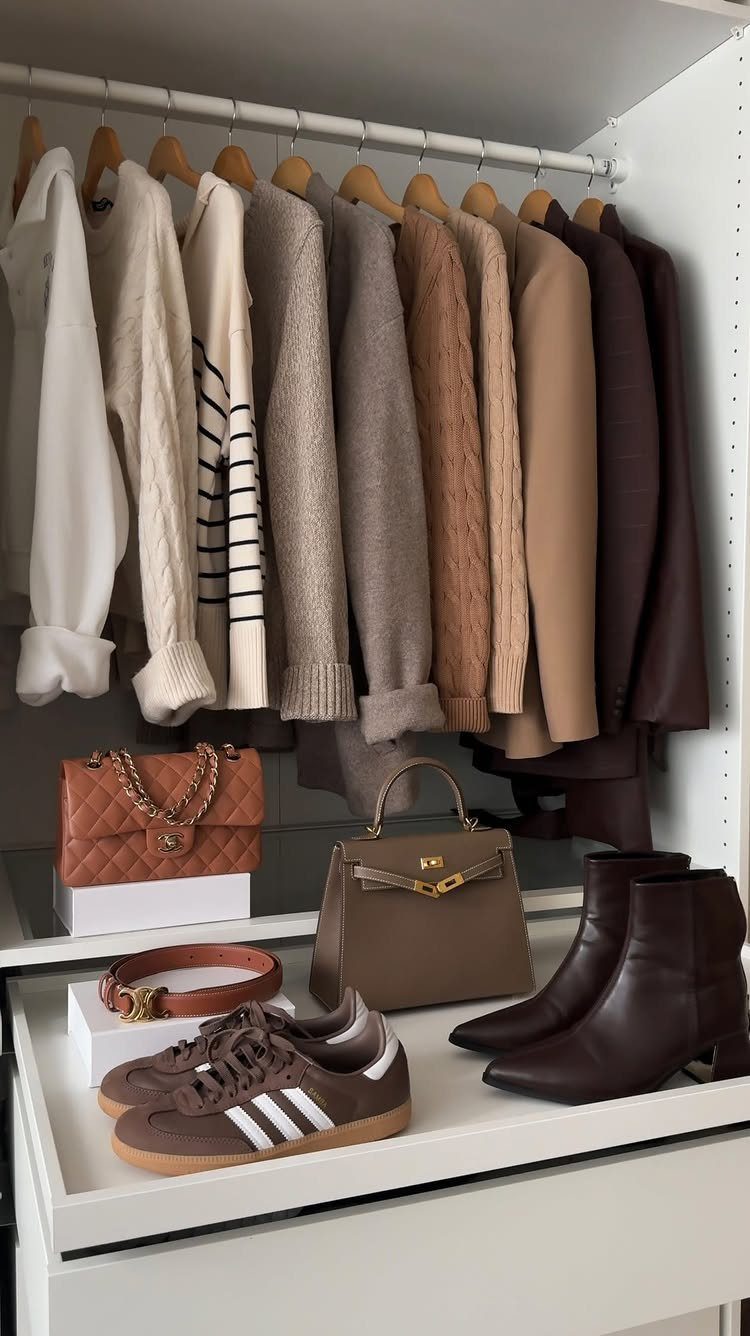
Cream, beige, and gray knits keep autumn interesting without a single bright color.
A small cluster of well-chosen neutrals beats a crowded closet; the extras only create decision fatigue. The turtlenecks and lightweight blazers here swap in and out without clashing, so a Tuesday morning becomes one grab instead of three tries.
Add one belt and one pair of boots in brown leather to break up the monochrome, and the whole thing stops reading as beige surrender.
Quality over quantity means each sweater earns its hanger: machine-washable, layerable, and thick enough to stand alone.
14. Belted Utility Jacket
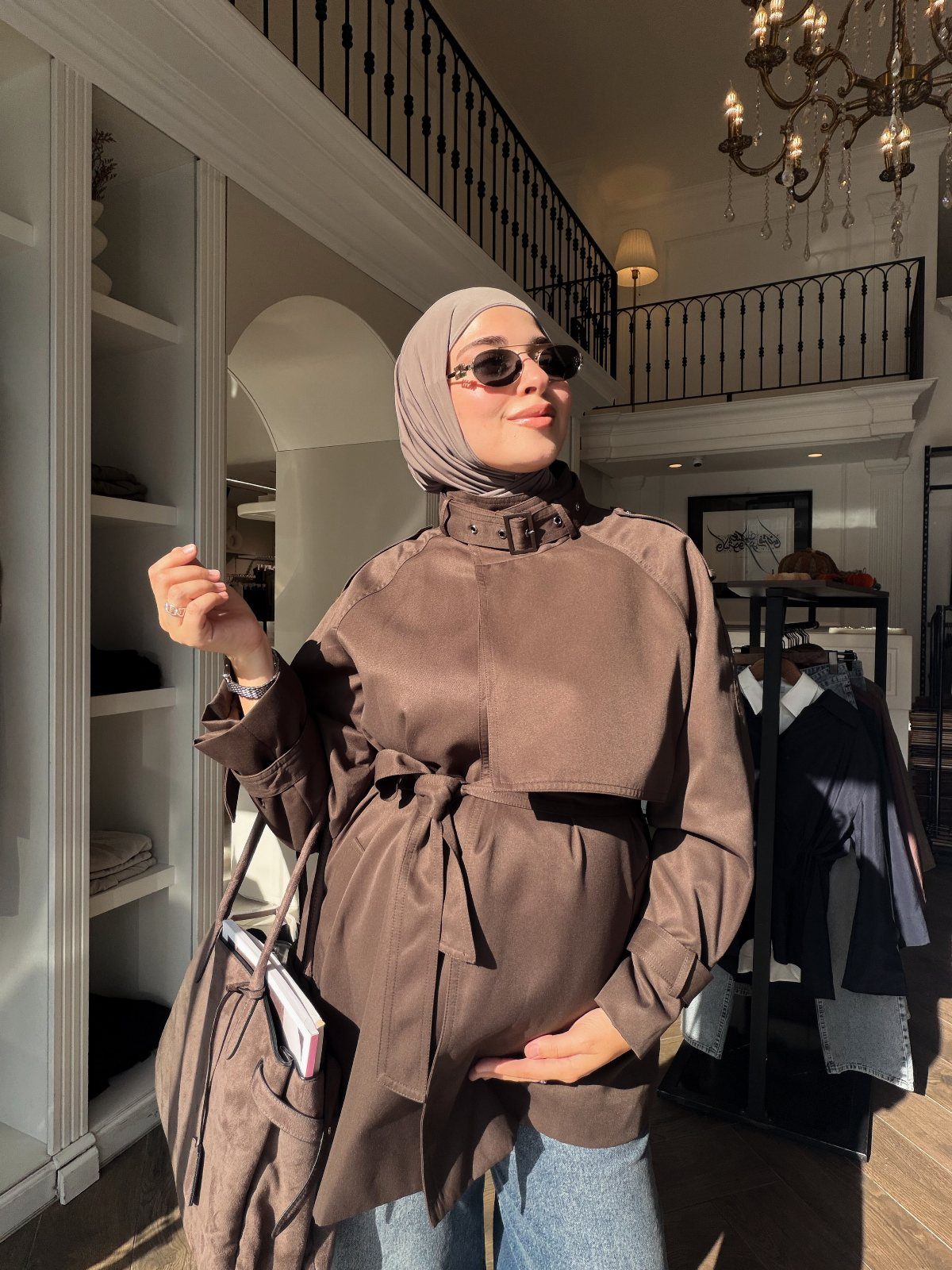
The belted utility jacket borrows from workwear but cinches at the waist so the shape stays defined rather than boxy.
I would check that the belt sits at your natural waist, not lower; otherwise the torso reads short and the legs disappear.
A brown utility jacket pairs with denim and cream knits already in most closets, and the matching tote is a choice, not a requirement.
A jacket this structured needs room for a thin layer underneath; size up if you plan to wear it over a chunky sweater.
15. Tailored Suit and Tie
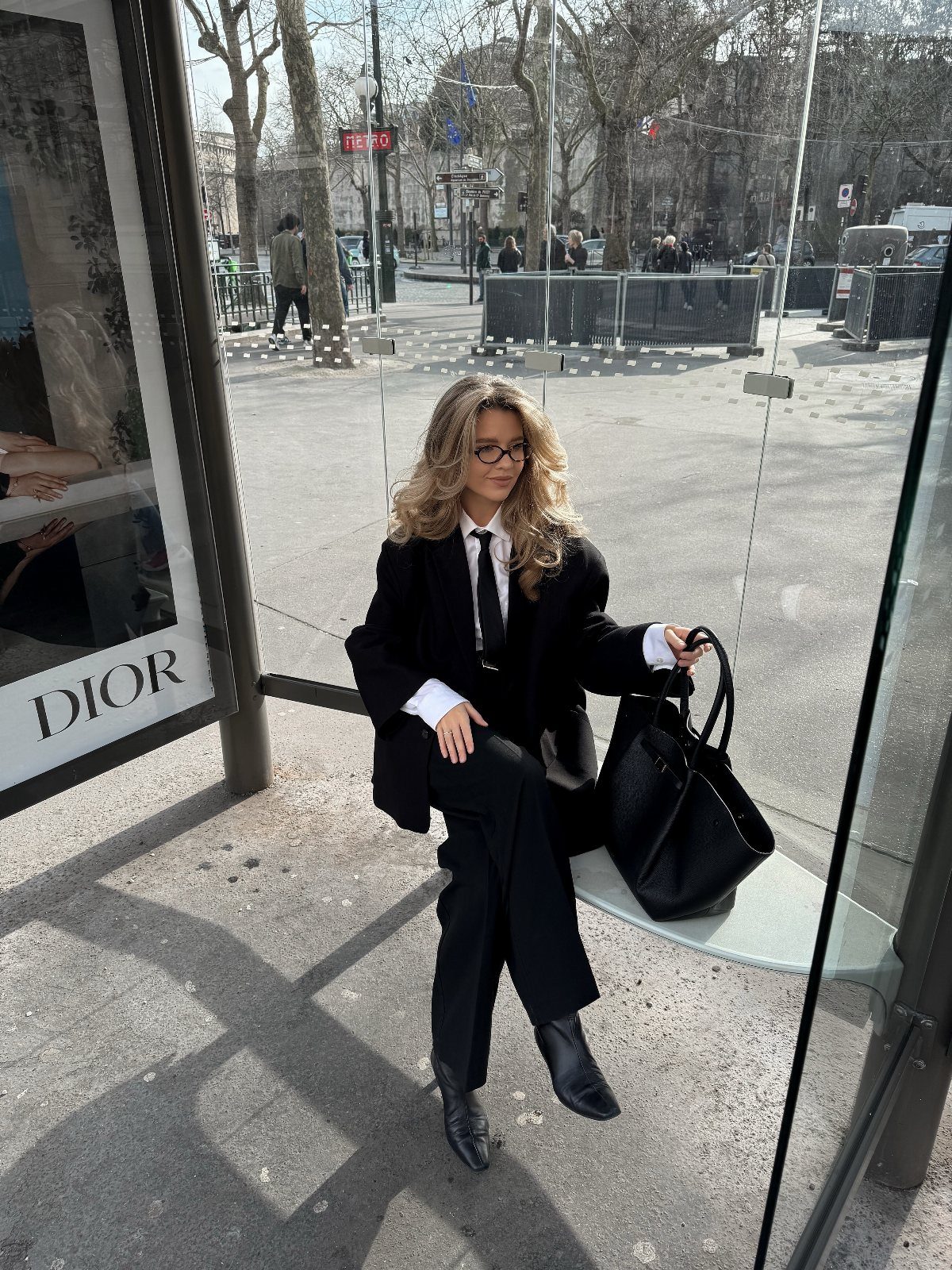
A black suit with a necktie reads borrowed-from-the-boys in the best way, but the fit has to be precise or it turns costume.
The shoulders should sit clean, the trousers break just above the boot, and the tie width should match the lapel; skinny with wide looks accidental.
A tailored suit and tie needs something personal, like glasses or a favorite bag, to avoid rental-formal territory. A white shirt is non-negotiable here; anything else muddies the contrast that makes this work.
Importance of Quality
The fabric tells you whether a piece will survive 3 autumns or barely make it to Thanksgiving. I hold knits up to light to check the ply: two-ply cashmere or merino resists pilling where single-ply fuzzes into uselessness by January.
For woven outerwear, the lining floats free inside the shell on better pieces; fused linings separate after dry cleaning and bubble along the hem.
I wash wool at home on the cold delicate cycle with a no-rinse product, which skips the dry-cleaning bill that otherwise multiplies across a small wardrobe.
That math matters: a cardigan you wash yourself costs less per wear than one that pills and gets donated.
Quality also means seams that finish properly inside where nobody looks.
Turn the garment inside out before you buy. Open seams or overlocked raw edges fray faster than bound or enclosed seams, and in a capsule you will wear each item hundreds of times.
Outfit Planning
Before autumn arrives, I lay every piece on the bed and photograph 20 combinations I would actually wear.
A camera reveals what a mirror hides: a proportion that feels off, a color that suddenly clashes under daylight, a neckline fight between vest and shirt collar that the closet itself never shows.
I sort those 20 into three folders on my phone: work, weekend, and the in-between errands that blur both categories.
If one folder stays empty, the capsule has a gap; a second blazer or a different shoe usually fills it. I count outfits by the places I actually go, not by some target number.
I also time myself. Any combination that needs more than 90 seconds of thought before coffee gets flagged as broken and either fixed or cut.
Accessories save some of these: the same striped top and trousers become work with a blazer and loafers, weekend with a shacket and boots, because the swap lives on a hook by the door.
Frequently Asked Questions
What is a capsule wardrobe?
A capsule wardrobe is a small, intentional collection of pieces that all work together so getting dressed takes less thought.
You end up with fewer pieces in total but more real outfits you actually want to wear, and you stop wasting those early minutes staring into the closet.
What is the 3-3-3 rule capsule wardrobe?
The 3-3-3 rule is a nine-piece challenge: three tops, three bottoms, and three pairs of shoes, meant to show you how many looks you can squeeze out of a tight set before you commit to a full capsule.
I would not force a full autumn weather system into that formula; my autumn capsule needs layers for 3 temperature bands, not a single day’s worth. Use 3-3-3 to experiment, then expand the categories to match your real mornings.
What will be in fashion for autumn 2026?
Autumn 2026 favors shaped tailoring, deliberate layering, cleaner poplin, and expressive texture over trend-driven pieces.
I translate that through fit and fabric: a boxy camel blazer with a drop shoulder, lug-sole ankle boots that handle wet leaves, and silk-satin midi skirts weighted for cooler months.
The direction is useful, but I rebuild around what I already wear, not a runway list.
What makes a woman look wealthy?
The fabric and finishing tell the story before the cut does.
I hold knits to light to check for two-ply construction, turn garments inside out to find bound seams rather than raw overlocked edges, and look for linings that float free from the shell instead of fused layers that bubble after cleaning.
These details survive hundreds of wears; cheap construction announces itself by November.